

The Biggest Problems With Wind Farms Could Actually Be Their Greatest Strength
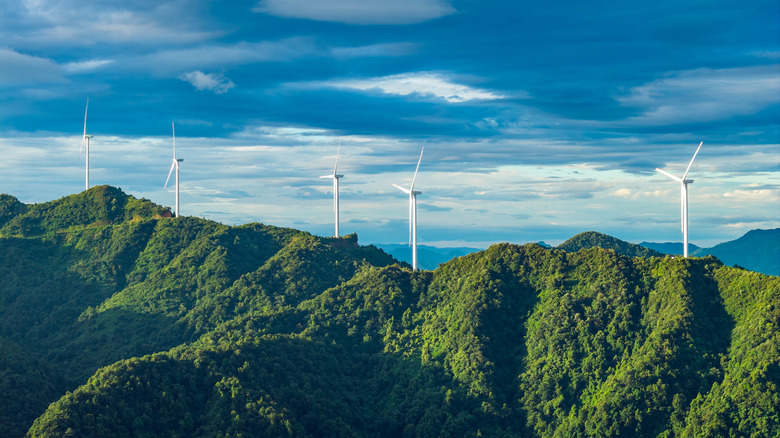
Though they are an important source of clean electricity, wind farms have some disadvantages, with lack of consistency and extreme weather events being prominent on the list. Another major criticism is that turbines rely on local weather and wind patterns to produce power, but that downside may actually be an incredible benefit that helps improve wind energy infrastructure overall.
In an article published in the journal Nature Energy, Julie K. Lundquist of Johns Hopkins University called unpredictable winds, extreme weather, and turbine wake effects – which refers to the change in wind flow after coming into contact with a turbine — opportunities to learn more about the atmosphere. As she put it, "bridging some key scientific knowledge gaps can accelerate progress toward a more reliable and resilient wind energy future."
Given that wind energy is the most popular renewable energy source in the United States and accounts for around 11% of worldwide energy usage, learning how the technology impacts and is impacted by nature is crucial for building more resilient wind farms and developing more efficient practices. Gathering data on things like wind patterns and how different weather conditions impact energy production can help researchers better understand the lower atmosphere, turning a problem into a potential solution.
New innovations are improving wind energy
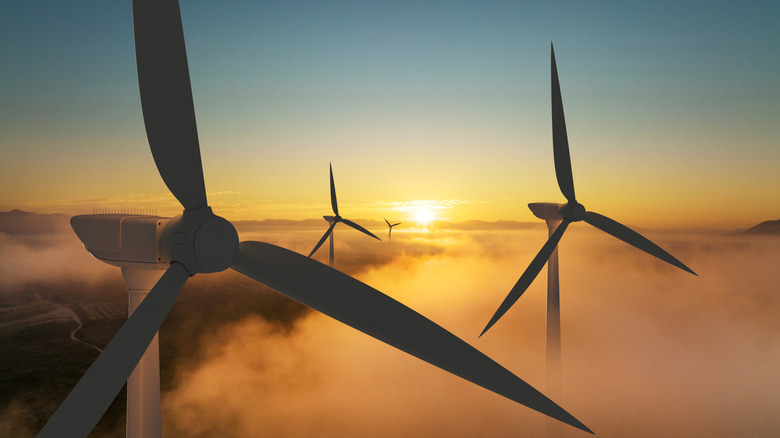
As more and more wind farms are built, it is becoming more important to study turbine wake effects. By design, wind turbines disrupt the surrounding air, and at least one study has determined that wakes affect downwind vegetation in good and bad ways. They can also reduce power generation by 10–40%. These are both examples of why wind farms need to be thoughtfully designed and placed in areas that minimize any negative impacts on the environment or their own capabilities.
Instead of being harmed by the wake effect, further research could make it possible to leverage it by optimizing things like how turbines are spread and positioned. Some wind farms might even be able to help wind flow to places where demand is higher and supply is lower, something that would help the U.K. save over 1 billion pounds in constraint payments.
Even if researchers and others can reframe the downsides of wind energy as strengths, it'll take some time for that data to turn into solutions. Fortunately, wind energy innovation is currently alive and well across the world. There are the eye-popping, futuristic prototypes like China's flying wind turbine, but other inventions like bladeless wind turbines that generate electricity by swaying seem far easier to implement on a wider scale to help us move towards a more sustainable energy grid.