

Pixel 9 And 10 Owners: Replace The Battery Or Buy The Pixel 11?
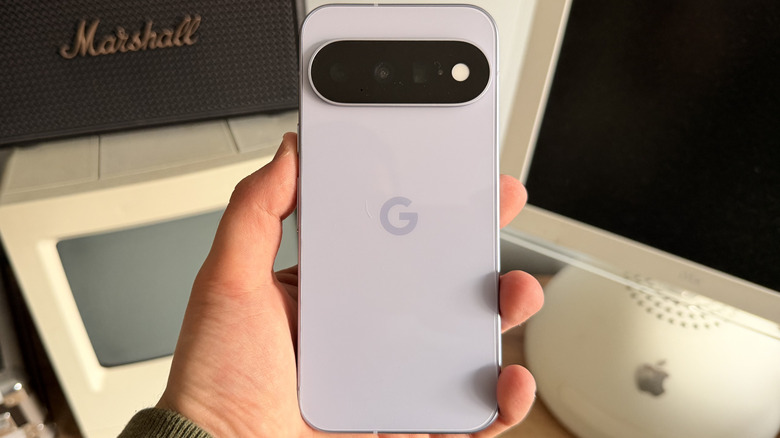
Google unveiled the Pixel 11 series in mid-August 2026, but the new phones have been met with a somewhat lackluster response from early reviewers, especially the base Pixel 11 model. Plenty of good Pixel 11 alternatives exist in the rich Android ecosystem, but consumers who are loyal to Google phones may not want a Galaxy or Moto phone. These buyers have a different option to upgrading this year, particularly if they own a Pixel 9 or Pixel 10 model: They can wait for the Pixel 12 (or later), and keep using their current devices. They may want to consider a battery replacement, but only if the battery health has dropped below 80%.
Using a 2024 or 2025 Pixel phone instead of buying the newest model makes even more sense in the current landscape. Smartphone vendors have been forced to increase prices in response to the AI-related mobile RAM crisis. Google is no different, with the cheapest Pixel 11 starting at $899, $100 more than the Pixel 9 and Pixel 10. While the handset comes with 256 GB of storage instead of 128 GB, it doesn't offer that many appealing upgrades, and the Tensor G6's performance is one example. Google's newest processor is well behind competitors when it comes to raw performance. The chip isn't a match for the A20 Pro chip powering the iPhone 18 Pro handsets in benchmarks, and it can't even compete against the iPhone 17's A19. Similarly, as Tom's Guide has shown, the Tensor G6 can't outperform Qualcomm's Snapdragon 8 Elite Gen 5 that powers the Galaxy S26.
Replacing an old Pixel battery would be significantly cheaper than buying the new phone, but a replacement may not be necessary. Many Pixel 9 and Pixel 10 users may still have batteries that are in good health.
Pixel 11 vs. Pixel 10 vs. Pixel 9: What are the upgrades?
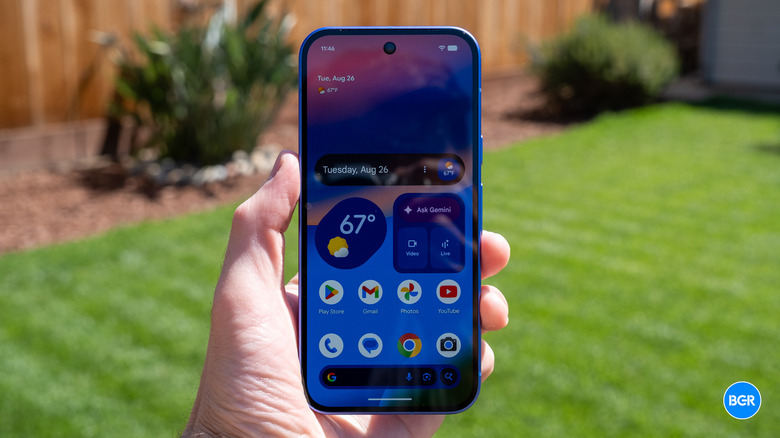
The Pixel 11 is almost identical to its predecessors in some ways, especially if you only look at hardware specifications. It has the same 6.3-inch display (2,424-by-1,080 resolution and 60-120 Hz refresh rate). It's slightly brighter than the Pixel 9, but brightness matches the Pixel 10's screen (up to 3,000 nits). The new phone has similar measurements (6 by 2.8 by 0.3 inches). It comes with 12 GB of RAM like the previous phones but supports up to 512 GB of storage. The camera hardware is similar to the Pixel 10, featuring 48-megapixel wide, 13-megapixel ultrawide, and 10.8-megapixel telephoto shooters. The Pixel 9 has only two cameras on the back: 50-megapixel wide and 48-megapixel ultrawide. All three phones feature 10.5-megapixel selfie cameras.
The battery size is almost identical to the Pixel 10 (4,985 mAh vs. 4,970 mAh), and slightly larger than the Pixel 9's 4,700 mAh battery. Of the three phones, only the Pixel 9 doesn't support Pixelsnap (magnetic) wireless charging. The Pixel 11 also offers faster Pixelsnap charging than the Pixel 10 (25 W versus 15 W). Wired charging is similar for the three phones (30 W versus 30 W versus 27 W). Google's battery life estimate for the Pixel 11 is 30 hours, while the older phones can last for about 24 hours on a single charge.
All three handsets are rated IP68 for water and dust resistance. They feature Gorilla Glass Victus 2 screens, in-display fingerprint sensors, and USB-C ports. The Pixel 9 supports Wi-Fi 7, Bluetooth 5.3, and has a slot for physical SIM cards. The newer handsets come with Wi-Fi 6E, Bluetooth 6.0, and dual eSIM support. Finally, all three handsets will offer seven years of updates, including major Android releases and security patches.
How long do Pixel batteries last?
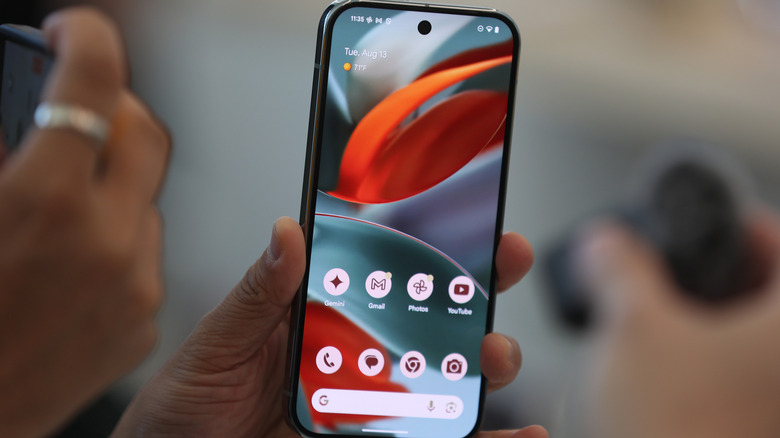
Since each Pixel generation launches with exclusive, new software features, the Pixel 11 has an advantage over its predecessors in this department. It comes with Gemini Intelligence, Rambler, and Magic Capture. There's no telling when or if these features will be available on older Pixel models. But given the major hardware similarities between the three handsets, Pixel 9 and Pixel 10 owners may be better off sticking with their current devices. There is one scenario where an upgrade would make sense: when the price of buying the new handset is lower than changing the battery of the old phone after taking into account any Pixel 11 discounts and trade-in offers. Between Pixel 9 and Pixel 10 owners, it's the former who would get more from an upgrade, particularly if the costs remain low.
A genuine Pixel 9 battery kit costs $59.99 from iFixit, while the Pixel 10 battery kit is even cheaper at $49.99. Taking the phone to an authorized repair shop for battery replacement may be a better idea, but a professional installation will add labor costs. However, it's likely that many Pixel 9 and Pixel 10 phones will not need battery replacements soon.
All three phones contain batteries that are rated for 1,000 charge cycles before battery health drops below 80%. Only when that happens will a battery replacement be advised. The phone will show a warning in the Settings app under Battery Health, advising the owner that a replacement is needed. Assuming most owners go through a full charge cycle per day, the Pixel 9 would be at over 750 cycles since its August 2024 launch. The Pixel 10 would be at around 400 cycles since August 2025.