

At Long Last, Apple's Much Awaited HomeView Is Finally Revealed
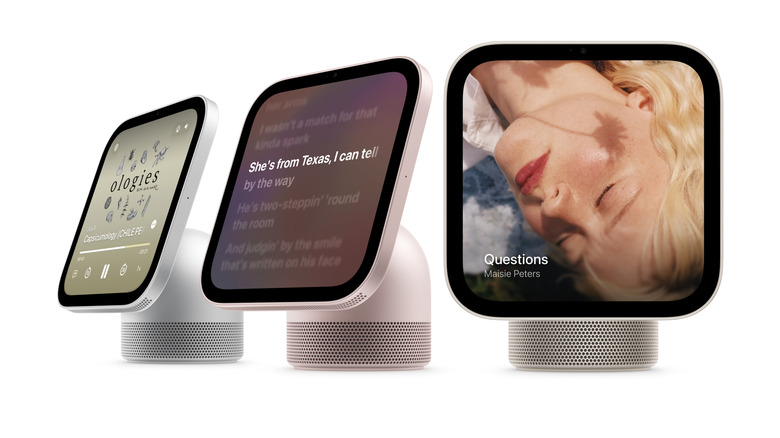
After years of rumors, Apple finally announced its screen-based smart home speaker — dubbed the HomeView — on October 13, 2026. It looks fairly similar to the latest Amazon Echo Show, but Apple's device is a 7-inch square touchscreen on top of a speaker base. But the HomeView is built to run a home built around Apple's HomeKit through Sxiri AI. It also looks elegantly Apple in a way the Echo Show doesn't.
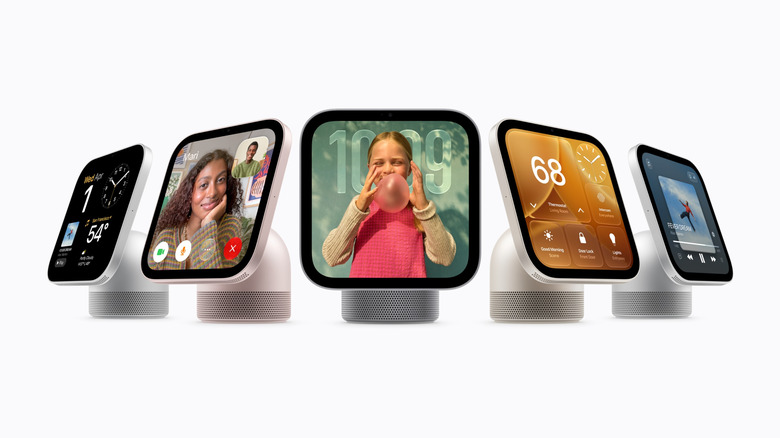
The HomeView runs on an A18 processor — borrowed from the iPhone 16 — and can control lights, locks, cameras, thermostats, timers, and calls, with voice as the main way in and touch kept as a backup. Two versions are available. You can opt for the countertop model, which sits on a rounded metal speaker base and comes in space gray, silver, starlight, and rose pink. Or, there's the wall-mounted model, which drops the base entirely, though the mount is sold separately.
The HomeView ships on November 13 alongside the new Apple TV 4K, which was announced at the same time. The new HomePod mini 2 arrives slightly earlier on October 30. Apple opted to skip a filmed keynote and ran a series of launch videos on YouTube alongside a press experience in New York instead.
HomeView any way you like
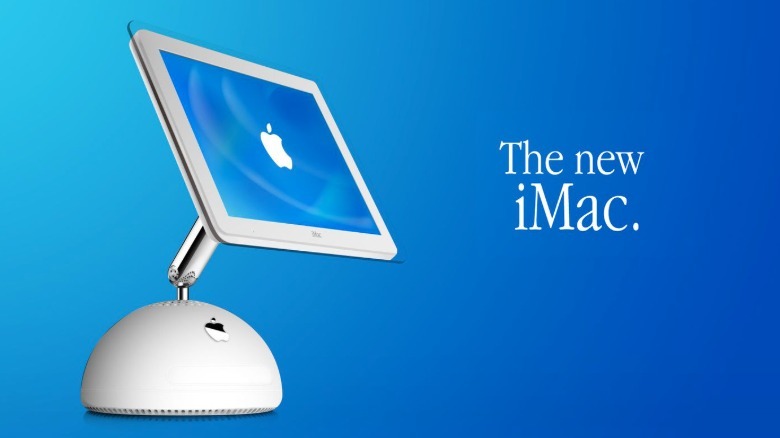
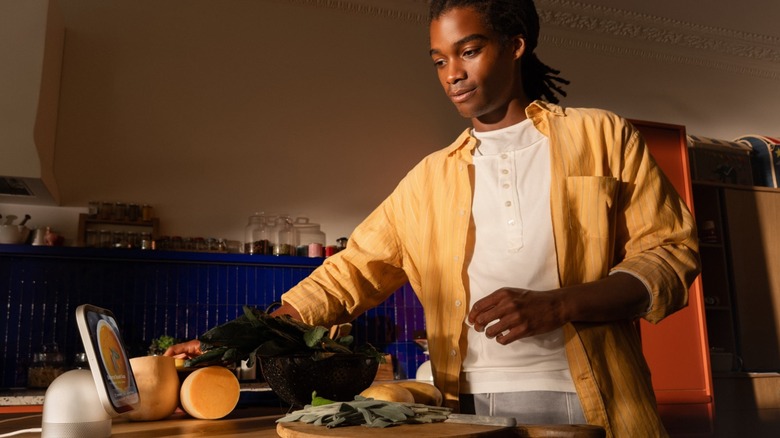
Remember the iMac G4 from the early 2000s? The countertop HomeView looks an awful lot like it — it's the same shape, just smaller. The device is a thin 7-inch square display held up by a single stainless steel hinge that rises out of the rounded base, which houses the speaker. It looks somewhat like an enlarged Apple Watch rather than an iPad. The bezels are narrow, the corners are rounded, and a camera sits at the top of the panel.
 Apple
Apple
There is no battery inside, since the HomeView is built to be plugged in and left alone, either on a counter or fixed to a wall, which is where the second model comes in. The wall-mounted version drops the base and extra speakers and is sold in space gray and silver, while the countertop version adds starlight and rose pink. Brightness tops out at 500 nits and drops to 0.3 nits, which is the dimmest display Apple has shipped on anything. You'll appreciate it when looking at the display in the dark.
A built-in camera handles FaceTime calls and can also recognize who's approaching it to tailor the content on the screen. Walking up to the HomeView switches the display to your own calendar, messages, photos, and widgets. It can also pick you out by voice or by the iPhone in your pocket. Walk away, and the next person gets a lock screen. You'll also need to periodically unlock your iPhone or iPad to keep using it
A down-firing subwoofer and two passive radiators sit in the base alongside two full-range drivers in behind the display. BGR's reviewer praised the 2023 HomePod's audio quality but noted the 2022 HomePod mini didn't sound quite as good as competitors.
Siri AI replaces the touchscreen
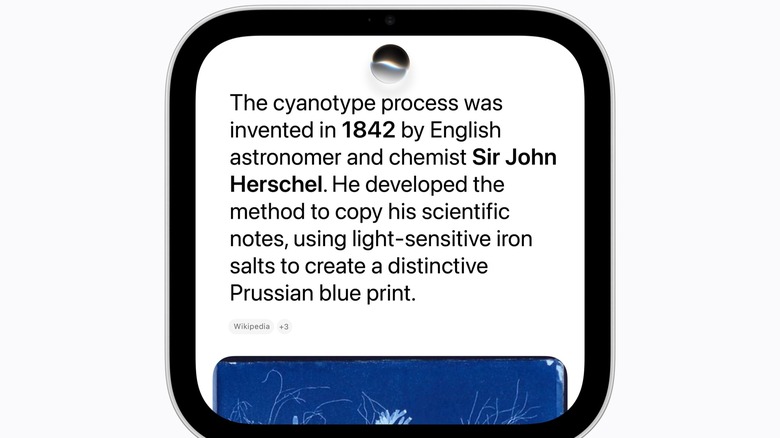
The HomeView supports a limited selection of apps (such as Calendar, Weather, and calling apps) but has no App Store. It works more like CarPlay, where you can access only some apps. The touchscreen is only there for the moments when talking is awkward. In fact, Apple analyst Mark Gurman speculates that's why Apple chose the name HomeView instead of HomePad. Apple imagines you'll use the HomeView most to run scenes you've set up, set timers, check the smart doorbell or other security cameras, send an intercom message to another room, or pull up a recipe in a reformatted Safari page while your hands are covered in flour.
Siri AI arrived in iOS 27 and replaced the rigid command-and-phrase model that made the original HomePod so irritating to live with for many. Just like on your iPhone, you can now ask Siri for something in everyday language, change your mind halfway through a sentence, and refer back to what you said earlier, and the assistant should understand the lot. It also draws from your personal context across messages, emails, contacts, and more, so it should understand you better. Most of this happens on device to keep things fast, which is thanks to the A18 chip.
Amazon has sold the Echo Show since 2017, and Google has sold smart displays since 2018. Apple is walking into a category its rivals are deeply familiar with. Plenty of people already use a Nest Hub as a kitchen screen, but Apple reckons it offers the better assistant. The HomeView works with Matter and Thread and will pair with most devices — even those with no HomeKit logo on the box. Anyone moving across from another ecosystem can keep most of their existing hardware.
The HomePod mini 2 and the LG accessories
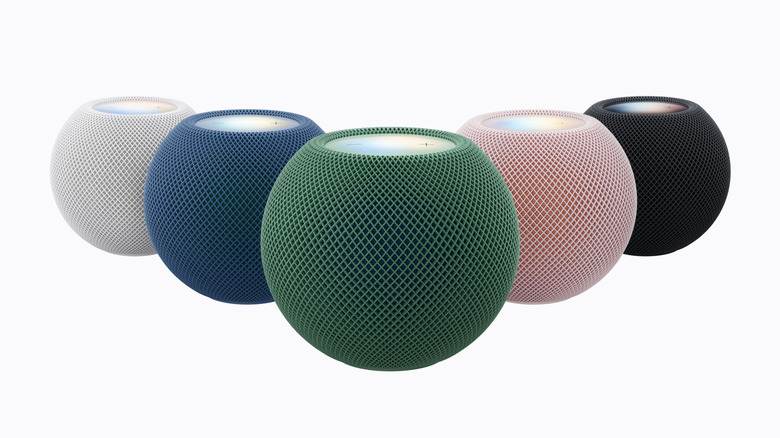
Alongside the HomeView, Apple has also released a refreshed HomePod mini. The HomePod mini 2 comes in the same shape and size as the 2020 original. It is now available in green, pink, blue, white, and black. The changes are almost all about audio. Soundglow turns the light panel into a color match for whatever album is playing, or into a rain or ocean-wave pattern when a soundscape is running. A pair can serve as Mac speakers over AirPlay, or four can run as surround speakers with the new Apple TV 4K.
The old HomePod mini could not run Siri AI, but the new one will. Just not yet. It won't ship with the HomePod mini 2, so users are stuck with the old Siri which many users found to be unreliable. Apple's N1 wireless chip brings Wi-Fi 7 and Bluetooth 6 to the smart speaker, while a new ultra-wideband chip makes handing audio over from an iPhone less fiddly.
Interestingly, Apple also shined a spotlight on several smart home devices that it has co-created with LG and Schneider Electric. The Apple Home Collection offers indoor and outdoor cameras, a video doorbell, a door lock, and smart thermostats. Apple has run similar arrangements with Belkin and Logitech before.
All of these devices support Wi-Fi, Bluetooth, Thread, and Matter, and the deadbolt adds ultra-wideband so it can detect how close your iPhone is. They an always pair with your iPhone using a setup card similar to the one you see when you set up AirPods. The cameras, doorbell, and lock position Apple opposite Ring and Nest for the first time — Amazon and Google's ecosystems, respectively — at the premium end of a market, like these luxury smart home devices worth the extra money.
Price and availability
The HomeView is available to pre-order from today (October 13) for $299, but won't start shipping until November 13. The HomePods mini 2 is also available to pre-order from today, but will arrive slightly sooner on 30 October. The new Apple Home Collection accessories will arrive later this year at the earliest, but no exact date has been given yet. They will range in price from $199 to $349.
Announcing hardware weeks or months ahead of shipping is frustrating, but it has unfortunately become normal for Apple this year. The iPhone Duo was unveiled on September 9 and does not go on sale until October 23. So a month gap between the HomeView announcement and its delivery fits the pattern of the rest of the fall. If you are trying to fill gaps in your smart home before the cold sets in rather than waiting until November, our list of smart home devices worth installing before winter covers what is available now.
Pricing across Apple's home line has already increased in 2026. The company raised the prices for the Apple TV 4K and HomePod in June as memory chip costs climbed. Amazon and Google sell smart displays for well under $200, so at $299, the HomeView is firmly positioned at the premium end of the market.