

What's The Average Lifespan Of A Smart Speaker? Here's What Owners Say
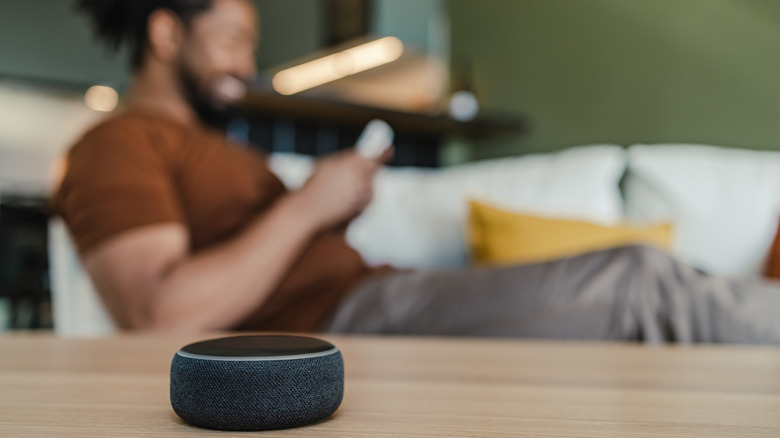
Manufacturers like Amazon tend to release new versions of their smart speakers roughly every two years. That doesn't mean your Echo Spot, Google Home, or HomePod will suddenly stop working, but since these devices can cost over $100, longevity is a natural concern.
So how long can you expect your new smart speaker to keep working? It's hard to say, since brands don't often provide estimated lifespans for speakers, and anecdotal reports vary due to factors like how often the device is used, which version it is, and its environment. However, Google provides security updates for five years after its US release, and some online reviews claim an Amazon Alexa can last a decade if properly cared for (though social media reports suggest around five years is the average).
Every electronic device will eventually stop working, and smart speakers are no exception. Your device may stop being supported because of its age, technological advances that make it obsolete, or the voice assistant service being shut down. Losing support doesn't automatically mean your device will stop working, but you should consider the security risks of continued use, since newly discovered vulnerabilities won't be patched.
How to extend the lifespan of your smart speaker
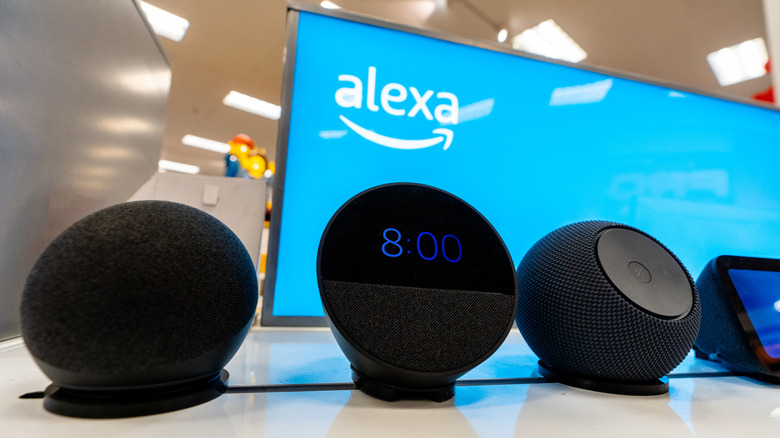
You can extend your smart speaker's life by keeping it dry and clean. Place it somewhere it's unlikely to be knocked over or exposed to liquid, ideally where the temperature and humidity stay fairly stable. Install updates as they become available, too, since they can improve reliability, patch security flaws, or add new features.
Sometimes, despite your best efforts, devices will start letting you know that they're on their way out. For smart speakers specifically, this may show up as less-reliable internet connections, loss of AUX port functionality, or a voice assistant that responds less and less often. You may be able to repair the speaker instead of replacing it, though that depends on your location. Amazon, for instance, offers out-of-warranty Echo repairs in 28 European countries but not the US.
Unexpectedly replacing electronics is never fun, and it can be even more frustrating if you've bought into the manufacturer's wider smart home ecosystem. That said, there's usually a silver lining. Why not take this chance to ditch your current speaker and see what else is out there? After all, these devices have been on the market for over a decade, and a lot has changed. For instance, newer models may offer more powerful speakers or quicker response times than legacy hardware. You have plenty of options, and in some cases, upgrading may even be cheaper than repairing your existing device.