

5 Reasons Why People Ditch Their Google Home Speakers
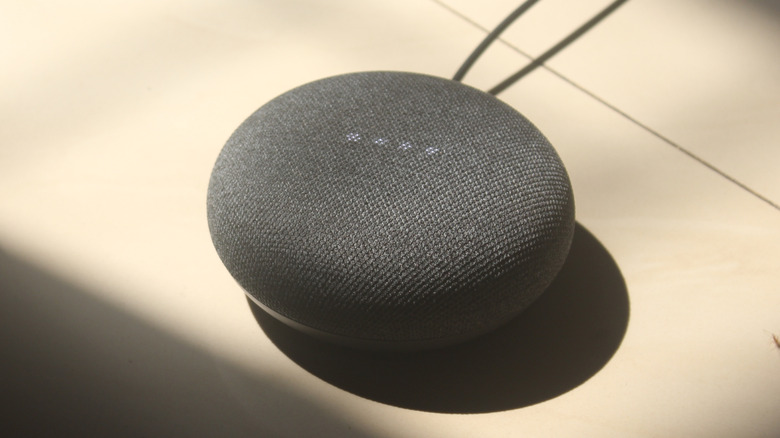
Smart assistant speakers are meant to make our daily lives a bit easier by controlling smart homes through the majesty of voice. But constant glitches can drive many of us to use them as smart frisbees instead. You have almost certainly seen the marketing, with Gemini-powered hardware and a redesigned Google Home app promising a seamless future for you to manage your home with simple commands. Instead, some users are shouting at Google speakers trying to use the now deprecated broadcast feature .
While competitors seem to bring out new speakers and technology every five minutes, Google Home devices are stagnant, with no new speaker releases for years. Early adopters buying into the Google Home ecosystem might have trusted its development, and there are plenty of gadgets from the brand worth buying in 2026. But the buggy Spring 2026 update, creeping monetization, and the optional Gemini upgrade that doesn't let users move back to Google Assistant aren't a good look, even though there are plenty of cool new Google Home features to balance it out.
The good news is we might be finally getting a new Google Home speaker by the end of June 2026 – but this claim is based on a single retail listing on Best Buy Canada, so take it with a handful of salt. Regardless, when a platform stops functioning reliably, it loses its place in the living room. From paywalled AI upgrades to superior audio alternatives, consumers have clear reasons to move away from the ecosystem. Some are even finding different ways to use their old Google Home speakers, breathing new life into the devices.
Google Gemini replaces basic assistant features with paywalls
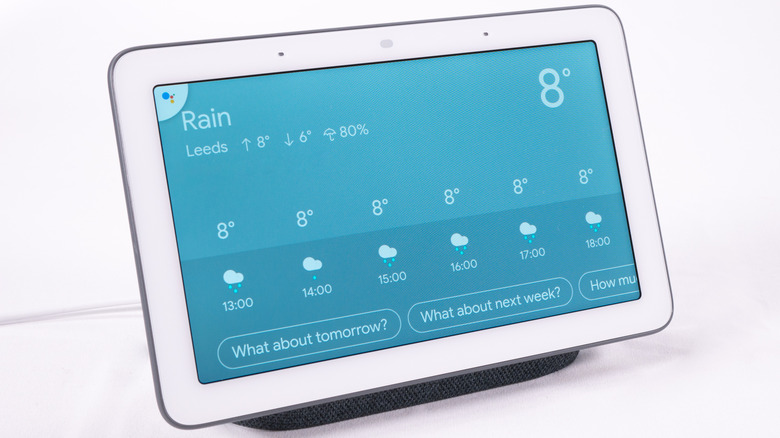
With Google currently overhauling its smart home offering, it's pivoting away from Google Assistant to push its new artificial intelligence (AI) assistant, Gemini. While an advanced AI model looks like an upgrade on paper, the transition has created issues when asking Gemini to carry out simple tasks like setting an alarm, as the AI assistant struggles to understand these tasks. Instead of the usual Google Assistant bundled in with the product they own, users must now pick a basic $10 monthly subscription to converse with Gemini and get 30-day video playback on cameras and doorbells.
Google now locks its most fluid conversational tools behind a monthly subscription model. To use features like Gemini Live, you must pay for a Google Home Premium plan. This move sweeps advanced voice tools, automated script generation, and detailed security camera video description into a paid tier. On the plus side, if you are already paying for a Google Drive or Google One subscription, little is going to change financially.
But considering there's not been any major hardware updates since the Nest Audio dropped in 2020, with older speakers not supporting the full feature suite of Gemini, it's not a great proposition. For owners of first-generation Google Nest Minis and Hubs, Gemini is having mixed compatibility results. Sometimes it works fine, sometimes it doesn't. If Google is rendering perfectly-working hardware useless with a new smart home business model without a solid upgrade plan or path to ease the burden, there's little incentive for users to stay within its suite.
Competitors offer much higher audio quality
Back when smart speakers first came on the scene, people forgave tinny audio for the novelty of voice recognition in their homes. Today, everyone expects major smart speakers to pull double duty as high-fidelity music speakers. Unfortunately, Google has spent years ignoring its smart speaker and home assistant offerings, which has left consumers with middle-of-the-road audio equipment.
The tech giant went at least six years without announcing and releasing a new Google Home speaker, which allowed competitors to take a bigger market share. It also decided to terminate third-party hardware partnerships with respected brands such as Lenovo and JBL, leaving a gap in the market the likes of which Amazon was happy to fill. We've already mentioned Best Buy listing a new round Google speaker priced at $139.99 CAD coming in June 2026, but many have already left the ecosystem.
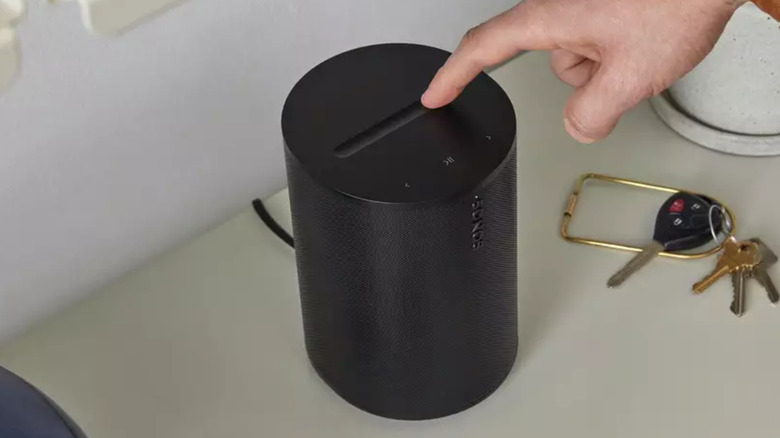
For those who care about punchy bass and clear treble, platforms like Alexa and Sonos offer vastly superior sound. Consumers are switching to brands that treat audio quality as a priority rather than an afterthought. To be blunt, buying hardware from an active music-focused brand simply makes more sense than waiting years for Google to refresh its smart home product line.
Depreciated frameworks turned speakers into e-waste
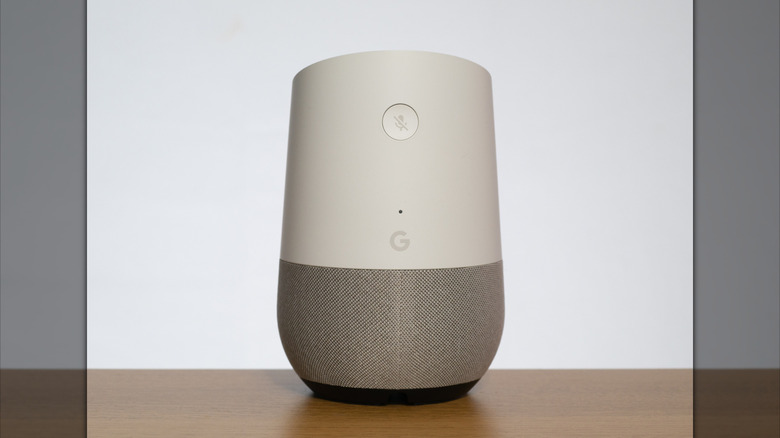
A smart device is only as good as the software it runs. Google was seen as throwing in the towel as early as 2023, when it chose to deprecate third-party developer integrations by sunsetting its Conversational Actions Framework. This single decision instantly broke hundreds of voice-enabled apps, interactive stories, and family games that used the Talk To function.
On Reddit community forums, users cite this software purge in 2023 as a primary reason for retirement. Popular smart home integrations, such as MyQ to operate garage doors, for example, suddenly stopped working, stripping brand value overnight. For families who put Google Home at the center of their trivia nights or children's entertainment, the sudden loss of features took the usefulness out of Google Home hardware in general. It did push app developers to build voice functionality natively into apps for the most part,
Google gave third-party companies twelve months to adjust, but it still left some users in the dark when the deadline hit. Lobotomizing Google Home's third-party functionality, albeit temporarily while app developers caught up, signaled the shift of the company's priorities for some.
Cross-device bugs
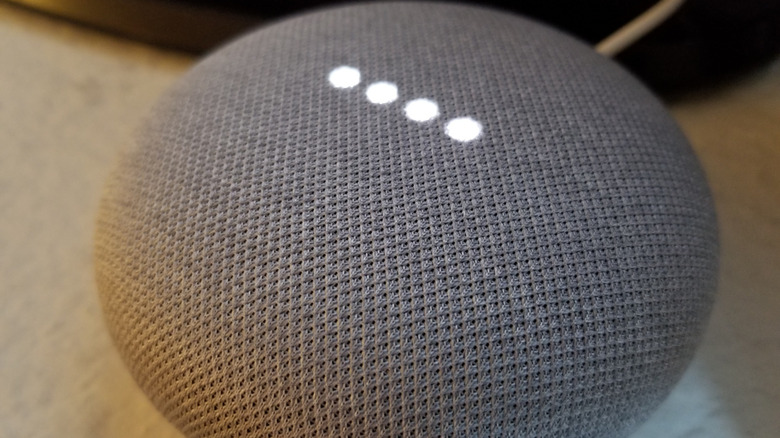
A functional smart home relies on flawless communication across a local network, but current Google devices can routinely suffer from operational lag and glitches. Instead of executing on the intended device, it might confirm on another speaker in a user's home. This gets especially annoying when trying to use the broadcast feature.
Reddit users seem to agree, facing issues where speakers straight up refuse to stop playing music when given a direct verbal command. Devices will tell users that nothing is playing while audio continues to stream through the smart speaker. Other common issues include voice commands misrouting completely, such as a command to turn off the TV being interpreted as a request to change the thermostat. Sometimes Google Home and Gemini register a user's request, then just ignore it and go dormant.
This lack of stability destroys the convenience that smart technology is supposed to provide over regular analog tech. But some people are just putting up with it. Android Authority ran a poll on the Google network of smart devices, and about 17% of users admitted that they simply tolerate constant bugs, with a massive 65% sticking with it just because they've invested in the ecosystem. For the rest, constant resetting of Google Home equipment has forced them to abandon the platform entirely.
Users want their privacy back
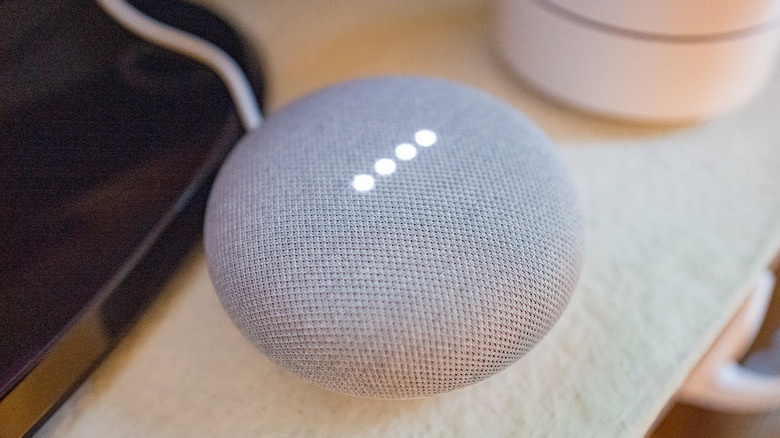
For some users, it has nothing to do with the outdated hardware or annoying bugs; they just want their privacy back. Living with microphones and cameras that constantly tether a household to remote cloud servers can feel incredibly intrusive. But one fact remains true: If a smart device isn't operating properly, its users have less tolerance for its constant data collection.
With the shift towards Google Gemini being forced on existing users, their data is being fed into larger AI training models, which raises red flags for the privacy-conscious consumers. The Office of Innovative Technologies makes this very clear, showing what Gemini is capable of and how to opt out of Google Gemini collection being performed in their own homes and private lives. Consider the fact that smart speakers sometimes struggle to execute simple requests without pinging an external server, and it's a perfect storm for a privacy revolution.
This is actually a good thing for consumers, as voting with their wallets makes big companies like Google pay attention. Now there are open-source smart home solutions like Home Assistant, which prioritize local data processing over cloud tracking. Others choose to simplify their environments by removing smart audio hardware entirely. Regardless of which smart environment consumers choose, unplugging it gives consumers their privacy back.