

4 Cool New Features Your Fitbit Air Is Getting In October 2026
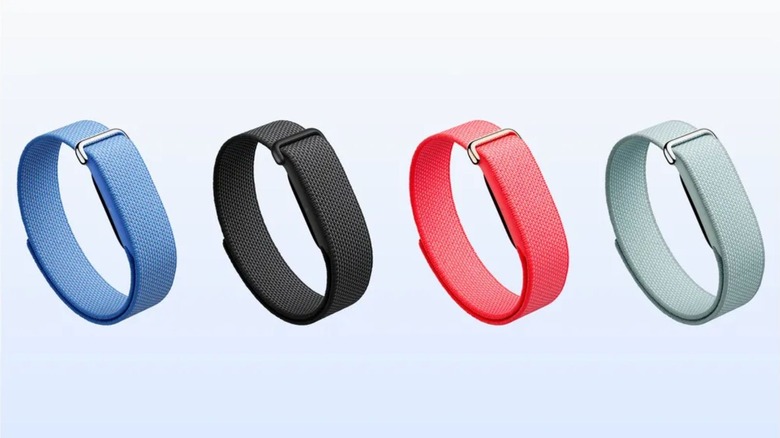
While the new Fitbit Edge is set to release in late October, the older Fitbit Air remains one of the best affordable fitness trackers you can buy today. It doesn't offer the same experience as a full smartwatch, but the Fitbit Air's comfortable build and versatile set of health and wellness tracking features make it a great alternative to Whoop and other screenless fitness bands.
While the Fitbit Air already comes with most features you'd want from a fitness tracker, Google recently announced several additions and improvements coming alongside the Fitbit Edge later in the month. These include the ability to passively track blood pressure trends, insulin resistance levels, and sleep breathing quality, which are all part of Google's new AI-based Health Guardian suite. Existing features like automatic workout detection are also being improved, and Google has also announced several partnerships with other health organizations to offer cross-platform compatibility with a variety of third-party services, devices, and apps. Some of these features are already rolling out, while users can expect others closer to the end of the month.
Blood pressure trends
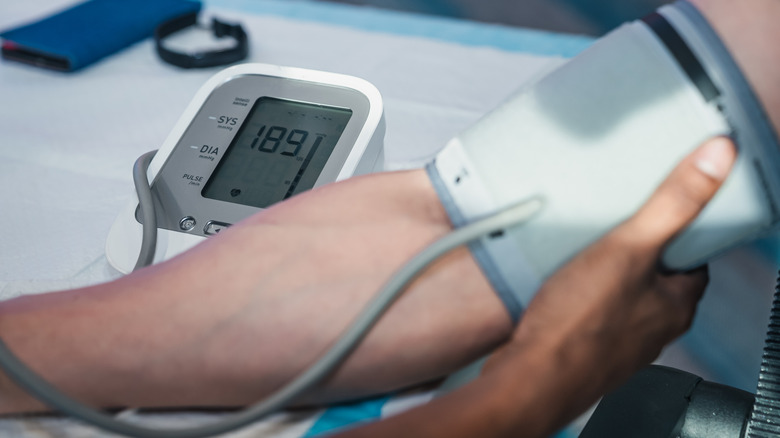
The American Heart Association labels hypertension (high blood pressure) as a 'silent killer' due to its lack of apparent symptoms until detected through screening. With nearly half of the adult population in the U.S. suffering from hypertension and being at risk of a heart attack or other health complications, monitoring blood pressure is extremely important — and Google is making it convenient for those with a Fitbit Air.
Google's new Health Guardian suite of features includes blood pressure trend tracking for users with a Google Health Premium subscription, which costs $9.99 monthly or $99.99 annually. This uses the watch's optical heart rate and motion sensors alongside Google's WavesFM AI model to passively measure your blood pressure trends throughout the day and warn you of any risks on the first of every month. Google states that this isn't meant to replace a dedicated blood pressure measuring device, but it provides a proactive way to notice changes without having to visit a doctor. It's also worth noting that neither the Fitbit Air nor Google Pixel watches support on-demand blood pressure readings.
Blood pressure monitoring is nothing new in the wearable space. The 2021 Huawei Watch D offered background blood pressure tracking and on-demand measurements using a mechanical pump built into the watch, and U.S. owners of select Samsung Galaxy watches, such as the Galaxy Watch 9 (with an external pump), and owners of Apple wearables like the Apple Watch Series 12 also got the feature earlier this year. Google Pixel watches and the Fitbit Air were a notable exception until now.
Insulin resistance trends
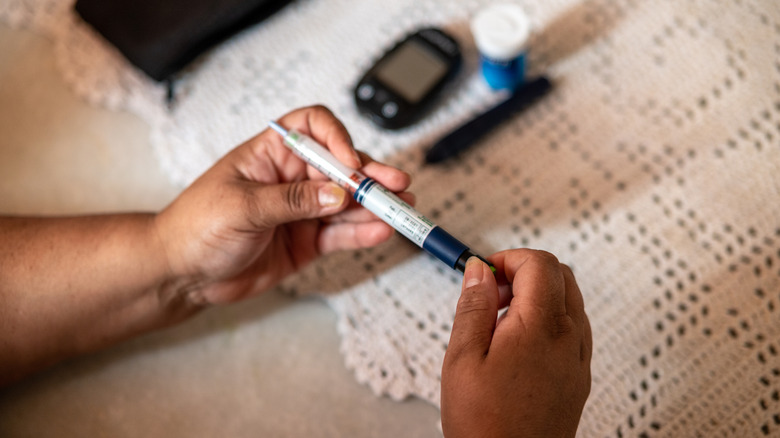
Another frequently undetected condition that can pose severe risks is insulin resistance or impaired insulin sensitivity. Insulin regulates blood sugar by aiding cells in the absorption of glucose to produce energy, and consistent resistance to it can lead to conditions like prediabetes and Type 2 diabetes, as well as other health complications.
Google is adding insulin resistance monitoring to the Fitbit Air with Health Guardian for users with Google Health Premium. This uses data gathered throughout the month from many of the sensors already in the Fitbit — optical heart rate, blood oxygen, skin temperature, and an accelerometer — and warns you of any detected trends that may present potential risks. Until now, only the Google Pixel Watch 5 had this feature, and now the Fitbit Air is also set to receive it. However, note that this feature only provides trend data and cannot provide on-demand insulin or blood glucose levels.
Improved automatic activity detection

Beyond the newly added health metrics coming with Health Guardian, Google has also greatly improved certain existing features. If you've ever forgotten to start tracking a workout on your Pixel Watch or Fitbit Air, you might've noticed that it often intelligently does so without any manual input. The feature responsible for this is automatic activity detection, which is getting a huge upgrade in October.
Google states that automatic activity detection is going to be twice as accurate. This is possible using an AI model that will analyze context, such as your daily habits, when and how you work out, and manually added data. The number of supported workouts has also been expanded: the feature could initially detect only 10 activities, a number that has now been increased to over 100. The updated list of workouts includes swimming, strength training, certain racket and team sports, and more.
Compatibility with other products, apps, and services

The Fitbit Air is a capable fitness band, but a standalone wrist-based tracker can only do so much by itself. You'll ultimately have to rely on other apps and equipment for specialized measurements, and managing different sources of data can be annoying. Fortunately, Google partners with several third-party health platforms and gives users the ability to sync and import data from a variety of apps and devices.
For instance, users with an Abbott Lingo continuous glucose monitor will soon be able to sync data with Google Health on select Google wearables, including the Fitbit Air. MyFitnessPal Premium users will now also be able to share food-specific logs with Google Health, and your Fitbit Air will get the ability to import lab results directly from Function Health later in the year. Starting early next year, users will also be able to sync Flo Health data with their Fitbit Air to receive more personalized advice from the Google Health Coach.