

5 Smart Home Upgrades You Can Make In One Weekend

Some people like the idea of setting up a smart home, but they worry about whether they can do the job themselves and if using these devices will actually save them any time. After all, if you're going to spend your weekend setting up smart devices, you want them to help you save time with mundane tasks. You could start with deploying easy smart home upgrades for beginners. Once you gain some confidence with them and learn about their benefits, you can move onto something a little more challenging.
If you have a few free hours (or maybe a little longer) on the weekend, you can set up several smart home upgrades that could simplify your life. Some ideas for smart home improvements that you can complete on the weekend include adding app-controlled door locks, installing a video doorbell, setting up a smoke and carbon monoxide (CO) detection system, installing a smart garage door opener, and creating a layout across your property for a mowing robot to follow. These are among the best smart house automations every homeowner should try, as they can potentially keep your house safer while cutting down on the amount of time you have to spend on chores. As you're planning your weekend to install some of these smart home features, don't forget to leave some time for learning how to navigate and take full advantage of the associated apps.
1. Outsmart burglars with an app-controlled deadbolt lock
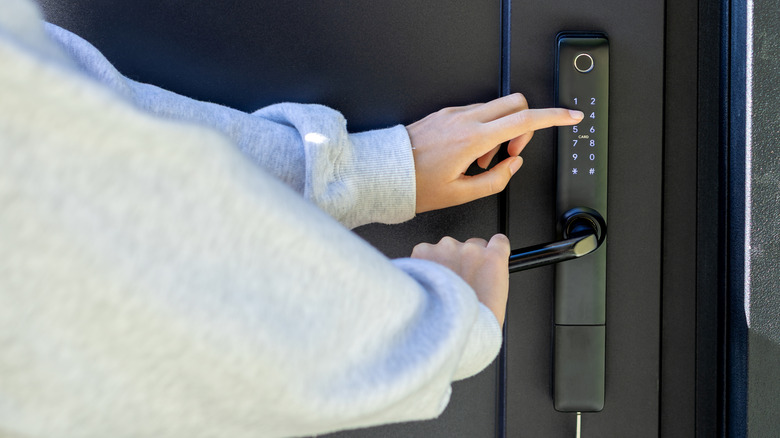
Have you ever left the home and wondered whether you remembered to lock the front door or back door? Using smart deadbolt locks for your doors will help in this situation. Plenty of reasons exist to buy a smart lock for home security. Smart locks usually offer auto-locking features and remote control of the deadbolt through an app, allowing you to check the position of the lock from anywhere. You can unlock the door remotely for a service professional or family member, too.
Installing a smart lock can be done in a few hours with the right tools and a little DIY experience. You will need to be able to physically install a doorknob, strike plate, or deadbolt. Some models will require all of these components to be replaced, others might only need you to replace certain components. You won't have to connect to existing wires, though, as most smart locks run from batteries. Some of the challenges of installing a smart lock that may lengthen the process beyond a few hours include needing a larger hole for the smart doorknob and deadbolt. You might need a hole saw bit to enlarge the hole. If the screw holes don't line up, you may need filler materials.
2. A smart video doorbell helps you spot odd situations at home
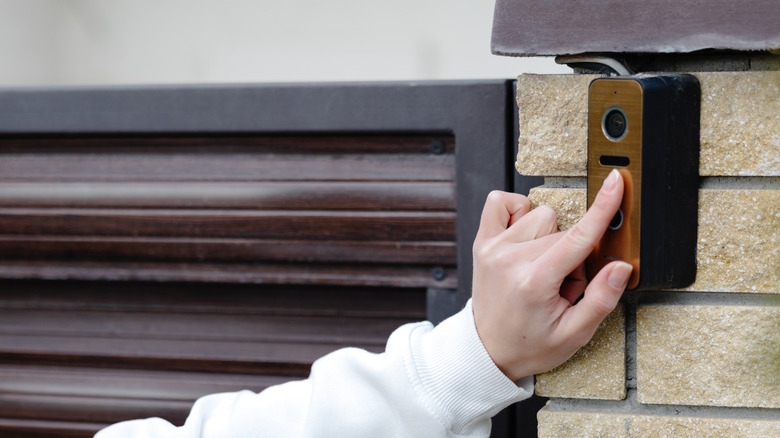
Whether you need a smart video doorbell to monitor your property at night or to see who's visiting your home while you're at work during the day, you should be able to install one on a weekend. You might be able to install a battery-powered or wired model in about 30 to 60 minutes. However, if you run into complications with wiring or connecting the device to the internet, it may take two hours or longer.
The physical installation is an easy process, as you often only need a drill, screwdriver, and (potentially) some pliers — though wired doorbells often require a little more work. You may need a masonry drill bit and some anchors, depending on the material around your door frame. You may also see a longer installation time if your home has a doorbell transformer that can't match the power requirements of the wired smart video doorbell that you selected. Some smart video doorbells use a solar charger instead of hard-wiring to deliver power to the battery, which may complicate the installation process. Some units include a secondary device you have to plug into an indoor outlet that connects the doorbell to Wi-Fi, which can complicate things.
3. Get alerts for dangerous smoke or CO levels on your phone
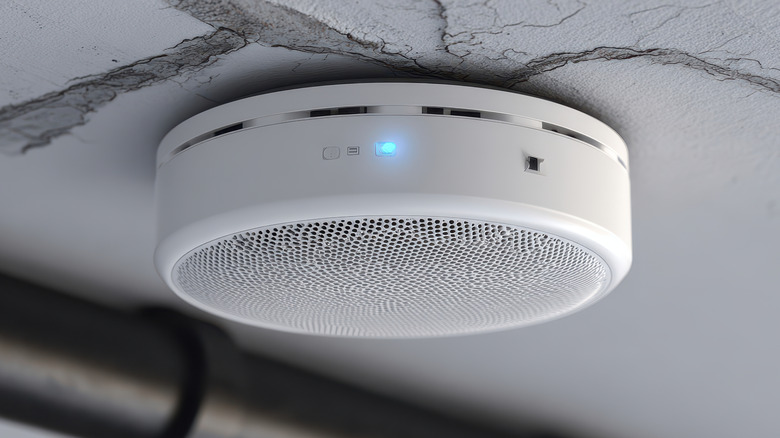
For decades, smoke detectors and CO detectors have been must-have pieces of equipment in your home, as they can alert you to dangerous conditions, even when you're sleeping. If you want to receive these alerts on your smartphone when you aren't at home, though, you need more than an audible siren. Smart smoke and CO detectors not only alert you on your phone, but they can also work with other smart devices at your house, such as by stopping fans in your air conditioning system from operating during the alert period, preventing the dangerous spread of smoke or CO.
Installing a smart smoke and CO detector is a relatively easy job that usually takes 10 to 60 minutes. Considering you could need anywhere from three to eight (or more) detectors, depending on the size of your home, the work could take up a chunk of your weekend. To do the physical installation, you'll need a screwdriver, drywall anchors, wire nuts, a drill, and a ladder. Getting the detectors to communicate with your smart home system and devices and learning to use the detectors' app will require some additional time.
4. Check your garage door's security from anywhere at anytime
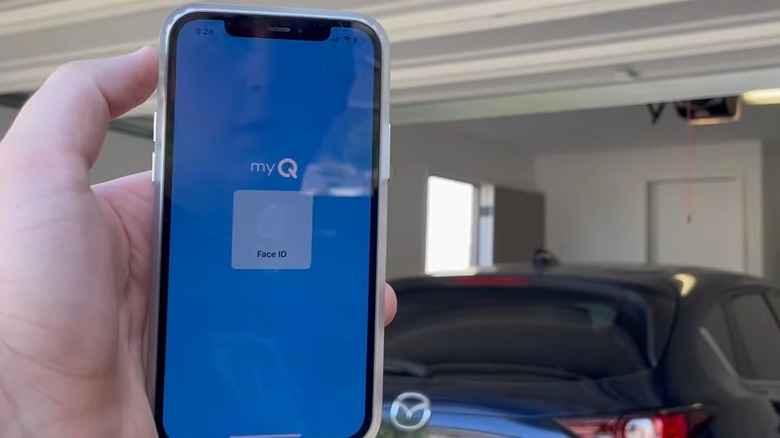
If you've ever worried that you forgot to close and lock your garage door after you've left home, installing a smart garage door opener can give you some peace of mind. You can remotely check the garage door's status through your smartphone and app. You can also receive real-time notifications for when it opens and closes.
Installing a smart garage door opener may require quite a few tools, including a ladder, screwdriver, drill, tape measure, level, and more. The DIY work can be challenging for a beginner and may take two to four hours, so you may need a significant portion of the weekend for the installation in a two- or three-door garage. Most people can keep the existing door, but they will often need to replace all the other opener hardware. One potential complication you may encounter with installing a smart garage door opener is a weak Wi-Fi signal in the garage. This could leave you without remote access to the smart unit's features. Some people may struggle to make the opener consistently connect with a smart home network because of the weak signal, causing intermittent performance.
5. Replace cutting the lawn with a reliable robot mower
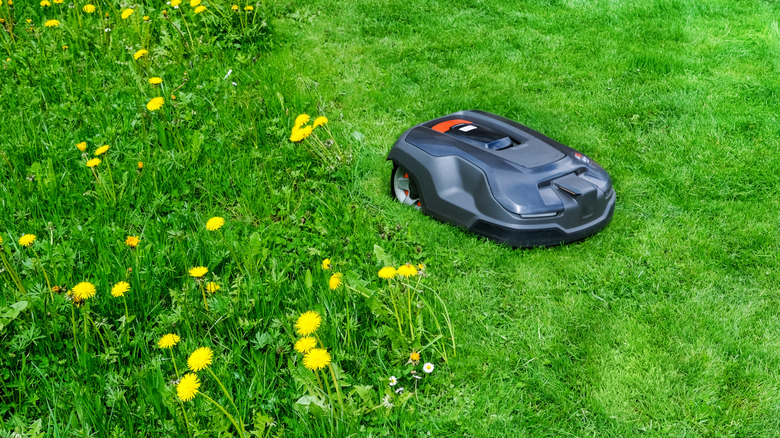
If you spend more time clipping your flower bed than making your lawn look great, a robot mower may be the better option. Smart robot lawn mowers are convenient and potentially safer for your grass and flowers. They can run at any time of the day because they operate quietly. Installing the boundary for the robot mowing system usually takes between two and four hours for an average-sized lawn. However, you may need more of your weekend if you need to troubleshoot problems with the buried guidance wire or if the wire must work around a lot of angles and slopes on your property. You'll need tools like landscape marking paint, a shovel, wire cutters, and a hammer to do the work.
If you choose a model that runs from GPS and doesn't require a buried wire, you might be able to complete the job in as little as one hour. However, you may still have to invest significant time in troubleshooting this unit. Weak signals, overhanging trees, and uneven terrain can complicate the setup process for a wireless smart robot mower.