

The 5 Biggest Problems Users Have With Amazon Prime
We may receive a commission on purchases made from links.
Amazon Prime has long been more than just a free shipping service, since the subscription now includes other services from the company. For around $139 a year, you get services like Prime Video and Amazon Music. The subscription also includes other perks, offering users a wide variety of benefits.
With so many services together, the expectation is that the subscription will make everyday life more convenient, whether you are buying a product or choosing a movie to watch. After all, people who keep making this recurring payment expect to have access to the benefits when they need them. For that reason, the experience of using the service matters as much as the number of advantages the company advertises.
Even though the service offers users several options, that does not mean it is completely free of problems. Many people may run into issues while using it, especially with limitations that only become apparent after the subscription is active. For that reason, we gathered some problems that can affect the user experience with Amazon Prime.
Prime Video charges extra to remove ads
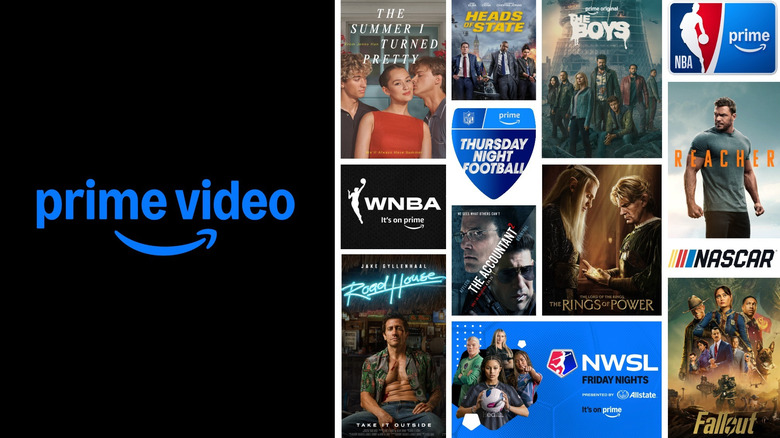
People who subscribed to Amazon Prime mainly for its video service may remember that, at first, they could watch movies and TV shows with few ads. At first, the streaming service promoted only its original shows, but it didn't go beyond that. This has changed somewhat, since the subscription version now includes commercial breaks and charges $4.99 to remove them.
If you already paid for the package, you had to choose between accepting interruptions or spending more to subscribe to Prime Video Ultra, which replaced the previous ad-free option. However, ads weren't the only change, since 4K and UHD streaming became part of this additional tier. So, even if your TV supports that resolution, you will need to pay the extra amount to take advantage of it.
Ultra offers other advantages, such as up to five simultaneous streams and a higher download limit, but ad removal still has exceptions. Live sports, certain content, and add-on subscriptions may still show ads even if you pay extra.
Some Prime benefits require another subscription to offer more features
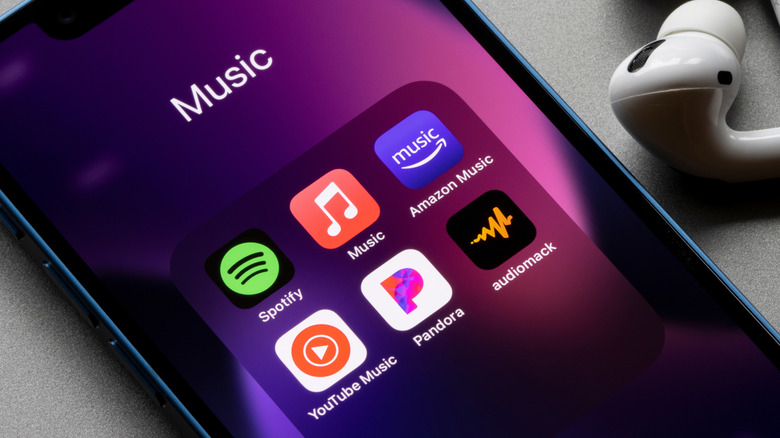
Beyond the changes Amazon made to Prime Video, the company's other services already had similar limitations. For example, Amazon Music Prime offers access to a large catalog of ad-free music, but you can't choose any song. Playback of artists, albums, and playlists is limited to shuffle mode. Even with some exceptions, such as All-Access playlists, this flexibility is limited.
To listen to your favorite songs without restrictions, you need to pay extra for Amazon Music Unlimited. This plan also gives you access to HD, Ultra HD, and spatial audio, features the more basic Amazon Prime version doesn't offer.
Something similar happens with Prime Reading, which offers a rotating selection of digital books, magazines, and other files. However, it still doesn't offer the same variety or the major titles available through Kindle Unlimited, which requires a separate subscription, even for people who already have Prime.
Prime's price has increased, but you cannot scale back the package
Like other subscription services, Amazon Prime has gone through several price increases. It now costs $14,99 per month or $139 per year. The price was $99 in 2014, rose to $119 in 2018, and then reached its current level with the 2022 increase. For people who have kept the subscription for years, that difference can add up.
Another problem with Amazon Prime is that its price reflects the number of benefits you get, but you can't customize the package. Even if you don't use Prime Video, Amazon Music Prime, or Prime Reading, you don't get any discount on the service. So, even if you only want free shipping when buying from the store, you cannot choose just that benefit and have to accept any price increases to keep the rest of the package.
The monthly option lets you subscribe only during periods when you use it more, but it costs $179.88 if you keep it for twelve months. The annual plan, on the other hand, requires a one-time payment of $139. People who don't shop often have another option: eligible orders of $35 or more qualify for free shipping without Prime, though delivery may take longer.
Prime doesn't guarantee fast delivery on every order
Fast delivery is one of Amazon Prime's main attractions, but the subscription doesn't guarantee every purchase will arrive quickly. Delivery depends on product availability, your address, and nearby inventory. So, if the item you want isn't available for immediate shipping, the delivery window starts only after it ships.
Also, not every product sold on Amazon participates in Prime. The site brings together third-party sellers, who may have their own offers and delivery times. Assuming Amazon itself sells every item on its official website is a common mistake. Not all sellers offer the subscription's benefits, so you may not be able to take full advantage of it.
Another point is that even when products qualify for Amazon Prime benefits, large or heavy items, such as furniture or TVs, may take longer to arrive. So, before completing your purchase, check the delivery conditions Amazon shows rather than confirming the order and expecting it to arrive quickly, only to find that it does not.
Sharing Prime benefits has become more restricted
Like other subscription services, especially streaming platforms, Amazon has made it harder to share Prime benefits with other users. In 2025, the company ended Prime Invitee, which allowed people to share shipping benefits with someone living at another address. Today, Amazon Family sharing applies only to people with the same residential address. This prevents you, for example, from sharing the service's benefits with a family member who lives in another area.
Even within the same household, however, the service still has some limits. Besides the account holder, only one other adult can use Prime's shipping benefits. The organizer also needs to share a payment method to verify the group, and participants can use it for purchases, which makes it harder for everyone to keep shopping through their own accounts if more than two people live in the same home.