

How Much Would It Cost To Build A Gaming PC In 2006 Vs. 2026?
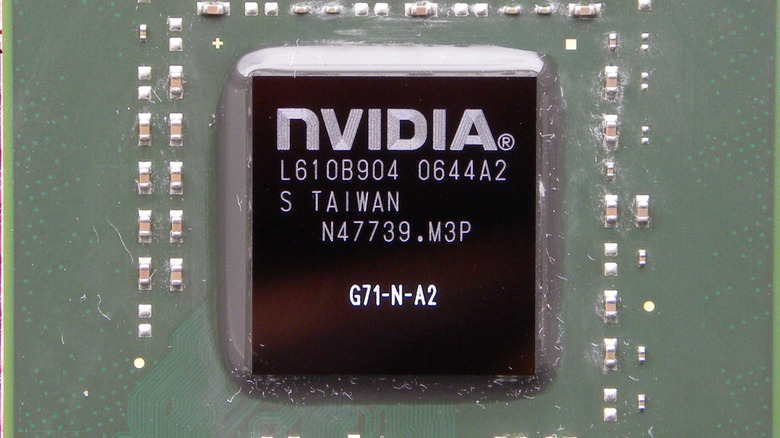
A lot changes in 20 years, particularly in tech. Over the last few years in particular, component prices have spiked so much even the likes of Apple, Microsoft, and Sony are publicly complaining about it. But if you look back even further than the AI-driven price boom, buying the parts to put together a gaming PC is far different from what it was two decades ago, in 2006. Online tracker PCPartPicker did the math and found that $1,000 back then would have bought solid mid-range components. In the fall of 2026, that money is barely enough to buy a basic gaming rig today.
Pricing for RAM, graphics cards, and storage has risen significantly thanks to the AI bubble, which has substantially increased demand for components, inflating the market alongside scalper bots making it hard to get even basic products at MSRP. The massive memory shortages appear estimated to last at least into 2028, in part because AI companies are still buying up future supplies before manufacturers even finish making them.
Rather than aiming for the most expensive components, it's wise to think about what will actually do the job without overspending. Many people have shifted back to DDR4 RAM and AMD AM4 CPUs and motherboards to avoid increased prices. The good news: It's a wise option, and previous-generation tech still offers a great platform to game on.
Building the ultimate rig in 2006 vs. 2026
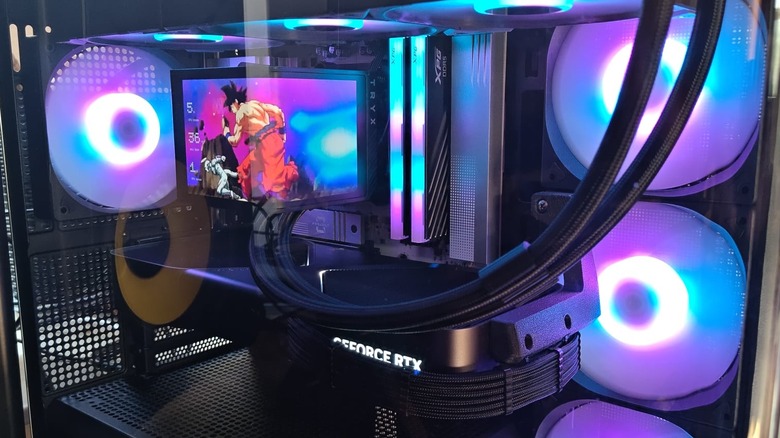
To see just how drastically the market has shifted, we need to compare a flagship gaming PC from two decades ago against a modern top-end build, specifically my own MainGear Zero gaming PC.
If we're comparing bleeding-edge builds for the time, let's start with what we can buy in 2026. The MainGear Zero MK. II represents some of the best components money can buy right now. It features an Nvidia GeForce RTX 5090 Founders Edition, an AMD Ryzen 7 9850X3D, 32GB of DDR5 memory, and 2TB of NVMe storage. All told, that adds up to between $8,000 to $8,500, depending on customizations such as the type of AIO CPU cooler and power supply.
Looking back at 2006, the absolute pinnacle of PC gaming hardware was much more affordable by comparison. A maxed-out, unlimited-budget PC in 2006 packed in an Intel Core 2 Extreme QX6700 processor that launched with a $999 price tag, paired with 4GB of high-speed DDR2 memory that cost around $400. The main focus of the build would have been an Nvidia 8800 GTX graphics card, which only cost $599, far below even the MSRP of $1,999 for an Nvidia GeForce RTX 5090 Founders Edition.
The full gaming PC came out to around $3,000 in 2006, which would cost just over $5,000 today when adjusted for inflation. That's $3,500 cheaper than our 2026 high-end example. Or, said another way, you could buy two bleeding-edge gaming PCs in 2006 for roughly the cost of one today.
The reality of the modern DIY market
Because most PC components have become so expensive, you might be wondering whether it's cheaper to build or buy a gaming PC at this point. Historically, DIY building was the cheaper option, but today, buying a pre-built PC is usually cheaper than buying everything separately.
For example, my MainGear MK. II is $8,500 with an upgraded CPU AIO, but buying an RTX 5090 FE GPU is running users up to $7,000 on the secondary market seeing as it's near impossible to find at retail. Then consider the following component costs:
- MSI PRO B850M-A WIFI PZ motherboard for $219.99
- AMD Ryzen 7 9850X3D for $499.99
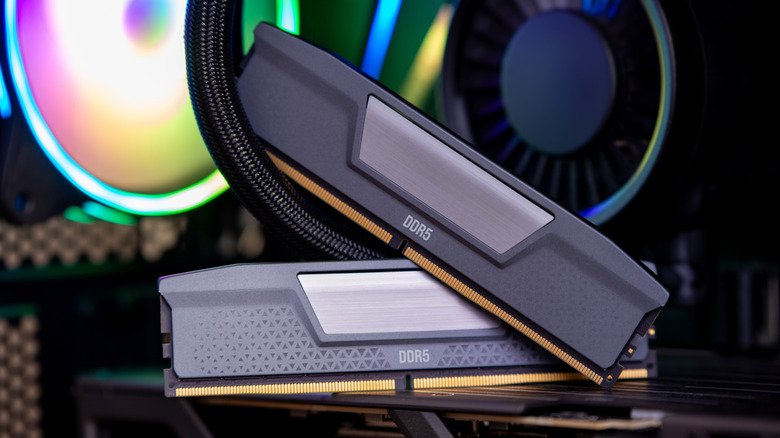
- 32GB of XPG DDR5 RAM for $409.90 per 16GB stick
- MSI MAG A1250GL PCIE5 PSU for $236.92
- TRYX Panorama SE 360 ARGB AIO CPU cooler for $279.99
- Kingston KC3000 M.2 2280 2TB at $495
Excluding the cost of a chassis to mount this all in, the total comes to a massive $9,551.69. Plus users would be missing out on the custom optimizations and warranty MainGear offers as well as its customer service.
The concept of an MSRP feels effectively dead for standard consumers trying to find a fair deal when sourcing their own parts. A dependable mid-range GPU now costs between $600 and $750, leaving budget gamers with almost no viable DIY options. Building a retro gaming PC instead of buying a console is one of the best projects to put together while attacking a backlog.