

What Are 'Nanobubbles'? The Powerful Water Treatment Technology Explained
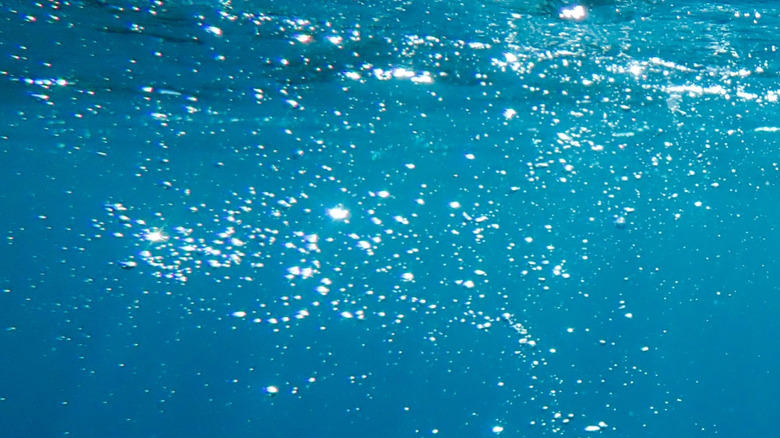
Making a big deal about bubbles sounds absolutely mind-numbing, but when it comes to cutting-edge water purification technologies, nanobubbles are at the forefront. But how can microscopic gas cavities transform water treatment? Nanobubbles are ultra-fine, measuring under 200 nanometers in diameter. That's 2,500 times smaller than a single grain of salt, or 10,000 times smaller than a human hair.
Unlike conventional bubbles that quickly float to the surface and pop, nanobubbles remain suspended in liquid for extended periods. Because Brownian motion (the random movement of microscopic particles in a fluid) at the nanoscale is far stronger than buoyancy, these effectively neutrally buoyant bubbles can remain suspended in water for days or weeks rather than rising and escaping into the air in seconds.
The physical characteristics of nanobubbles give them unique electro-chemical properties in both static water and flowing systems. Because millions of microscopic bubbles present a vast total surface area, they dissolve gas into surrounding water with extreme efficiency. Their high internal gas pressure continuously pushes gas molecules into solution, while a negative surface charge causes individual bubbles to repel one another so they don't combine into larger, buoyant bubbles.
The challenge is producing them, which requires requires specialized equipment to shear gas into microscopic pockets. Common methods include spinning water through high-speed impellers to create rapid pressure drops and acoustic cavitation, which uses ultrasonic waves to tear micro-cavities directly into the fluid. This is usually what's needed when normal aeration pumps aren't clearing up stagnant water.
How nanobubbles treat water compared to traditional methods
Traditional water treatment techniques rely heavily on coarse air stones or chemical oxidizers, which suffer from high energy loss and rapid gas dissipation. While traditional coarse aeration systems (like fish tank bubblers) achieve only 10% to 20% oxygen transfer because bubbles escape at the surface, nanobubbles deliver over 85% oxygen transfer efficiency in as little as two feet of water. This drastically reduces the total gas volume and electrical energy required to keep water oxygenated.
This implosion of nanobubbles also generates free radicals and reactive oxygen species that destroy bacterial cell walls to purify water (although farming bacteria could soon become a reality). Combining nanobubbles with ozone gas multiplies disinfection power while dramatically slashing treatment times. Researchers targeting a concentration of 0.15 milligrams of ozone per liter of water reached their target in under 5 minutes . By comparison, traditional air-stone bubbles require more than 1.3 hours (80+ minutes) to reach that same threshold.
Beyond bulk water treatment, research shows nanobubbles can sanitize hard surfaces without harsh chemicals. A study published in the Journal of Environmental Chemical Engineering demonstrated that combining ozone nanobubbles with heated 122 degrees Fahrenheit water cleaned submerged materials used in bathtubs, sinks, and plumbing drains 2.4 times more effectively than plain tap water by scouring biofilm and organic buildup. Nanobubbles could even clean up new sources of water found underground.
Real-world applications: Aquaculture, ecosystem resetting, and wastewater
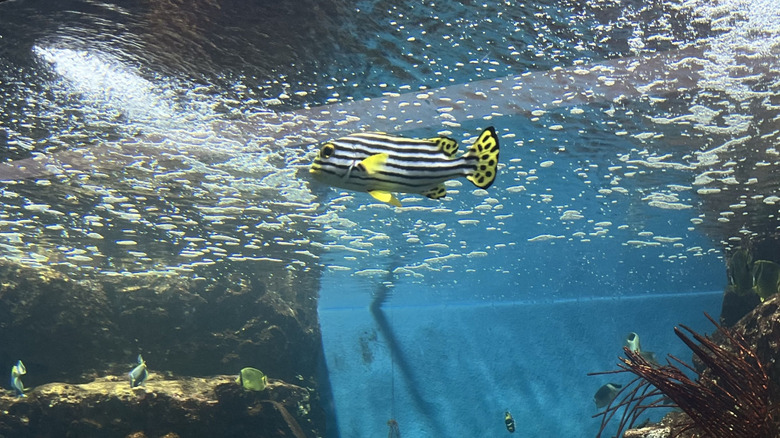
When it comes to commercial aquaculture, nanobubble technology protects aquatic livestock from devastating bacterial disease outbreaks. Low-dose ozone nanobubble applications eliminate up to 99.4% of total heterotrophic bacteria and up to 95.2% of bacterial DNA in pond water without harming sensitive fish species like jade perch.
Ozone nanobubbles give water resource managers an option to reset unbalanced aquatic environments rather than totally sterilizing them. A brief ozone nanobubble treatment suppresses over-dominant pathogenic bacteria and harmful cyanobacteria (blue-green algae), allowing a more balanced and even microbial group to rebound within 24 hours.
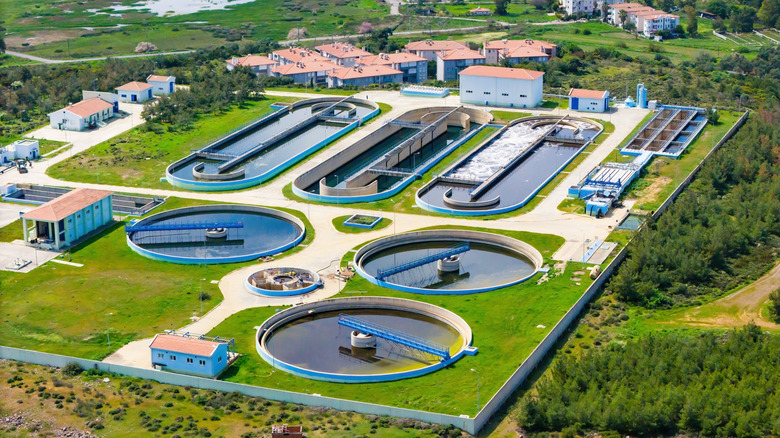
Because nanobubbles alter both gas dissolution and fluid dynamics, commercial operators are integrating generator systems into large-scale infrastructure. Large nanobubble integrations could be a solution to cleaning used water from AI datacenters, for example. Commercial nanobubble systems are already being used in aquaculture, agricultural crop irrigation, car washes, food processing, lake restoration, and municipal wastewater treatment to improve water penetration and suppress algal blooms.
Nanobubble use isn't short of research in its favor either, with independent academic studies continuing to validate nanobubble technology as a rapid, chemical-free pathogen deterrent. These studies demonstrate that nanobubble treatments can eliminate harmful pathogens such as E. coli and Listeria within 5 minutes of exposure.