

New Consumer Reports Study Shows Americans Don't Want To Pay For Data Centers
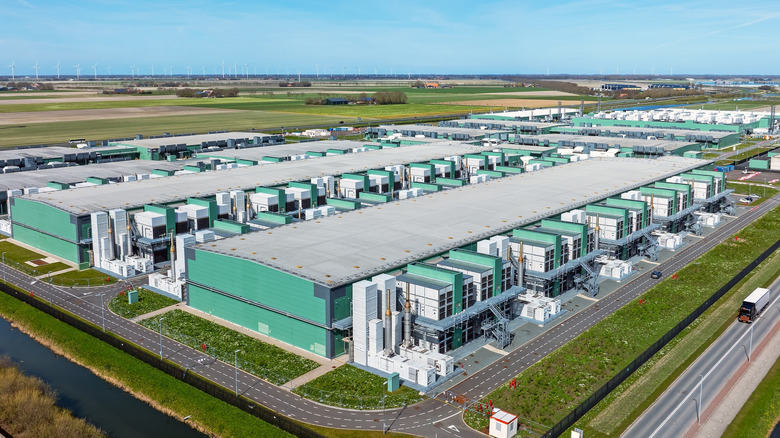
There are plenty of reasons that utilities are getting more expensive, but Americans are increasingly pointing the finger at one in particular: data centers. According to Consumer Reports, 81% of Americans reported higher electricity bills over the last three years, with around three-quarters of them saying rising utility costs were straining their finances. The survey, based on just over 2,000 respondents, found that 38% of respondents said that AI and the data centers that power the technology are driving up their bills; the only factor that ranked higher was utility company profits at 45%.
At this point, it's well-known that data centers are a huge strain on resources. These facilities require a lot of electricity to operate and generate a lot of heat when they do, so they also need fresh water for cooling. What may be less obvious is that, because data centers require so much power, utility companies need to build out their infrastructure to accommodate them. Those expenses are frequently passed down to the average consumer rather than the corporations that are driving up demand.
It shouldn't surprise anyone to learn that consumers aren't keen on footing the bill. In response to questions surrounding energy fairness, around half called passing costs onto residents "unacceptable," and three-quarters of Americans don't trust utility regulators to protect their interests. Most (84%) would support utility companies charging data centers different rates than everyone else.
Data center risks are being passed onto consumers
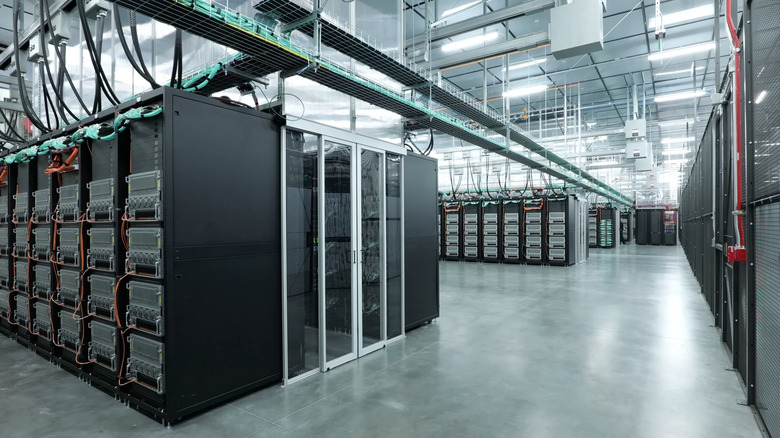
Not every proposed project will actually be built, start operating, and remain open, but closed or canceled data centers can still be costly if utility companies have already built out their infrastructure to accommodate them. Unsurprisingly (and rightly), Americans also don't want to be responsible for that risk. Half said that, if a data center closes, the corporation should still have to pay the full costs of any infrastructure built for it; 69% said utility companies should pay for anything they build in preparation for data centers that have yet to start operating.
As they drive demand and costs through the roof, the companies behind data centers aren't the ones bearing the financial burden — not by a long shot. In fact, data centers often get special treatment. During summer 2026, as heatwaves pushed power grids to their limits, AI data centers were deemed important enough to get priority access to emergency energy backups. Things are beginning to change as more states pass laws placing new regulations and consumer protections in place, but that's not going to make a noticeable or immediate difference, especially not for families who are hurting right now.
It's worth noting that data centers aren't the primary factor that's driving up energy costs. Experts say inflation and aging grid infrastructure are far more significant culprits, though some caution that things are changing so rapidly that existing data may already be outdated. Fuel prices themselves are also getting more expensive amid greater demand and international conflict, particularly the Iran war.
Data center have reached a fever pitch
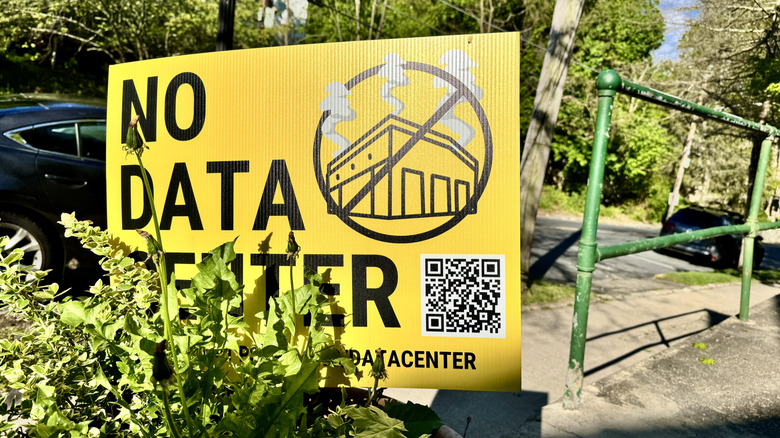
Regardless, the fact that Americans are placing so much of the blame on AI data centers is telling and reflects public opinion. It's not only about economics, either. Residents living near data centers face common problems like air and noise pollution, with some even reporting health issues like nausea, vertigo, and insomnia. There's some evidence that data centers increase property values, but the downsides of living near a data center might make it harder to find a buyer.
All of this aligns with public backlash towards data centers, which have blocked hundreds of billions of dollars worth of investments in 2026 alone. That's forced executives from tech companies like Meta, Microsoft, and Amazon to make statements promising to reduce environmental impact and improve transparency with locals. In fact, during the recent Midterm elections, voters approved almost every ballot measure restricting data centers (the one exception being a small city in North Dakota) and rejected candidates who embraced them to elect those who promised regulation.
Even if they're not the sole reason for rising utility prices, data centers combine economic, environmental, and health concerns with concern and skepticism toward AI. Through public outcry and the ballot box, Americans are making it abundantly clear how they feel about bearing the brunt of the AI revolution.