

5 Disadvantages Of Buying Digital-Only Gaming Consoles
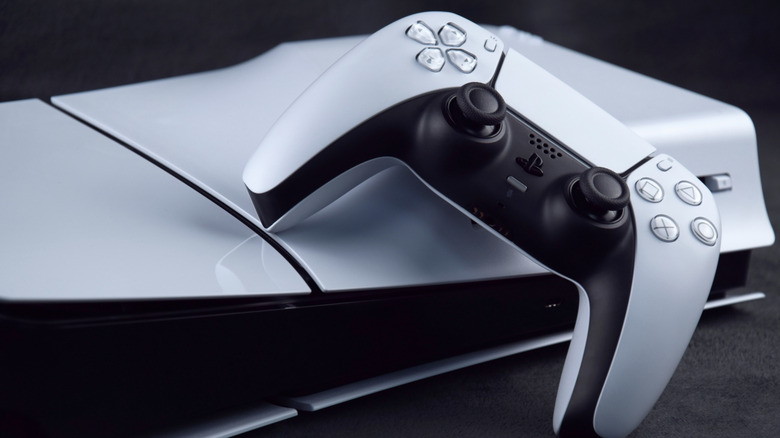
PlayStation's announcement to discontinue physical discs starting in 2028 caught the gaming industry by surprise. Anyone with a substantial collection of titles or wanting to game on a budget often seeks the disc edition. That's why Sony's decision became the topic of many heated debates. On the other hand, Xbox is trying to win over the users PlayStation lost with its disc-to-digital initiative, but sadly, not all games are supported. Setting that aside, there is a bigger, more pressing implication here. It's that an era of digital-only consoles is near.
Advocates of a digital-only future highlight cheaper and slimmer console designs and argue that digital games save players the hassle of storing and managing discs. At first glance, these benefits look appealing, but upon closer inspection, the cons outweigh the pros by a mile.
Digital-only consoles imply that players will have to buy digital games, meaning they can't simply borrow games from a friend. Physical disc collections built over decades automatically become unusable too. Moreover, digital games drop in price years after their physical editions. These aren't half of the disadvantages of buying a digital-only console. Having an all-digital library also means that your games can vanish whenever the online storefront decides to revoke a game's license. Contrary to this, physical media support in consoles preserves decades of gaming heritage, offers players greater consumer choice, and better value. Digital-only consoles simply come with too many compromises, and the following five disadvantages explain why gamers should think twice before buying them.
Digital purchases grant revocable licenses, not ownership
Following the announcement to end physical disc support for games beginning in 2028, Sony sent PlayStation users an email to remind them of its terms of service. The guidelines read, in part, "licensed to you, not sold." That means players are, in fact, buying a license to play games rather than owning titles, and the license is revocable. If internal company deals break down or servers go offline for whatever reason, it's goodbye to ever playing that game again. This isn't just limited to games either. Recently, PlayStation removed over 500 StudioCanal titles for users across Europe due to licensing issues. No refunds were issued because the terms claimed it was a license.
This isn't a problem with disc-based consoles, though. Physical discs and supporting consoles represent real ownership, and physical media can't be wiped from a player's library with the flip of a switch. Account bans and suspensions are another big issue. While it's rare, automated system errors have still led to select players being suspended without cause. Situations like these leave players locked out of their digital game library, making their digital-only consoles a sitting relic.
The end result is going through dozens of support tickets to sort out the problem and ruin what was supposed to be a relaxing evening. Physical media offers a level of protection digital content can't. Even if one account gets suspended, discs continue working on other accounts on the same console. There's simply no reason to fear losing ownership of games this way, proving that a disc-based console remains the safer option.
Digital consoles eliminate game reselling and trading
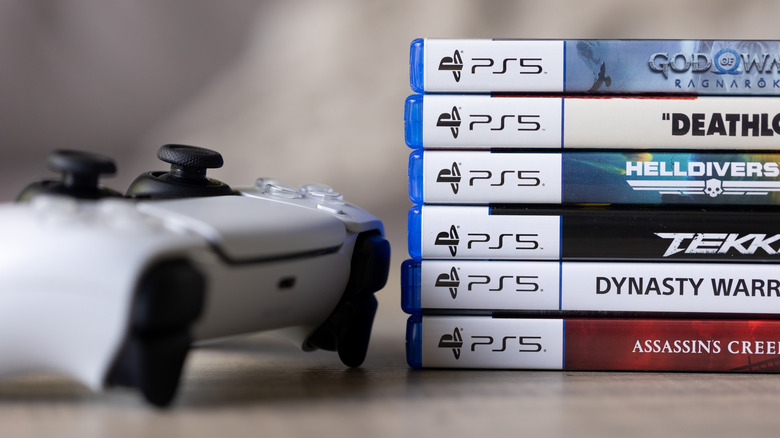
Another major drawback of buying a digital-only console is that players can't resell the digital games they buy. This becomes frustrating for players who love narrative-driven single-player games. Whether it's "Marvel's Spider-Man 2" or "Ghost of Yotei," AAA titles generally provide limited hours of fresh content. Most owners want to offload their games after finishing them. But with digital-only consoles, exchanging with friends and trying to resell their games for cheaper are both out of the question. To add to the misery, even the licenses players purchase aren't transferable.
Disc-based consoles don't suffer from this problem or lock players out of their freedom to resell their physical copies. What this creates, in turn, is a thriving second-hand market for resale and exchange. The first and biggest plus point of this is that players can recover their spending and save on future purchases. Another reason to buy physical games is that niche copies gain value in the long term and can sell for more to collectors. Not only do physical game copies stand as an investment, but they also hold sentimental value. This once again highlights the many disadvantages of buying a digital-only gaming console.
Storage space limitations and internet dependence
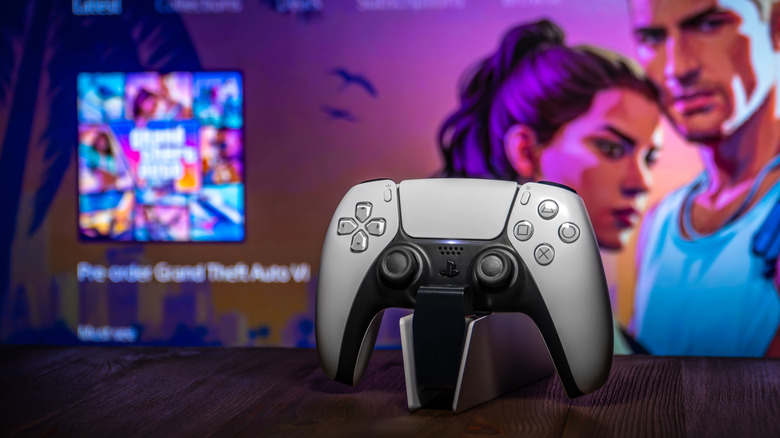
Digital-only consoles rely on an internet connection to download games. Modern AAA games are massive. "Grand Theft Auto 6" is expected to be around 212 GB on consoles – an extraordinarily large size for a modern game. Continuous game updates, DLCs, and system overhauls by manufacturers keep on chipping away at the capacity of the console too. The base versions of the PlayStation and Xbox Series X consoles are both equipped with less than 900 GB of usable storage space. That's enough for a handful of heavyweight titles right now, but with games only getting bigger each year, a digital-only console isn't really future proof. The NVMe SSD prices have also tripled ever since the AI boom, making additional storage a far more expensive solution.
Another disadvantage to using a digital-only gaming console is that it relies solely on internet connectivity for everything. With physical copies of games, a good chunk of the content can be copied onto the console, while the remaining updates can download in the background. This consumes far less data, and in regions with expensive internet connections, physical discs are a huge boon. Similarly, if a player needs to free up space on a digital console, they'll have to fully delete their game. Playing them again means hours of re-downloading, whereas with discs, the console needs to copy the content and sometimes download a few files, which takes considerably less time.
Physical discs offer cheaper pre-owned pricing options
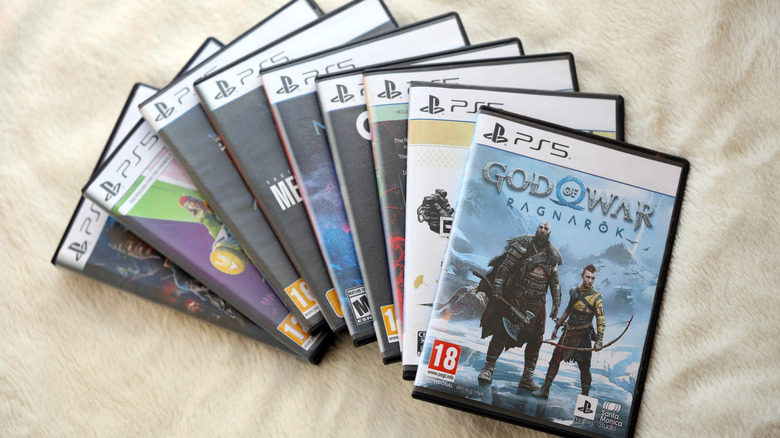
One of the biggest disadvantages of buying a digital-only gaming console is missing out on used games. Pre-owned games, regardless of whether it's a AAA blockbuster or a niche indie game, go for cheaper in the offline used games market. For instance, a game that releases today will go on sale a year later. It'll be a temporary price drop, and then it'll be back to the original price tag. More than four years have passed since "Elden Ring" was released, yet it still costs $59.99 on both the PlayStation and Xbox storefronts. Alternatively, if a player were to visit a store in person and look for a pre-owned physical copy, they'll find it at half the price or lower.
Third-party stores like Best Buy and GameStop regularly put up promotions, seasonal sales, and clearance discounts. These occasions are perfect for buying new games just as much as they are for buying pre-owned ones. Sellers on Facebook Marketplace also provide game trading opportunities. These offline player-to-player interactions are irreplaceable for people who want to play the latest games without breaking the bank.
Owned discs become useless, and delisted games are lost forever
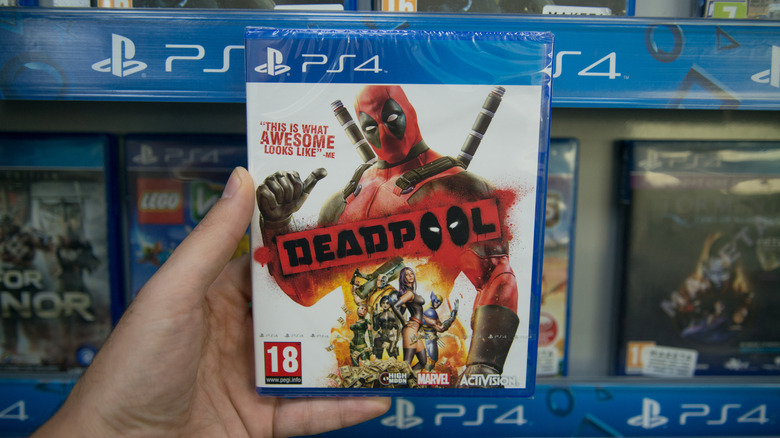
Owning a digital-only console also means losing access to physical game collections that have been purchased over generations. Digital-only console supporters could argue for buying digital versions of games, but then there's the fundamental issue of digital games being infamously delisted. "Deadpool" (2013) didn't sell incredibly well, yet it still managed to find a sizable audience because of the witty humor and great combat system. As of right now, the "Deadpool" game is not purchasable on any digital platform. Licensing issues led to it being taken down. However, physical copies of the game are still in circulation today, proving just how vital they are to preserving games.
While "Deadpool" was fortunate enough to be saved by physical copies, the same can't be said for "Castlevania: The Adventure ReBirth." This Castlevania platformer came out in 2009 as a digital-only release on the WiiWare storefront for supported Nintendo devices. The store was shut down in 2019. Since no physical copies exist, "Castlevania: The Adventure ReBirth" is not obtainable physically or digitally today. In the bigger picture, a digital-only future means the threat of delisting can't be ruled out. Disc-based consoles are free from abrupt inaccessibility, making digital-only consoles an unreliable choice for players and the industry as a whole.