

Android Auto Officially Ends Support For Android 10 Devices
If you're an Android Auto user with a phone stuck on the Android 10 operating system, you may need to start searching for an alternative or new ways to access Google's smart driving companion. Google warned users in October 2026 that it would be dropping support for older operating systems, and now, Google's Android Auto support page mentions that Android 11 is now the minimum supported operating system for Android Auto.
As spotted by SamMobile, the new minimum requirements may put certain Samsung owners in a precarious situation, as some of the manufacturer's older devices no longer hit the mark. Unfortunately, those running older devices likely have little left to do other than purchase a new phone if they want to continue using Android Auto. While the driving assistant can still be useful without cellular service, users will still obviously need a phone for making a proper connection. While not as prevalent, those still on Android 9.0 will be getting the boot, as well.
Fortunately, some lucky users who simply forgot to upgrade may have an operating system update waiting for them. Galaxy owners who are still running Android 10 can head to Settings > Software update > Download and install to see if one is available, whereas other Android users may want to check Settings > System > Software Updates. Considering all the features it has that can help make a driver less distracted while driving, losing Android Auto can be a big deal for those who rely on it.
Android Auto support on Android 10 comes to an end
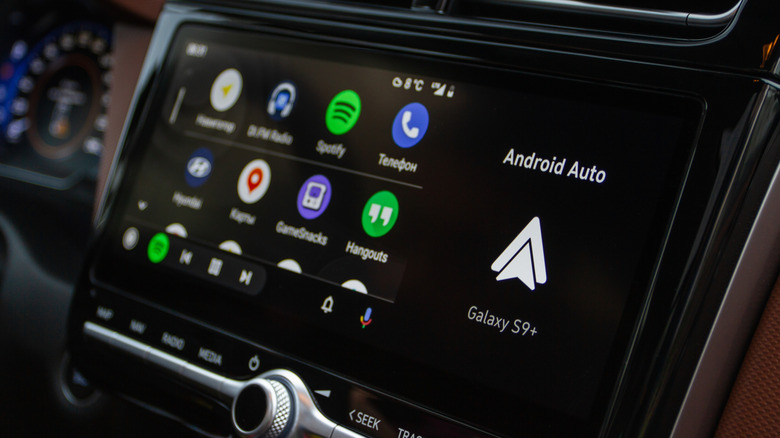
It's not clear how many will be impacted by Android Auto dropping support for Android 10, though Google updated its Android version distribution figures in October 2026 (via 9to5Google), and those numbers show that 88.3% of all active Android devices are running at least Android 11. But plenty of older, perhaps retired devices still run Android 10 — this includes once-popular flagships like the Samsung Galaxy Note 9, the Sony Xperia XZ2 Compact, and the Galaxy S9, as noted by Android Authority. However, since Android 10 first released in September 2019 and hundreds of security vulnerabilities have been patched in Android's code base since then, it's likely some of the affected users needed to consider a software upgrade long before now.
This isn't the first time Google has bumped up the minimum system requirements for Android Auto. The company made Android 8.0 Oreo the minimum requirement in 2022, then upped that threshold to Android 9.0 Pie in 2024. In addition to meeting minimum OS requirements, users will also need a phone with 5 GHz Wi-Fi support if they plan on using Android Auto wirelessly.
For some, this change could force a choice between ditching Android Auto and upgrading to a newer phone. If you're in that boat, you should know that a trend has swept the Android ecosystem lately, and now many manufacturers are offering much longer software support guarantees than before. For instance, Samsung and Google both promise seven full years of OS and security upgrades on their higher-end phones — and in Google's case, even on the mid-range offerings. As strong as those promises may sound, they aren't even enough to win the top spot on the list of Android phones with the longest software support guarantees.