

5 OneDrive Alternatives Worth Switching To
OneDrive users may be better off looking at other premium cloud storage solutions for their data after Microsoft's recent decisions about Microsoft 365. The list includes Google One, Dropbox, pCloud, Proton Drive, and Apple iCloud Plus. These services offer limited free storage like OneDrive, but they also offer paid subscriptions with increased storage and other bundled products.
OneDrive's appeal comes from Microsoft's premium productivity subscriptions. OneDrive isn't sold on its own. It's bundled with Microsoft's popular software tools (Word, Excel, PowerPoint, Outlook, and others) in the Microsoft 365 subscription. Access to the service, via a Personal, Family, Premium or Business account, unlocks all these apps, along with generous storage that can be critical for using some of those productivity tools.
However, consumers have become increasingly unhappy with Microsoft's product. The company raised the Microsoft 365 price in early 2025 after adding Copilot AI to the productivity suite, angering some customers. More than a year later, in October 2026, Microsoft significantly reduced the storage pool available to Microsoft 365 Family subscriptions. Before the change, the plan offered 1 TB of storage to up to six users for a total of 6 TB per account. After the change, Family plan users have to share 2 TB of storage. That's why switching cloud providers might make sense right now.
Google One
The Google ecosystem of apps can offer the closest alternative to Microsoft 365 and OneDrive. A Google account gives you access to other Google apps, including Gmail, Google Drive, Google Docs, Sheets, and Slides. You can use these to replace Outlook, OneDrive, Word, Excel, and PowerPoint. Google also offers its own AI products, powered by Gemini, as alternatives to Copilot.
Each Google account comes with 15 GB of free storage, which you can use to store content from all these Google apps and sync files from smartphones and computers (via Google Drive). Comparatively, a Microsoft Free account comes with just 5 GB of OneDrive storage. However, free storage may fill up quickly, so users may need to upgrade to a paid Google One subscription, especially when using Google One to back up Android devices and sync large Google Photos galleries to the cloud.
Google One Basic (100 GB) costs $1.99/month. It offers family sharing support but doesn't include AI services. Google AI Plus comes in two versions: $4.99/month (400 GB) and $9.99/month (2 TB), and includes access to Gemini, Notebook, and Flow. The more expensive plan includes higher AI usage limits and Gemini in Google apps. Google One users who want higher Gemini usage can buy higher-priced subscriptions: Google AI Pro (5 TB), Google AI Ultra 5x (20 TB), and Google AI Ultra 20x (30 TB), priced at $19.99/month, $99.99/month, and $199.99/month, respectively. Each subscription includes higher AI usage limits than the previous options. These AI-centric tiers also include free versions of YouTube Premium, Google Health Premium, and Google Home Premium. Paying annually instead of month-to-month can unlock savings of up to 16% for eligible plans, according to Google.
Dropbox
Dropbox is another well-known name in the cloud storage industry and a good OneDrive alternative. Unlike Microsoft 365 and Google One, Dropbox paid subscriptions don't include access to similar productivity and AI products. However, Dropbox may suit customers who want a storage solution that supports sync and sharing tools rather than bundled productivity tools.
A free Dropbox Basic account comes with 2 GB of storage space, which may not be enough for users who want to share a large amount of data online for quick access from various devices. Dropbox Simple (500 GB) is the cheapest paid plan, starting at $69/year in select markets. Dropbox also offers Plus ($11.99/month) and Standard ($18.00/month) tiers with 2 TB and 3 TB of storage, respectively, similar to Microsoft's revamped Microsoft 365 Family tier. Dropbox Plus offers support for unlimited devices, 30-day history that allows users to restore deleted files and recover previous file versions, automatic computer backup, and large file transfers (up to 50 GB). The Standard option, suitable for teams, comes with 180-day file history, up to 100 GB file transfers, and Dropbox AI file management tools. Dropbox also offers a Family plan starting at $19.99/month for 2 TB of shared data.
While Dropbox may not replace Word and Excel, its subscriptions offer productivity tools, including PDF and image editing, video transcripts, online document editing, electronic signatures, text search, and connections to third-party services such as Microsoft and Google productivity apps. Dropbox can also be integrated with ChatGPT and Claude AI.
pCloud
With more than 24 million users, pCloud is a good OneDrive alternative to consider. pCloud offers something the other services on this list don't, and that's a Lifetime subscription option. Instead of paying a monthly fee, you pay a higher one-time price for lifetime access. But that is only as good as the company's own lifetime. The number of users indicates the service's current adoption. That said, pCloud is smaller than Dropbox, which has 18.2 million subscribers from over 700 million registered users (as of September 2026).
pCloud offers a Free account with up to 10 GB of storage after users complete specific steps. The Premium (500 GB), Premium Plus (2 TB), and Ultra (10 TB) plans cost $4.99, $9.99, and $29.99, respectively, with discounts available for annual purchases. Each tier comes with pCloud Photos and pCloud Docs. The latter can replace Microsoft's productivity tools, offering editors for documents, spreadsheets, presentations, PDFs, and other files. pCloud storage also supports synchronizing local folders and backing up select files. Each cloud plan includes a cap on monthly shared traffic (1 TB, 4 TB, and 20 TB, respectively). pCloud also provides a 30-day history for deleted files and file versions. End-to-end encryption is available for an extra $4.99 per month.
The Lifetime versions of these plans cost $279, $709, and $2,799, though a Black Friday 2026 deal offers significant savings. A 3-in-1 Bundle ($1,517 before savings) includes 3 TB of storage, pCloud Encryption, and a password manager (pCloud Pass Premium). The last two are not available with any of the other Lifetime offers. You can add Lifetime encryption to the other tiers for a one-time $150 payment.
Proton Drive
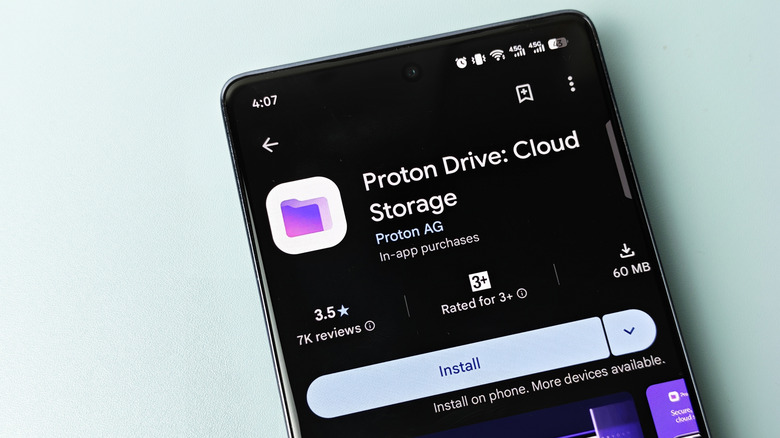
Like pCloud, Proton is a Swiss company, so local laws protect its cloud storage products. Unlike pCloud, Proton provides end-to-end encryption for its Proton Drive storage solution, a significant advantage over OneDrive and other alternatives on this list. The Proton Free account offers up to 5 GB of storage and access to Proton Docs and Sheets, Proton's own encrypted productivity tools.
The Proton Drive Plus subscription includes 200 GB of storage for $4.99/month and supports up to 10 years of previous file versions. But users willing to spend $12.99/month on the Proton Unlimited bundle get a better deal. The subscription comes with 500 GB of storage and access to Proton's other premium, encrypted apps: Proton Mail, VPN, Calendar, and Proton Pass (password manager). The Swiss company also offers a Proton Duo (2 TB) plan for $19.99/month that extends Proton Unlimited to two users. The Proton Family tier costs $29.99/month and comes with 3 TB of shared storage for up to six users. Annual commitments are available from Proton and can cut the monthly bill significantly. Proton is also running Black Friday offers for new customers.
Proton Drive works with Windows and macOS, and its desktop clients support file synchronization. The iPhone and Android apps let users back up photos and videos, though Proton cloud storage can't be used for full smartphone backups. OneDrive also doesn't support full-device smartphone backups.
Apple iCloud Plus
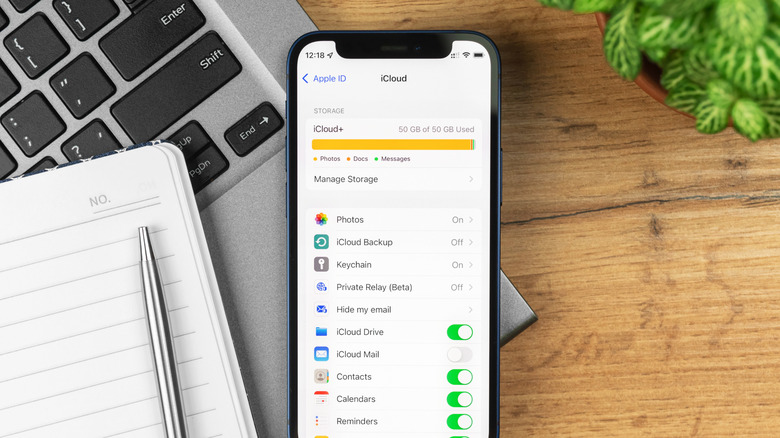
iCloud Plus is the last OneDrive alternative on the list because it benefits Apple users most. If you own iPhones and iPads, you can back them up to the cloud, and Apple supports end-to-end encrypted cloud backups with the Advanced Data Protection feature (though not in all jurisdictions where iCloud is available). iCloud also supports file synchronization on Mac and Windows and includes other services, including Private Relay, Hide My Email, and HomeKit Secure Video storage. The Photos app on iPhone and iPad can also be backed up to the service. Separately, Apple offers Word, Excel, and PowerPoint alternatives (Pages, Numbers, and Keynote) for free on iPhone, iPad, and Mac.
A free iCloud account includes 5 GB of storage, similar to what other services offer. iCloud Plus subscriptions start at $0.99/month (50 GB) and go up to $59.99/month (12 TB). You can share the available storage with up to five family members at all tiers, though you may want a more generous monthly plan for that. The 2 TB plan costs $9.99/month, while the 6 TB plan costs $29.99/month.
Another benefit of iCloud Plus is Apple One, which lets customers bundle cloud storage with other Apple subscriptions, including Apple TV, Apple Arcade, and Apple Music. An Individual Apple One plan costs $21.95/month, saving $13/month compared with purchasing these three subscriptions separately. The Apple One Family tier costs $27.95/month ($17/month in savings) and comes with 200 GB of storage. The $39.95/month Premier tier also includes Fitness Plus and News Plus, plus 2 TB of shared storage ($35/month savings).
How we chose these OneDrive alternatives
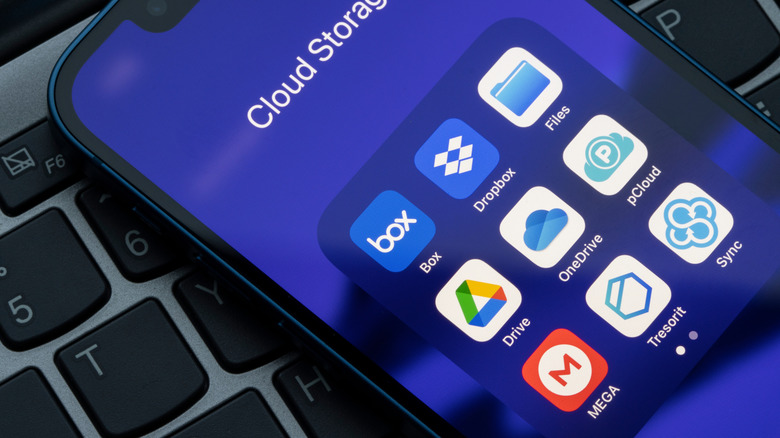
The cloud storage industry has plenty of players worth watching, especially in light of Microsoft's recent storage downgrade to OneDrive. We produce and share increasingly large amounts of data every year, so cloud storage upgrades may be needed. For example, most flagship phones sold in 2026 come with at least 256 GB of storage space, much of which may be reserved for user-generated content like photos and videos. For this list, we looked at OneDrive alternatives from well-known companies that can serve users for several years. We also looked at bundles that can match the services that Microsoft offers through its Microsoft 365 subscription. Google One and iCloud Plus may be the best alternatives on the list, especially for Android and iPhone users, respectively.
We searched for cloud storage products that offer comparable storage solutions at competitive prices. pCloud's Lifetime options stand out as a good choice for consumers looking to save money in the long run. Since privacy and security are also increasingly important, we looked for subscriptions that offer end-to-end encrypted storage by default (such as Proton) or optional (pCloud and iCloud Plus). Finally, access to premium AI services, including chatbots, and higher usage tiers may also matter to users, and that's where Google One stands out.
We'll point out that lesser-known storage options also offer premium cloud storage services. Importantly, buyers can mix and match various cloud storage services, including subscriptions, to replace or supplement OneDrive. Finally, consumers can also consider setting up their own cloud storage solutions, though the process involves costs and a learning curve.