

What Is OLED TV Edge Rot, And Should You Be Worried?
If you're wondering if modern OLED screens still suffer from burn-in, the answer is generally no. But a new problem is emerging in certain OLED TVs: edge rot. Users on Reddit and other community forums have reported that their WOLED panels, specifically, were accumulating dead pixels and other strange defects along the edge of the TV screens. The expert hardware testers at Rtings have shared their findings that this is an issue affecting many WOLED TVs released between 2020 and 2023.
Rtings previously conducted an accelerated longevity burn-in test that demonstrated the effects of 18,000 hours of intensive use on OLED TVs, which helped reveal how long OLED TVs actually last. It was during this test that the Rtings team originally encountered the edge rot problem. The defects appeared in 14 out of 16 WOLED TVs that were used in the test.
The term "edge rot" comes from the appearance of the dead pixel clusters, which resemble the formation of mold on a wall. Unlike screen burn-in, edge rot doesn't come from the prolonged display of a static image on-screen. The team at Rtings believes that it may be a result of manufacturing contamination, encapsulation defects, or degradation of the encapsulation. If you own a WOLED TV released before 2023, it's unfortunately possible that you might notice some edge rot before long.
Why WOLED TVs are experiencing edge rot
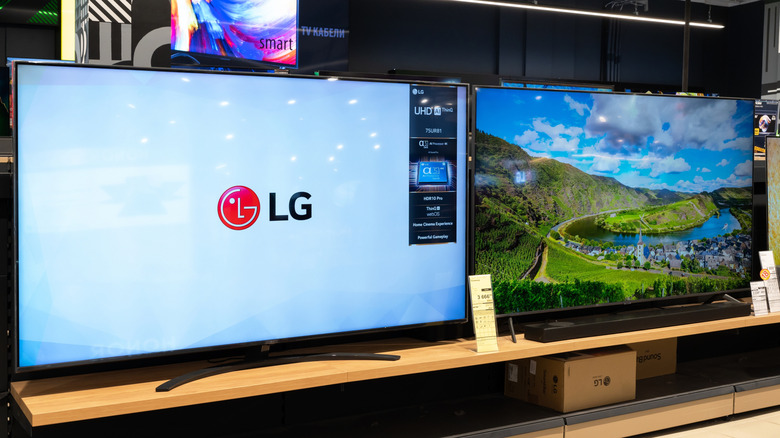
WOLED stands for White Organic Light-Emitting Diode. Unlike a standard OLED TV, a WOLED produces white light that passes through red, green, and blue color filters to create colorful on-screen images at a fast response time. They also use an additional white subpixel to boost brightness. These unique factors are why LG WOLED monitors are worth it for many buyers, but they don't quite explain why they are the only ones experiencing such a rampant edge rot problem.
The specific TVs that were observed to develop edge rot in the Rtings accelerated longevity test were WOLED displays manufactured by LG, Sony, and Vizio. Both Sony and Vizio have been known to source WOLED panels from LG, so it's possible that all of the affected TVs were exposed to the same manufacturing conditions that may have caused contamination or encapsulation defects. Rtings is uncertain whether edge rot will affect newer WOLEDs.
According to the Rtings team, "there are indications from industry experts that panels manufactured from 2024 have had significant improvements that should help prevent this issue." Rtings still vouches for WOLED TVs as being a great pick for reliability. It's worth noting, though, that none of the QD-OLED TVs used during the accelerated longevity test experienced edge rot. This could be a factor to keep in mind when deciding between WOLED and QD-OLED for your display.