

9 Electronics You Should Really Never Buy Used
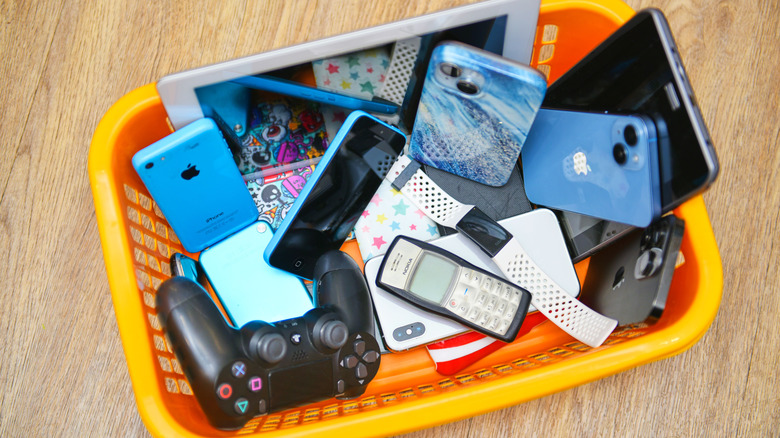
With global pressure on components such as memory and storage devices, it's no wonder that many electronic devices are going up in price. Even if something isn't directly affected, some modern gadgets are so stuffed with high-tech features that their prices will always be more than you'd strictly want to pay.
However, technology can giveth and taketh away. Thanks to online marketplaces like Facebook Marketplace, Craigslist, and the like, you can easily find deals on used electronics. Most of the time, as long as you're careful, you can get some amazing deals on perfectly good stuff, and there's absolutely nothing wrong with saving money by opting for a used gadget.
However, unless there are special circumstances, there are some electronics we don't think anyone should buy used — either because it's too risky or just a bad deal in general. We'd never presume to tell you what to do, but if you're considering one of these items in used form, think twice or even three times before you go through with your purchase.
1. Wearables wear out too fast

Wearable technology is pretty common these days, and no one looks twice at someone with a smartwatch checking messages or measuring biometric data like heart rate and blood oxygen, which is now easy to do on your Apple Watch. That means you can often find older, used wearables for a decent price, which might seem like a good way to step into the world of fitness tracking and smart notification management.
However, there are a few factors that might give you pause before you buy a wearable that has been previously worn by another person. The first issue that's worth raising relates to the batteries in these devices. By necessity, these devices contain small lithium batteries that degrade a little with every recharge. Most wearables have to be recharged frequently. Consequently, you'll only get a few years of use — maybe less — before the internal battery is significantly degraded. In some wearables, the batteries are either not replaceable, or the cost of doing so doesn't justify replacement.
Wearables that require water- and dust-proofing (this ingress protection is expressed as an IP rating) also experience degradation in these seals over time through normal wear and tear or previous repairs. If you're buying a wearable device with an eye on taking it into wet or dusty conditions, you could be looking at a device that's not going to last very long. Finally, some wearables cannot be set up by a new owner unless the previous owner has deregistered the device from their online account. This makes buying these devices online sight unseen rather risky without buyer protection.
2. In-ear heaphones are too personal to buy used
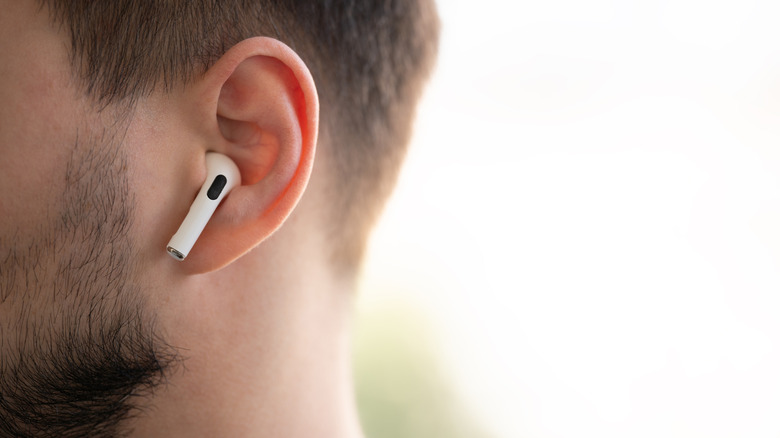
The loss of headphone jacks on phones has been divisive, to say the least, but the advent of true wireless earbuds has proven quite popular. The Apple AirPods are one of the best-selling products for the brand, and there's no shortage of other companies that have followed suit. If you're going to go wireless, you might as well go really wireless!
With such a popular class of product and new shiny models coming out all the time, it's no surprise you'll see plenty of wireless buds for sale on the used market. It might feel like the perfect way to finally get your hands on that pricey set of earbuds you've always wanted. However, there are several good reasons to avoid wireless buds on the used market entirely.
The obvious one worth mentioning is hygiene. Even if you replace the silicone ear tips, there's no real way to properly clean buds that have spent time soaking in the earwax of the previous owner. Perhaps this doesn't bother you personally, which is fine, but it gives us icky feelings. A more universal, objective reason to avoid buying them used comes down to battery degradation. Besides a few relatively rare exceptions, the batteries in these buds aren't replaceable, and in many cases disassembly is destructive. So perhaps consider a new set of cheap wireless earbuds that don't skimp on comfort or quality.
3. SSDs are expensive, but used ones cost more down the line
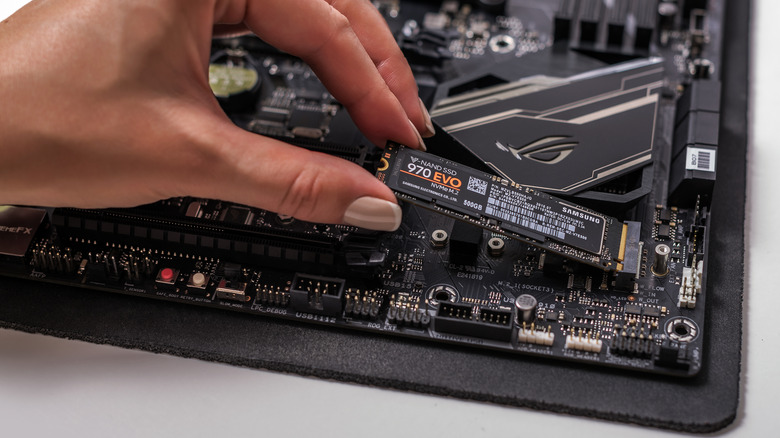
Solid-state drives (SSDs) have revolutionized computers and devices such as tablets and smartphones. Compared with hard drives, SSDs are faster, much more compact, and in most ways more robust. Yet SSDs comes with their own set of downsides. The main issue is that every time you write data to an SSD, you degrade the memory cells that are erased and rewritten just a little. Eventually the drive reaches its maximum write endurance, and it's the end of the line for that SSD.
With SSD prices going up, it's more tempting than ever to sate your appetite for storage by picking up a used drive, but the various factors make buying a used one a bit of a minefield, namely that SSDs are a poor choice for long-term reliability. With most SSDs you can extract a record of how much data has been written and get an estimation of drive health, but even an SSD that shows 100% health can fail because the conditions it was being run under matter too.
In particular, high heat speeds up the degradation of memory cells, so even if a drive hasn't written a lot of data, it can fail without warning if it's been running too hot. If you are set on buying a used SSD, ask the seller to relay the total number of terabytes written (TBW) and favor drives that have a heatsink attached, since these are less likely to have run hot.
4. Drones might crash right into your wallet
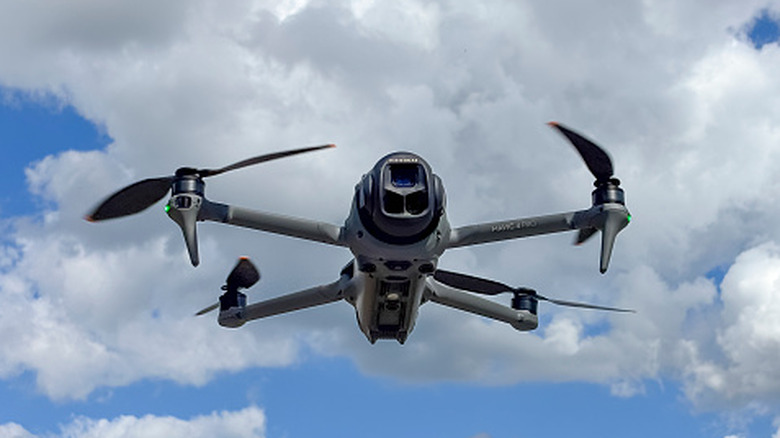
Drones are amazing devices and easier to operate than ever. Unfortunately, they're also still relatively expensive, which might make a used model tempting to buy. The thing is, though, drones are also aircraft that may be used in risky conditions and have many fragile moving parts. That means you shouldn't think of a drone the same way you do when buying a TV or a stereo, but more like buying a used helicopter or plane.
It's hard to know whether a drone has been in a crash just by looking at it. Nor can you always know how many hours the motors have run. Some brands let you pull flight logs from the drone to see the total hours and whether there were incidents or errors. Drone batteries that aren't internal should pose no problem to replace, but they do tend to be expensive. And if the drone itself has lots of hours logged, it likely means the batteries have lots of wear too. If the batteries are close to needing a replacement, the money you save on the used drone might no longer represent a good deal.
Buying a used drone sight-unseen with no buyer protection can be an expensive mistake too, since there might be account-binding issues or calibration problems that will only show up during a test flight. Also, keep in mind that the latest cheap but reliable drones that Amazon users swear by can outperform some older higher-end models from a few years ago, so look at specs, not just model names!
5. Used robot vacuums suck
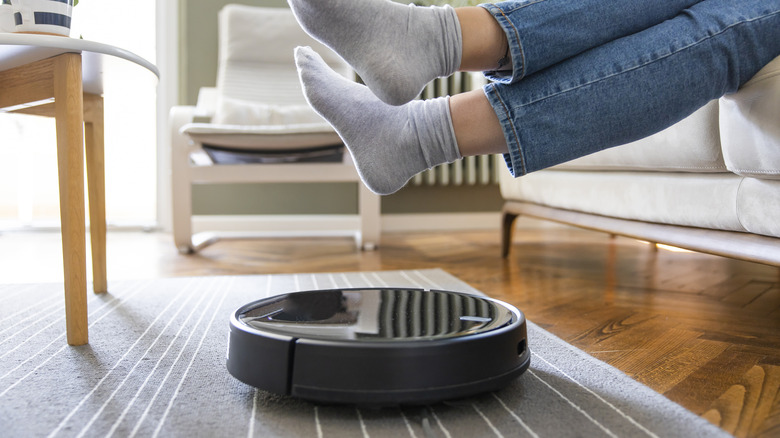
It's a small shock to realize that the first Roomba was released all the way back in 2002. Robotic vacuums are now a common sight in houses and apartments all over the world. This also means there are more than two decades' worth of robot vacuum cleaners out there, some of which are going to make it onto the used market. Should you consider it at all?
Like all devices that run on lithium batteries, battery degradation is likely to be a major concern, especially since these vacuums are always charging and often run on a daily basis. There's a good chance some older models of vacuum won't have access to original parts, even if the battery is replaceable. Speaking of parts, motors, rollers, filters, and so much else in a robot vacuum cleaner needs eventual replacement, and assessing how close your used machine is to needing new parts can be hard.
But in many ways, the hardware part of the equation is the least of your worries. Software support is much more important. Specifically, does the manufacturer still support this older vacuum? Is there still an app for it, and will it work with current smart-home systems from major players such as Apple and Google? Potentially concerning is the small (but real) possibility that a used robotic vacuum might be infected with malware, although that's a risk with many modern smart-home devices.
6. Used Chromebooks can teach you a hard lesson
Chromebooks are popular in education and some business settings, thanks to great centralized control and affordable hardware. These plucky budget laptops are all over the place, and you can even buy more premium models these days, although they are still running the same old limited ChromeOS software. Assuming you know what you're getting into with Chromebooks as a whole, is it a good idea to buy a used model?
Overall, we wouldn't recommend it. Apart from the usual issues with models that don't have removable batteries (this is not a Chromebook-specific problem, by the way), the fact is that Chromebooks are built to a tight budget, so the specifications and performance were already at the low-end when they're brand new. By the time you see one on the used market, it's unlikely to give you a great experience running apps and browsing the web. The new Chromebook Plus has greatly improved the base specs, so it's almost always better to buy a new Chromebook Plus than a used vanilla Chromebook.
Hardware aside, the biggest issue with used Chromebooks is the auto update expiration (AUE). This is the date that the specific model of Chromebook will no longer receive system updates and should be retired due to security concerns. You can extend this expiration date, but that comes at the cost of giving up certain features, such as Android app access. Chromebook Plus models from 2024 and onward have much longer support cycles and are a better option used or new.
7. Used OLED TVs aren't a bright idea
OLED TVs represent the best of display technology, with true blacks, infinite contrast, and great colors. However, there's a huge difference in refinement between early OLEDs and the latest models. The technology has advanced by leaps and bounds, so when you see an older, used OLED TV, you need to manage your expectations, especially if your experience has mainly been with the newer forms of this technology.
There are some major disadvantages to OLED TVs you should know about. First, they are susceptible to "burn-in" or image retention. The organic elements in the pixels degrade over time, and if there's a big difference in the wear level (e.g. if there's a channel logo or other fixed element in the frame) for a long time, this will show up as image elements permanently burned into the screen. This is something you absolutely must check in-person before buying a used OLED TV. The other weakness is a lack of brightness, and this gets worse with age as OLEDs dim over time.
The last reason it's best to avoid used OLEDs is that the technology itself has significantly come down in price. The best budget OLED TVs according to experts (like LG's B-Series) are just as good if not better than OLEDs that are a few years old on the used market. They come with newer panel protection technologies and a warranty should the panel fail soon after purchase. That's something you don't get buying an old OLED from the back of someone's van!
8. Used action cameras might have a dodgy past
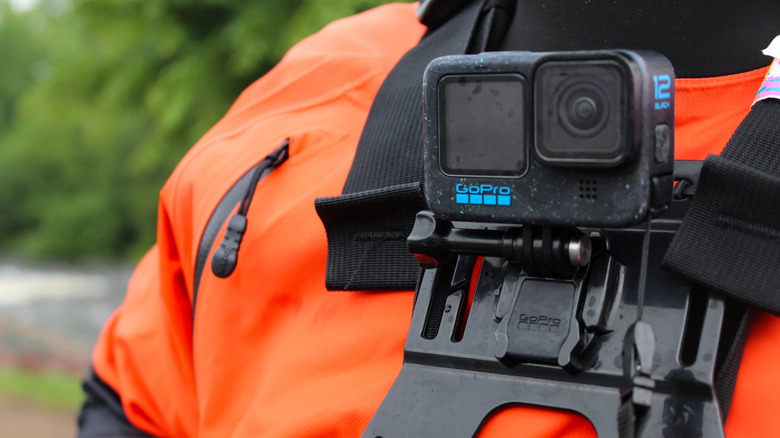
Action cameras are a popular item on used electronics marketplaces, as people either stop needing them (hopefully not from an injury!) or upgrade to newer models. You can often pick one up for a steal, but buying a used action camera shares many of the same pitfalls as buying a used drone. There's a good chance the camera's had a rough-and-tumble history, and that might not bode well for a long second life in your hands.
Batteries aren't a major concern here, since they are usually removable and easily replaced. If the camera is quite old, then suitable batteries may no longer be for sale. Software support is also a big worry, especially from lesser-known action camera brands that may have stopped updating the camera's mobile app, rendering it largely useless.
The dust- and water-proofing seals are also something you cannot check by eye or easily test before purchase. If they've been compromised through previous repairs, normal use, or age, you may have a dead camera on your hands the first time you use the device for its intended purpose.
9. IP security cameras could be a risk
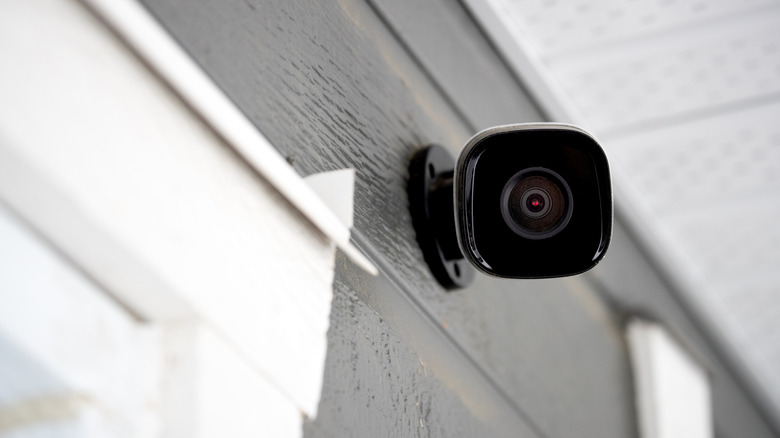
There's nothing wrong with upgrading your home security by using smart technology, but at the best of times internet protocol (IP) cameras don't have the best reputation. When buying a new IP camera, it's imperative to stick with known brands with a clean bill of health when it comes to privacy and cybersecurity.
When looking at used IP cameras, all bets are off. Even if it's a good model from a reputable brand, once it's been in the hands of a third party, there's no way to know whether the camera has been compromised. It's not worth saving a few dollars on a camera, only for it to act as an entryway for someone to spy on you or infect other devices on your network with malware.
Apart from this rather serious issue, you may also have to deal with old firmware, a lack of security or software updates, and account-binding problems if the previous owner didn't deregister the device. Good IP cameras aren't that expensive when new, so we can't recommend buying them used for anyone except a cybersecurity expert who'll probably refuse to use IP cameras on principle anyway.