

10 Electric Vehicles With The Worst Range In 2026

Good range is important for an EV. Most people won't restrict themselves to city driving, and cross-country road trips can become quite challenging if an electric car doesn't have the juice to travel great distances. Sure, EV chargers are becoming more commonplace — with the Tesla Supercharger network being a notable highlight — but you cannot recharge a battery the way you refill a gas tank.
This is why any electric vehicle with a low range is a hard sell. For the most part, 2026 EV models have done a decent job of addressing this problem, barring a few exceptions. Unless you're buying an EV for light use, these cars will be too frustrating to deal with. Keep in mind that most of these cars have lower ranges in their base models, and you can always increase your budget by a smidge to purchase a better model that doesn't suffer from this problem.
Mini Countryman Electric
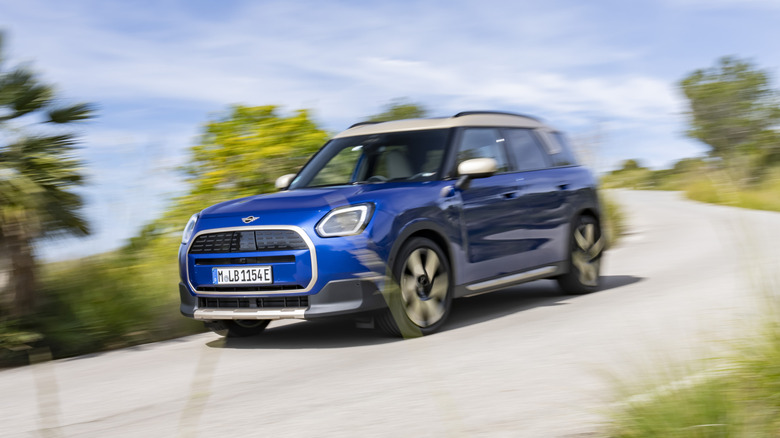
For an electric compact SUV, the Mini Countryman Electric's lacklustre range is criminal. The EPA estimates range at just 212 miles, which makes the car hard to recommend despite its solid performance and features.
The classic Mini look ensures that the Countryman Electric has a striking design that will appeal to many car enthusiasts. The cabin is spacious and equipped with an infotainment screen featuring a responsive 9.4-inch touchscreen that supports both Apple CarPlay and Android Auto. While the infotainment system's overindulgent graphics and a silly number of drive modes can be a bit overwhelming, it won't take long for drivers to get used to this system.
Ultimately, it's the low 212-mile range that may be the dealbreaker, especially when you're spending $45,200. The lack of a frunk — something that most people take for granted in EVs — and a disappointing 0 to 60 acceleration speed of 4.8 seconds are also worth considering, but that didn't stop the 2026 model of the Mini Countryman Electric from getting a solid 8 out of 10 score on Car and Driver and an above-average score on Consumer Reports. Clearly, the Countryman is a pretty good EV, even if its range falls short of its competitors.
Fiat 500e
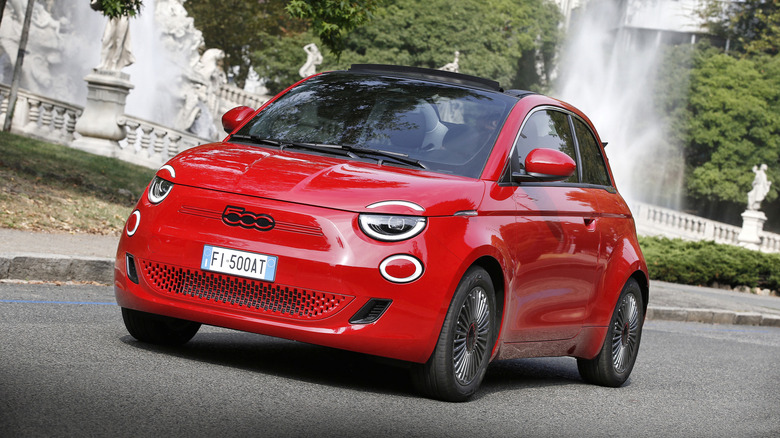
The Fiat 500e might look good, but beware of the many caveats that may not sit right with you. Car and Driver's rating of 6.5 out of 10, along with an abysmal score on Consumer Reports for the 2025 model, are both major indicators that illustrate how problematic this EV is for some.
Range is a central problem for the Fiat 500e. 149 miles is unacceptably bad and makes the Fiat 500e the lowest-range 2026 model on this list. The $37,695 price tag seems affordable, but other cheap EVs worth buying, like the Nissan Leaf and the Chevrolet Equinox EV, offer better range at lower prices.
Consequently, the Fiat 500e becomes a challenging car to recommend for any consumer. There is nothing to highlight beyond its good looks and easy maneuverability. Since it's a small car, the interior is pretty cramped and uncomfortable, especially in the back. Charging speeds are also nothing to write home about. Even with DC fast charging, the Fiat 500e takes almost an hour to go from 10 to 90%. Buy this car only for quick grocery trips and the like, since it's unsuitable for most other driving scenarios.
Hyundai IONIQ 5
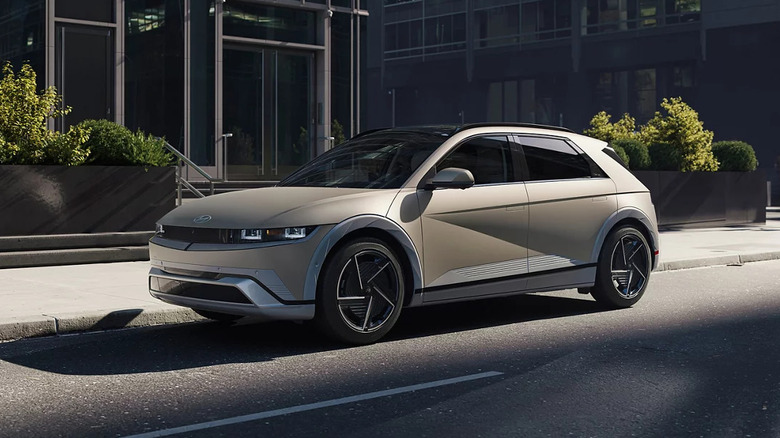
Most people will be surprised to see the Ioniq 5 here, especially since it's one of the most popular and beloved electric vehicles around. A high score on Consumer Reports, a rating of 8.3 out of 10 on Edmunds, and a perfect rating on Car and Driver make it clear that this EV has few faults to speak of.
However, while most Ioniq 5 models have a great range, the cheapest Standard trim only manages 245 miles. This is because the Standard SE Range uses a 63kWh battery to power the vehicle, a notable step behind the larger 84kWh battery used in every other model. Thankfully, the price difference isn't massive — the base model costs $35,000, while the next tier, an SE RWD, is $37,500. Even if you're seeking out the cheapest electric vehicle you can buy on a budget, it would be prudent to shell out an additional $2,500 on an Ioniq 5 with better range.
Keep in mind that the all-wheel drive variants have a lower range since they use more power, although 290 miles is still quite impressive. This, coupled with an amazing DC fast-charging speed that goes from 10 to 90 percent in just half an hour, a 0 to 60 acceleration time of 4.7 seconds in the dual-motor models, and a quiet cabin, makes the Ioniq 5 an easy car to recommend for prospective EV owners. Again, avoid the base model unless you're comfortable with a 245-mile range.
Toyota bZ
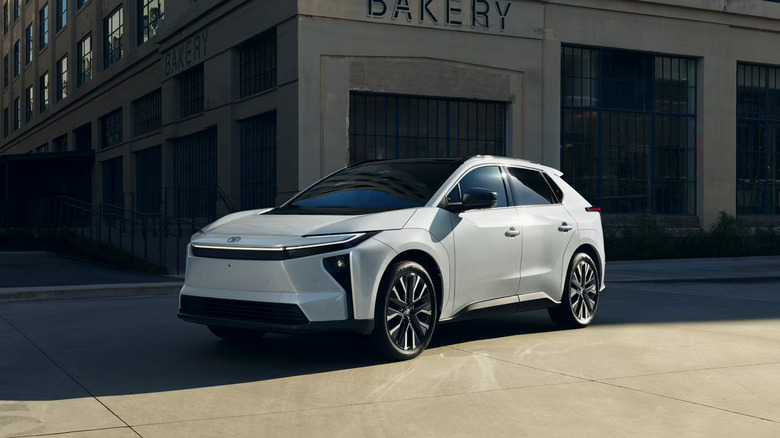
Toyota ditched the complicated alphanumeric nomenclature for the 2026 bZ, which isn't the only improvement. First, upgraded electric motors boosted horsepower for the all-wheel drive variants. Also, the inclusion of an NACS (North American Charging System) port means that the bZ now supports the Tesla Supercharger network.
These improvements — along with a new look — have helped the Toyota bZ become a far more appealing package. The 2025 Toyota bZ4X received a 5.8 out of 10 rating on Edmunds, while the 2026 bZ fared better on Car and Driver with a respectable 7.5 out of 10 score.
For the most part, these upgrades make the Toyota bZ worth considering if you're in the market for a new EV. Unfortunately, the base XLE model's battery is only 52kWh, meaning that this trim has a range of only 236 miles. As a result, this compact SUV may not be the best pick for heavier use, unless you spend more on the XLE Plus or Limited trims. Compared to the $34,900 price point for the XLE, the XLE Plus costs $37,900. $3,000 isn't a paltry sum, but this upgrade is worth considering if you don't want to drive an electric compact SUV with mediocre range.
Dodge Charger Daytona EV
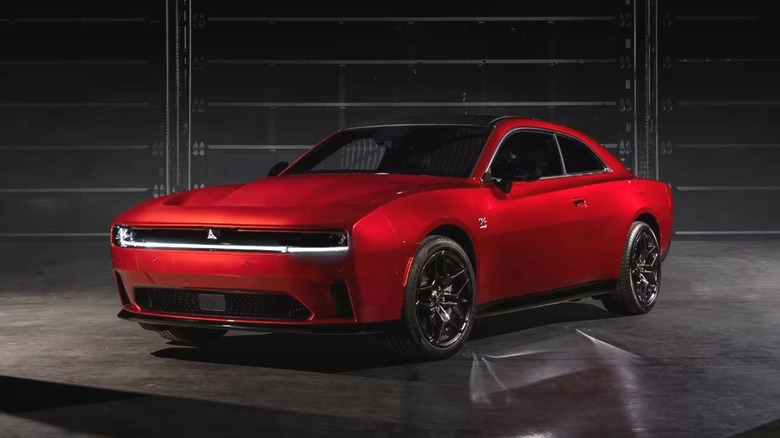
The Dodge Charger Daytona EV is easily one of the most polarizing cars on the market. Edmunds gave the Charger a harsh 5.8 out of 10, while Car and Driver found much to admire in their 8.5-rated review. An electric muscle car is a unique proposition, and Dodge's commitment to delivering this EV is commendable. With its sleek looks, amazing interior, and a powerful electric powertrain that helps this car go from 0 to 60 mph in just 3.3 seconds, the 2026 Dodge Charger is exciting.
However, there are two major problems. Firstly, the $49,995 starting MSRP is very high and makes it a tough sell if you want a value-for-money EV. Secondly — and perhaps the biggest issue — is the Daytona's range. 241 miles is far from optimal at any price, let alone 50 grand.
Mercedes-AMG EQE SUV
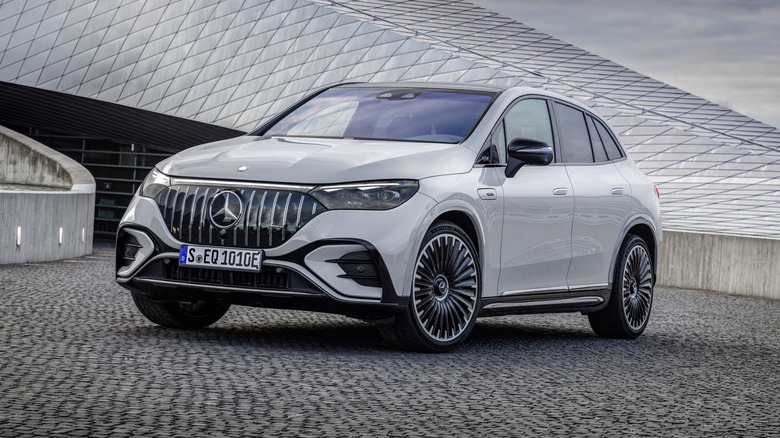
Amazing suspension, 3.1 seconds to 60 mph, and a high-end cabin all help the Mercedes-AMG EQE SUV stand out as one of the best luxury electric SUVs. It's a sentiment echoed by reviewers, as seen in the 8 out of 10 rating on Car and Driver, a 7.6 out of 10 on Edmunds, and a decent Consumer Reports rating. However, as great as this car may be to drive, range is one area where it falls short.
There's no sugarcoating it — for a luxury EV, a 230-mile range is far from ideal. Sure, you can opt for a higher-end model, but be prepared to fork out more cash to enjoy a higher range. That being said, Mercedes has stated that the EQE can gain 100 miles of range after 15 minutes' charge, so the base model may be adequate. This SUV's luxurious comfort and state-of-the-art technology will attract many prospective buyers — just don't ignore the range question.
Genesis Electrified GV70
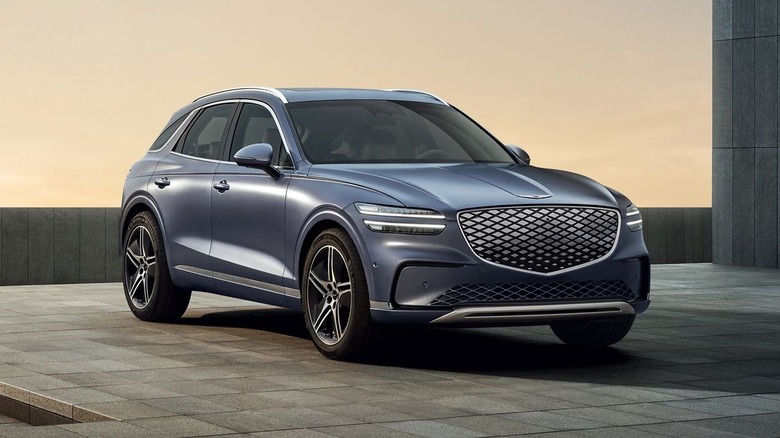
This American-made electric luxury SUV has wowed critics, with a 7.9 out of 10 score from Edmunds, an 8.5 out of 10 rating from Car and Driver, and a great Overall Score on Consumer Reports. A spacious interior, comfortable cabin, and a drive that's both enjoyable and quiet all bolster the marque's luxury qualities. Furthermore, a generous helping of driver assist features and an excellent 0 to 60 mph in just 3.8 seconds make this one of the most satisfying luxury electric vehicles you can get your hands on.
However, before signing the dealership paperwork, consider the GV70's range. Despite being fitted with a larger battery for the 2026 model, the SUV will go no further than 263 miles on a single charge. If you use the optional 20-inch wheels, this suboptimal range drops another 20 miles. Competitors offer more in the $60,000 bracket. Still, aside from this major drawback, the Genesis Electrified GV70 is a strong purchase if you're looking for a competent luxury EV.
Lexus RZ
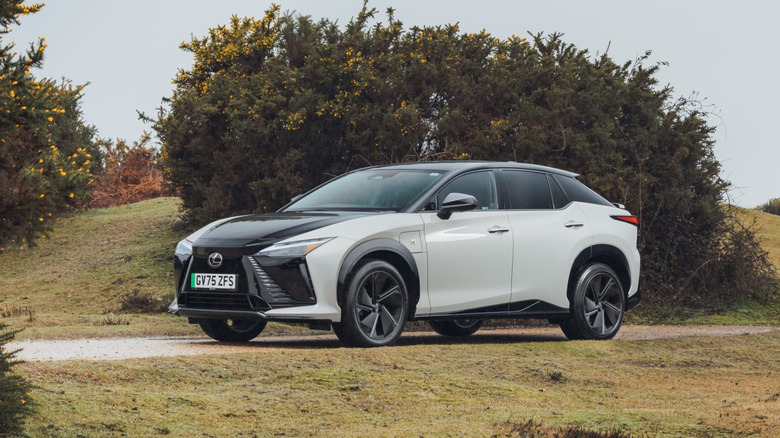
Limited range has been a consistent issue for the Lexus RZ, spoiling an otherwise commendable luxury EV. Lexus has addressed these complaints for the 2026 RZ, and it has earned 7.5 out of 10 from Car and Driver and a great Overall Score on Consumer Reports. With upgraded electric motors, Tesla Supercharger compatibility, and a larger 74.7kWh battery pack, the Lexus RZ has become a competent and reliable luxury electric SUV. Range has improved considerably for the base models, which can reach around 300 miles on a full charge. So, why is this car being singled out for its low range?
Well, the 2026 lineup includes an F Sport model. It's a performance beast with a whopping 408 horsepower, improved suspension, 20-inch wheels, an altered front grille, and even a spoiler to make it feel like you're behind the wheel of a race car. Naturally, all this performance demands battery power, which is why the RZ F Sport has an estimated range of 229 miles. By all means, buy this sporty model if practicality isn't a concern. Otherwise, you're better off with the standard model.
Volvo EX30
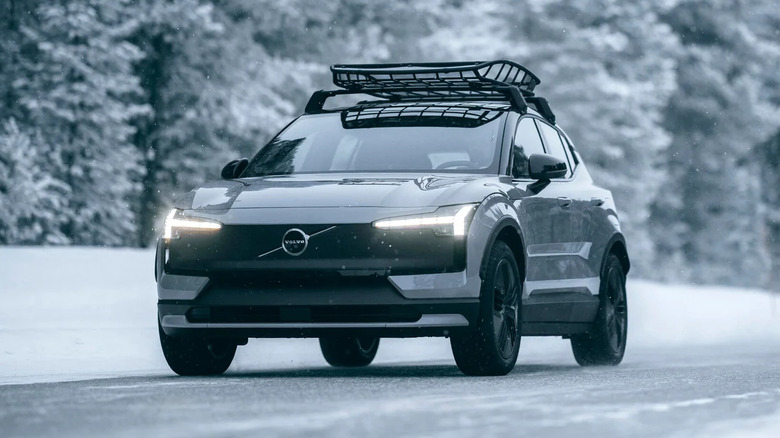
The Volvo EX30 is a bit of an oddball to recommend. Despite getting an impressive 8.5 out of 10 score on Car and Driver, the car hasn't fared well with other reviewers. It got a painfully average 5.6 out of 10 rating on Edmunds, along with a similarly poor Overall Score on Consumer Reports.
Sure, $44,900 is a very appealing price point for a luxury EV, and the Twin Motor model's 3.3 seconds to 60 mph is excellent, but there are some notable drawbacks to keep in mind. The cramped rear seats, a lack of cargo space, and limited in-cabin tech are notable, but it's the range, or lack thereof, that really holds the EX30 back.
The Twin Motor models can go up to 253 miles on a single charge, while the Single Motor model sacrifices performance for a slightly higher 261-mile range. However, it's the Cross Country model that truly suffers in this department, with a lackluster 227-mile range. If you drive this vehicle with 18-inch wheels, the range drops to just 203 miles. This compromise can be a bit too much for off-roading drivers, so you may want to look elsewhere.
Mercedes-Benz G-Class EV

At $153,900, the Mercedes-Benz G-Class EV is the most expensive EV on this list by a country mile. This off-roading behemoth is a status symbol for many, and it helps that the G-Wagon boasts all the bells and whistles that one would expect from one of the most luxurious electric SUVs on the market. Timeless style and the mind-blowing quad-motor performance belting 579 horsepower make the G-Wagon a blast to drive. Still, for all its perks, there's one major compromise that aspiring G-Class EV owners will have to make.
Operating four electric motors is no joke, which is why the G-Wagon has a 116kWh battery pack to supply this power. Despite the battery's massive capacity, the G-Wagon is so demanding that its range is a paltry 239 miles. This makes cross-country trips a challenge, but the G-Wagon's thunderous performance should offset any range anxiety.