

7 Products Apple Already Discontinued In 2026
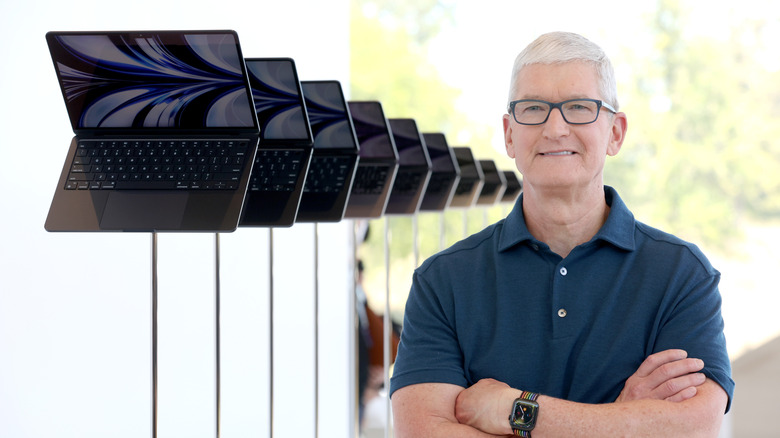
It's only March, but Apple has already discontinued seven products this year. We expect this to be a big year for the company, and we've already seen 20 leaked Apple products to look forward to in 2026. This also means there are a lot of old products that will be discontinued from the lineup. In January, Apple stopped selling its first-generation item tracker in favor of a new AirTag with several important improvements. Then in March, the company announced several new products that are replacing previous generations.
In the span of a few days, Apple announced the all-new iPhone 17e with MagSafe charging, a new MacBook Air with an M5 processor, M5 Pro and M5 Max variations of the MacBook Pro, and a really cheap laptop line called the MacBook Neo that will be available on March 11. As if these releases weren't enough, Apple also introduced the iPad Air M4, which is being launched only a year after the M3 option was introduced, and two new displays that expand the Studio Display brand while killing the Pro Display XDR line. Here's everything you need to know about these discontinued products and their successors.
First-generation AirTag
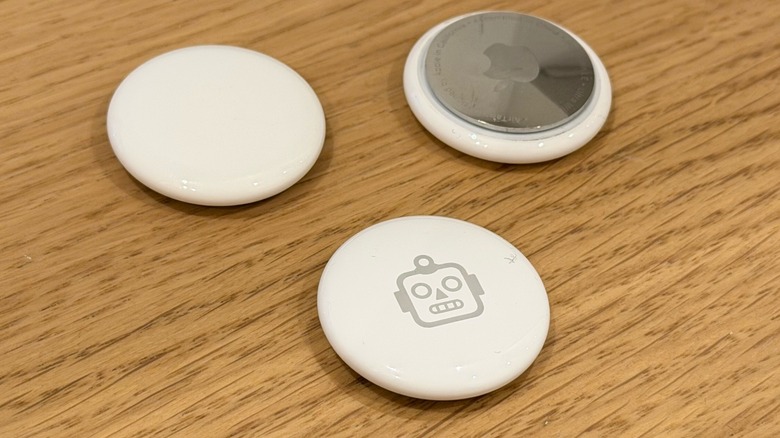
Apple introduced the first generation of its item tracker, the AirTag, almost five years ago. At that moment, the world was struggling with a pandemic, so finding lost items while stuck at home felt a bit weird. Still, as life slowly got back to normal, the item tracker started to make more sense, as it could be attached to backpacks, luggage, keychains, and other belongings. Eventually, it even became commonplace for AirTag users to put them inside their vehicle or a nice jacket they didn't want to lose.
From the first generation to the new one, not much has changed. Second-generation AirTags still rock the same circular design with a removable coin cell battery, but Apple improved Precision Finding by adding a second-generation ultra-wideband chip to the device, expanding the range up to 1.5 times further than before. The new generation also added a louder speaker, which makes it easier for people to discover an AirTag nearby or find the ones they lost.
Perhaps the biggest change in the new generation is that Precision Finding is now available on the Apple Watch, provided both the AirTag and the watch are new models. The company has also improved the reset process on the AirTag while maintaining the same price as before: $29 for a single unit or $99 for a pack of four.
iPhone 16e
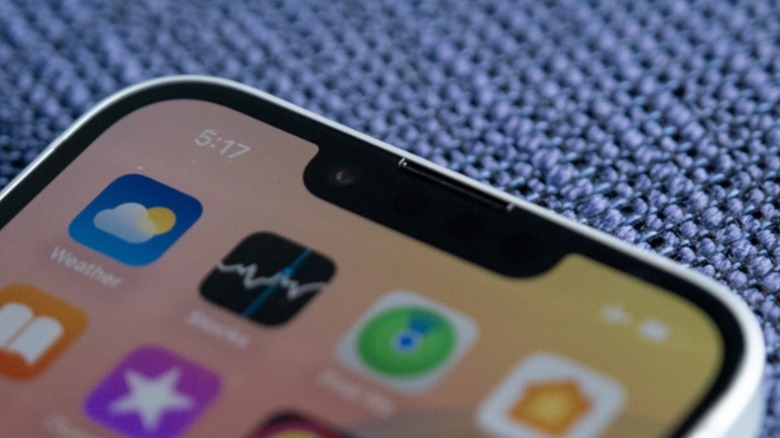
Introduced in early 2025, the iPhone 16e was the spiritual successor to the iPhone SE. While Apple made its cheapest iPhone a bit more expensive in this iteration, it also tried to make it feel more like a part of the current generation of iPhones, much like Samsung does with its FE models. However, when Apple unveiled the iPhone 16e, it felt somewhat out of place, as it had a lower-binned A18 chip, a single 48 MP main camera that wasn't the same as the base iPhone 16 model, and lacked MagSafe charging, which had been available on all main iPhone models since the iPhone 12. Not only that, but the iPhone 16e still lacked the Dynamic Island design of the other models.
Apple was able to address many of those issues with the new iPhone 17e. The budget model now includes MagSafe support and the Ceramic Shield 2 technology introduced with the iPhone 17 lineup. It even features the same C1X 5G modem chip as the iPhone Air. It still has a lower-binned A19, cameras that aren't as good as the rest of the lineup, and an iPhone 14-era camera notch, but the iPhone 17e now feels closer to a proper mainline iPhone — not just an SE variation.
M4 MacBook Pro and MacBook Air
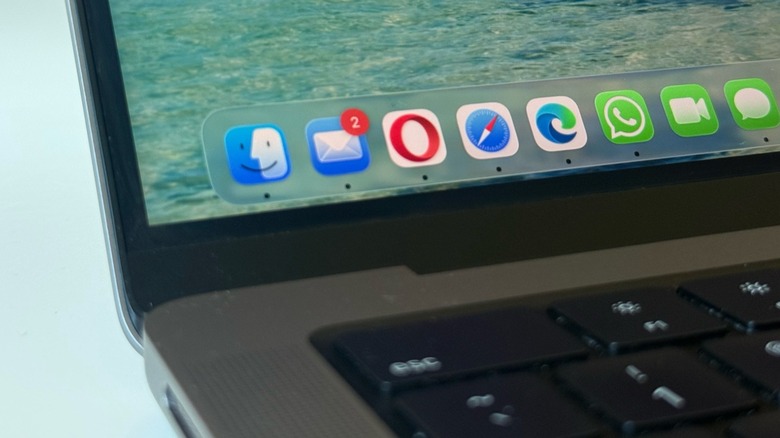
With its early March announcement, Apple also discontinued some MacBook products with the M4 chip, as it no longer sells the MacBook Air M4 or the MacBook Pro with the M4 Pro and M4 Max processors. These laptops represented a big leap for the lineup, as Apple introduced a new Sky Blue color, added a 12 MP webcam, and made the MacBook Air M4 cheaper with a starting price of $999. With the MacBook Pro M4 Pro and Max models, the company added a nano-texture option for the first time, in addition to an improved, brighter display.
With the M5 generation, Apple isn't focusing on external changes, as the incoming models look almost identical to the outgoing ones. However, the M5 chip offers a different GPU with Neural Accelerators built into every core, which Apple says will greatly improve graphics performance. Specifically for the M5 Pro and M5 Max, the company fundamentally changed its silicon with a new Fusion Architecture, which allows it to connect two dies into a single chip, creating new possibilities to scale GPUs.
Some buyers may want to wait for the rumored MacBook Pro redesign later in 2026, which could include touchscreen capabilities and 5G connectivity. But the M5 MacBook Air might be the perfect choice for those who have been hanging on to their M1 iteration since late 2020.
iPad Air M3
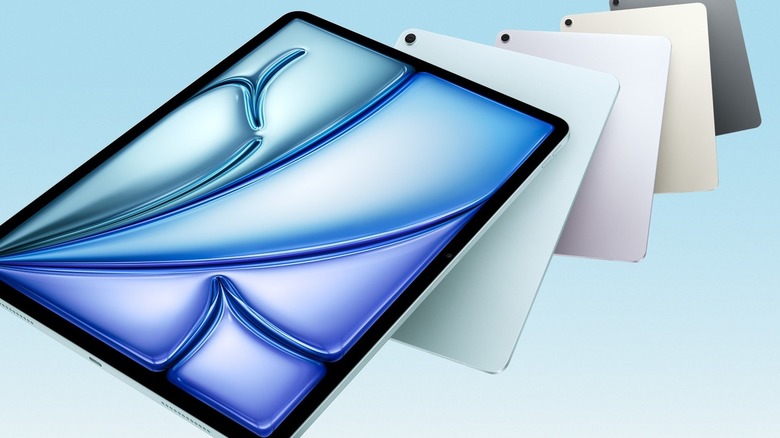
Despite being introduced only a year ago, Apple has already discontinued the M3 iPad Air, as it unveiled a new version with the M4 processor. From the outside, the iPad Air continues to look exactly the same since the M2 version, but Apple has made a few internal tweaks to the new M4 model. Besides a new chip, Apple also added its own N1 connectivity chip for this device and the C1X 5G modem for those who choose the cellular version. With these new components, the iPad Air gets more reliable AirDrop and improved connectivity features with other Apple devices.
However, what's interesting here is how quickly Apple has been updating the iPad Air lineup over the past two generations, especially when there weren't many differences from one version to the next. As a result, these new models are pretty much only significant upgrades for someone coming from a pre-M1 device. Otherwise, the capabilities presented with these devices are just too similar, and even the color options continue to be the same.
Apple touts the iPad Air line as great devices for students, but with a minimum $549 price point and many first-party accessories starting at over $100, this device might not be as enticing as the new MacBook Neo, for example. Still, Apple continues to update it, in case you want the latest chip possible.
2022 Studio Display and Pro Display XDR
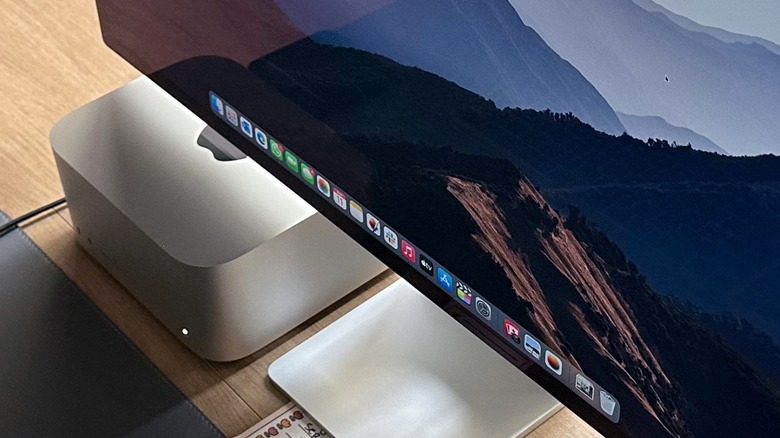
Finally, the most interesting products discontinued by Apple in early March are the 2019 Pro Display XDR and the 2022 Studio Display. The Pro Display XDR was unveiled at the last in-person WWDC keynote alongside the redesigned Mac Pro. At the time, Apple touted this display as something akin to a cinema's reference monitor, but at a more affordable price (still at least $4,999 for everyday users).
Over the following three years, this was the only monitor Apple would sell before it introduced the Studio Display alongside the Mac Studio in 2022. This option was a lot more affordable (yet still expensive), as it started at $1,599.
With the new Studio Display and Studio Display XDR models, Apple has moved all of its monitors under the same brand. While the cheaper version still lacks HDR and 120 Hz support, Apple addressed that with the XDR version. Compared to the Pro Display's 32-inch screen, the Studio Display XDR has a smaller 27-inch display area. Still, Apple was able to make this product considerably cheaper than the one it replaced while adding new features.
But these seven products are just the tip of the iceberg in 2026. In the coming months, Apple is expected to continue ditching current models as it refreshes other Macs, iPads, iPhones, Apple Watches, and more.