

10 Of The Biggest Ways Apple Changed Under Tim Cook
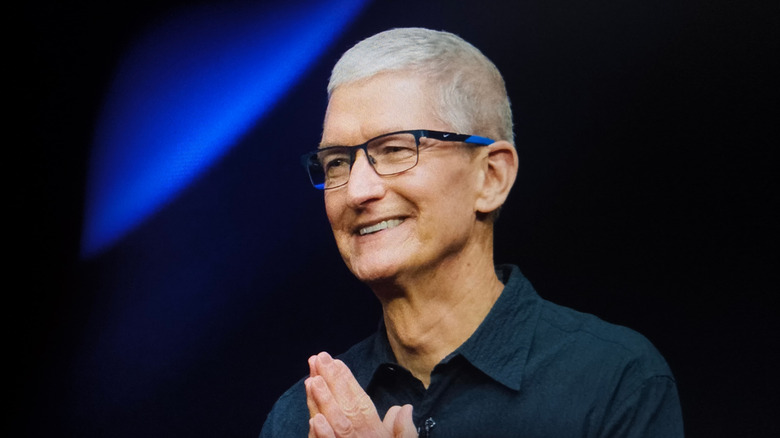
In April 2026, Apple announced that Tim Cook would be stepping down as CEO 15 years after taking the reins from Steve Jobs. John Ternus, who was the hardware engineering senior vice president, will officially take his place in September 2026. However, Cook will remain at Apple as the executive board chairman, which means he will have a say in the company's long-term strategy as well as big decisions.
Cook's 15-year tenure as CEO came with a lot of changes to the company as we knew it from the Steve Jobs era, generally for the better. One of Cook's most notable achievements was overseeing Apple becoming the first trillion-dollar company and achieving a $4 trillion market value in October 2025. To get to such levels, changes big and small were implemented, mostly in terms of hardware. With that in mind, here are 10 of the biggest changes that Cook oversaw at Apple.
Apple silicon chips replaced Intel
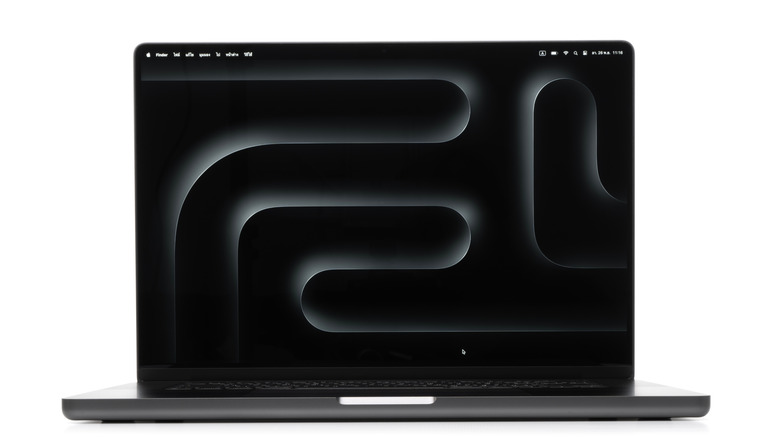
One of the biggest changes occurred in 2020, when Apple replaced Intel chips in its computers with its Apple silicon chips. These turned out to be astronomical upgrades tapping into the ARM-based architecture that made iPads and iPhones tick. The M1 to M5 MacBooks have proved themselves to be very power-efficient, super-fast, and heat-resistant even when pushed to the limit.
Besides all these great things, M1 series Macs are still kicking surprisingly well six years later, making the Apple computer a worthwhile investment. You can only imagine how good the latest iterations are, whether you're going for a MacBook, iMac, Mac mini, or Mac Studio. Base models easily outperform high-end Intel computers, especially in battery life and performance in creative workloads. Even entry-level MacBook Airs can now edit and export 4K videos in a flash. Cook oversaw Macs shifting from nice-to-haves if you like Apple to becoming no-brainers for video editors, developers, and students who want to get their tasks delivered without cooking their laps or desks.
Taking the iPhone modem in house
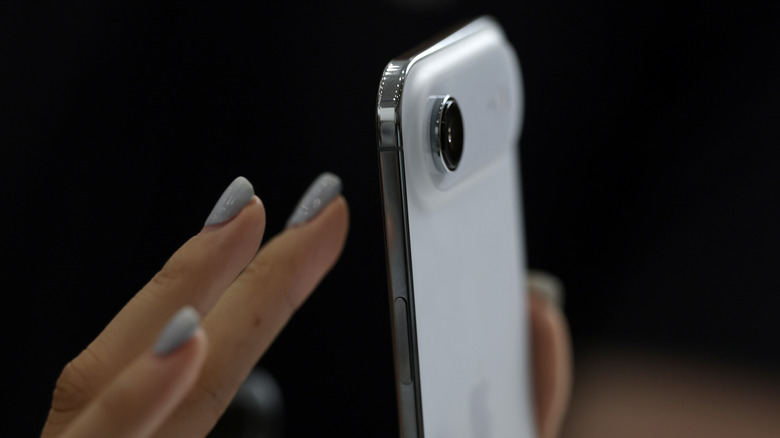
Another change Cook spearheaded and is expected to be felt over the upcoming iPhone cycles is Apple's strategic decision to start making their own 5G modems. The goal here is to move away from depending on Qualcomm for these modems. The first device to have Apple's C1 modem was the iPhone 16e, followed by the iPhone Air, which came with the newer generation C1X. This is just the beginning because the latest iPhone 17, 17 Pro, and 17 Pro Max still came with Qualcomm modems, but it would be a game-changer for Apple if it managed to move production fully in-house.
Apple taking full control of its own modem could mean even better iPhone optimization. For the end user, this could translate to better cellular coverage, better and more stable 5G connections, and potentially new features like satellite connectivity without having to wait on what Qualcomm has up its sleeve. However, such a bold move can be punishing since radio engineering isn't the simplest to deal with at mobile scales. But Apple's previous success with Apple silicon chips that we just saw suggests that the company could take that risk to escape reliance on another company.
New product categories that defined a decade
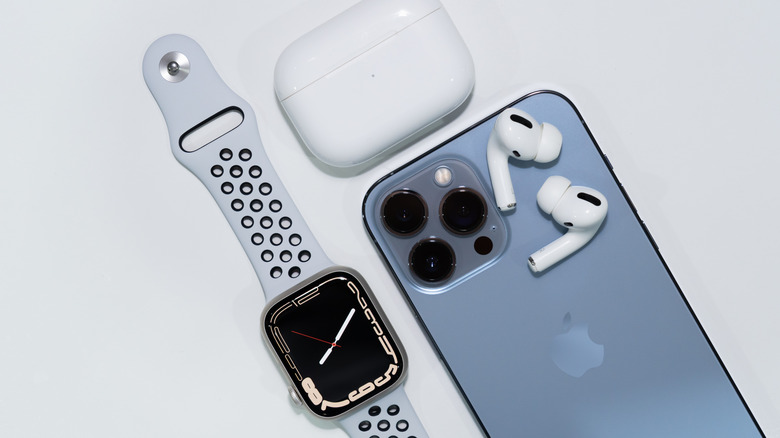
iPhones are Apple's bread and butter, but under Cook, the company launched entirely new product lineups — Apple Watch, AirPods, AirTag, and Vision Pro. All of these, except the Vision Pro, became staples for most enthusiastic buyers keen on having Apple's ecosystem. Despite their high price, AirPods are quite popular even among non-Apple users. They have improved over time and now even offer live translation to break language barriers efficiently.
The Apple Watch slowly became the default watch for many iPhone users, offering potentially life-saving health features like fall detection, crash detection, satellite communication, and ECG. AirTags are very effective at locating lost or misplaced items. They work off the back of the massive Find My network, powered by iPhones around you. The Vision Pro is a mixed bag among the bunch — it's a decent mixed reality headset, but its steep pricing may hold it back from becoming mainstream. However, it shows Apple's willingness to take a risk on spatial computing instead of allowing Microsoft and Meta to get an early lead in the space.
A genuinely budget MacBook
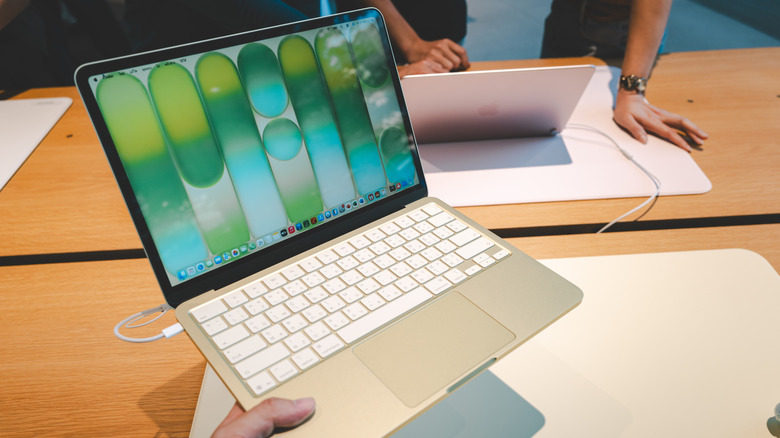
Apple finally released a computer that caters to people who want a MacBook but don't have the means or inclination for expensive M-series laptops. The 2026 MacBook Neo starts at $599, and this price goes even lower with a student discount.
What makes this a great deal is that it undercuts even the MacBook Air by hundreds of dollars while still offering the sturdy build quality Apple is known for, namely a sharp display, strong performance, and a great battery life. Despite sharing a chip with the iPhone 16, real-world use shows that the MacBook Neo doesn't feel like a compromise. It offers more than many Windows laptops or Chromebooks in the same price range.
The big deal here is that this new budget machine bolsters Mac's reach with first-time laptop buyers, students, and frugal spenders who've previously had to rely on low-end PCs or Chromebooks. Tim Cook leveraged the company's financial muscle to introduce a high-quality entry-level laptop with friendly pricing.
Saying goodbye to the iPod
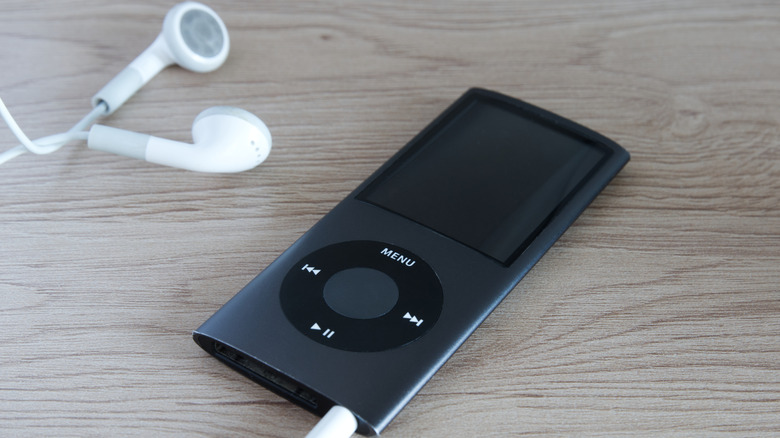
Apple finally pulled the plug on the iPod in 2022 with Cook at the helm, two decades after the music player's debut, which was a cultural touchstone of the 2000s. This product's retirement showed that the iPhone, music streaming, and Apple Music had fully eliminated the need for a dedicated music device.
Smartphones consolidate music and many other digital services; the iPod was single-purpose and obsolete. Cook's decision seems to have been rooted in a sharply declining demand for the iPod and hardware logistics. However, if you fancy owning an iPod for nostalgia, you can still own the iPod Touch or the old clicky ones on the second-hand market.
Apple TV became a serious streaming player
Before Cook's tenure, you had to rent movies via iTunes. Apple TV, established in 2019, is a smaller but serious player in the streaming services market. Apple TV's strategy revolves around quality over quantity — Apple focuses on big-budget movies like "F1" and "Napoleon" and prestige series such as "For All Mankind." There are also a number of other exciting upcoming Apple TV shows worth watching.
Despite having a smaller catalog compared to the likes of Netflix, some viewers swear by Apple TV original shows. A clear sign that viewers are actively invested in the platform. The Apple TV app also receives constant praise for how clean it is, and the Apple TV box hardware is another device that seamlessly integrates into Apple's ecosystem. Cook took Apple from selling one show at a time to wrestling with the big boys in home entertainment, leveraging great storytelling and seamless user experience to give it an edge.
Ditching Apple live events for prerecorded keynotes
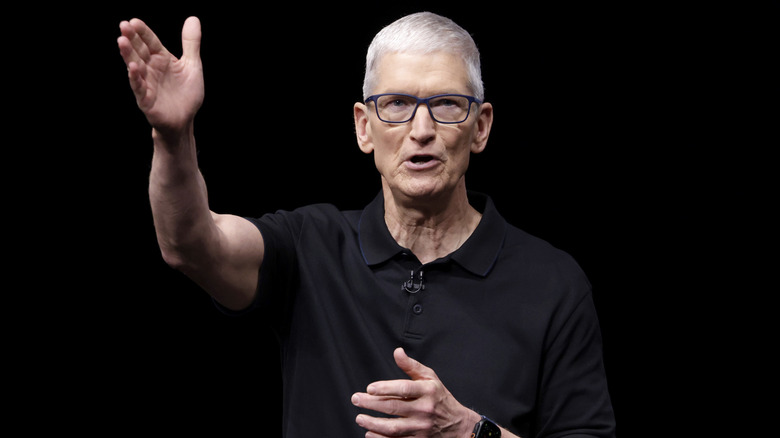
Live keynotes were the bread and butter of Apple announcements and product launches during Steve Jobs' era and the first few years of Cook's tenure. They were generally good but were always marred by technical hitches, chaotic stage shows, awkward transitions, and performance pressure on the presenters. The 2020 pandemic offered an opportunity for Apple to try something new, recording heavily edited presentations from the headquarters.
These recorded presentations were seamless and came without the previous live events' unpredictability. Apple has unveiled its latest products this way ever since. Longtime fans miss the live events, but from Apple's perspective, the new format eliminates the risk of glitches and offers clearer presentations within the shortest time possible. Also, Apple's executives who might not have the best stage presence won't have to work under the pressure of delivering a live performance. The current Apple video keynote approach is Cook's legacy, and whether his successor will bring back the live keynotes remains to be seen.
Apple hardware utilizing more recycled material than ever
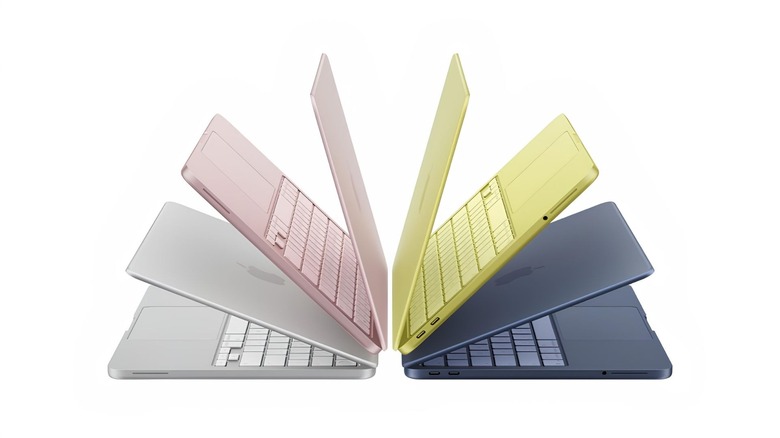
Since Cook took over the reins at Apple, there's been a clear commitment towards sustainability by incorporating recycled materials in all new products. For instance, in 2025, 30% of new Apple products used recycled materials. Plastic packaging also became a thing of the past for Apple products. Boxes are now made of easy-to-recycle fiber. Now there's always a worry of recycled materials compromising product quality, but that's not the case with even the newest Apple devices.
Take the new MacBook Neo, for example; it still feels like sturdy aluminum despite being 60% recycled by overall weight. The battery is made up of 95% and 100% recycled lithium and cobalt, respectively. These numbers make the MacBook Neo the lowest-carbon Apple device at the time of writing. Such an achievement is a clear indicator of Cook's and Apple's commitment to sustainability.
Apple became a multi-trillion corporate giant
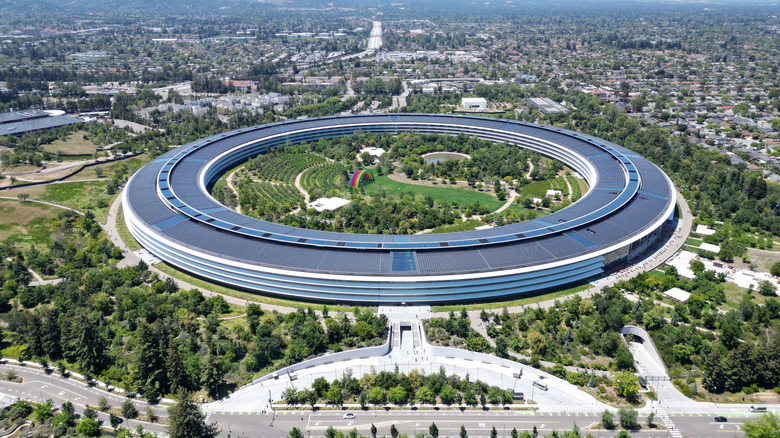
Apple's continued success in both hardware and software saw the company reach new financial heights. When Cook became the CEO in 2011, Apple was worth around $350 billion. Seven years later, it became the first publicly traded company to cross the $1 trillion mark, and it did not stop there. During the 2020 pandemic, this figure doubled due to hardware demand to cater to remote work. By the time of writing in 2026, Apple is worth $4 trillion. Revenue and profit have also gone up about four times what they were before Cook took charge.
A lot of things had to go right under Cook's stewardship to achieve this. Arguably, the most important one was the iPhone becoming the best-selling device in the world, toppling Samsung's 12-year dominance in 2023. He also oversaw the release of the Apple Watch in 2015, and it ended up becoming the best-selling smartwatch then and has been leading year after year to date. MacBooks continued to be a hit, too. Then there was Apple Music, iCloud, and Apple TV, which generated steady revenue.
A $600 billion bet on the United States
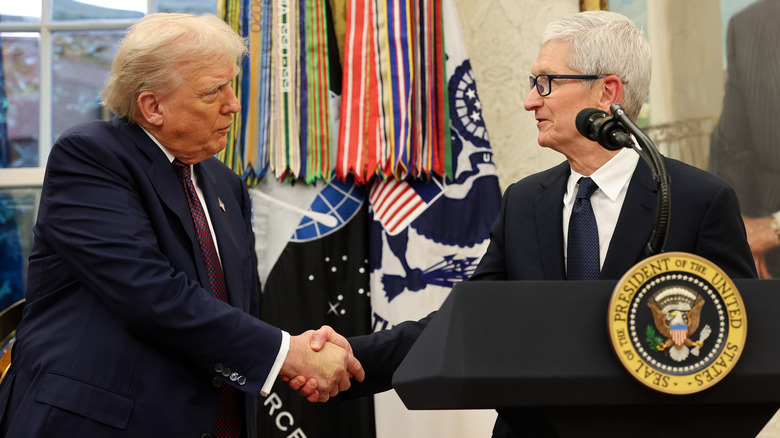
In 2025, Cook pledged to inject $600 billion into the U.S. economy over four years. In simple terms, this means Apple will invest this money into local workers, infrastructure, and companies rather than sending it abroad, making this one of Cook's biggest moves as CEO.
At the time of writing, this pledge is already bringing up factories, buildings, and creating thousands of jobs in the U.S. For instance, Apple, alongside Corning, is working on glass production in Kentucky, which will supply iPhone and Apple Watch screens. Apple is also working on new plants in Texas and Arizona, which should be up and running through 2026 and beyond.
For Americans, the deal means more job opportunities and more money circulating in the country when you buy an Apple device. For Apple, Cook has definitely created a way of securing critical components closer to the company's largest market. As such, Apple will have a secure local supply chain in the event of any crises. Spending heavily in advance to safeguard against any future market shocks. Being that he'll remain at Apple as executive chairman, Cook will most likely stay involved in this side of the business while Ternus focuses on the products that keep the company ticking.