

5 Reasons I Chose The Apple Watch Over Android Smartwatches
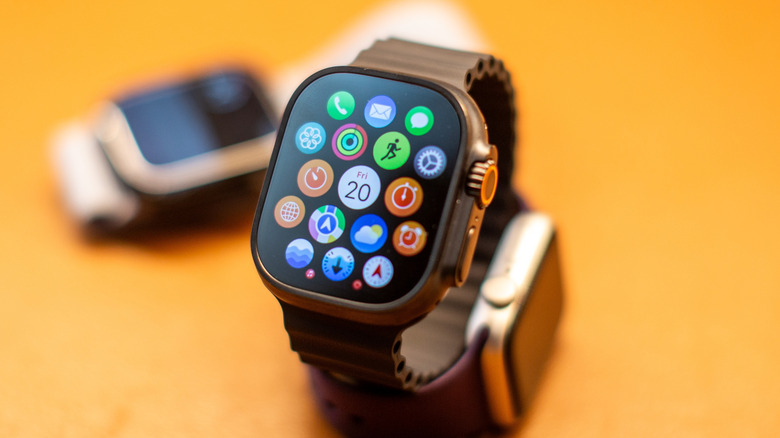
The Apple Watch is a popular iPhone accessory, with Apple selling more units with each generation. I've been using versions of the Apple Watch since the original model came out in 2015, with breaks in between. I purchased the first version out of curiosity (and for the obvious work reasons) when I was in my early thirties. Less than a decade later, the Apple Watch became a must-buy device for me, as I started prioritizing living a healthier life. An Android smartwatch could help me achieve the same goals, and some of the models available come with a few advanced features that the Apple Watch lacks.
However, I have several reasons why I chose the Apple Watch over competing models, and will likely continue to buy Apple wearables for the foreseeable future. I have the Apple Watch on my wrist for almost the entire day, as I want the wearable to collect as much health data as possible that may one day help me identify health issues early and provide a richer health history to healthcare providers. The Apple Watch is also integral to my exercise routines, helping me keep track of workouts, including marathon training.
But the Apple Watch is an iPhone accessory. To take advantage of all the features I want from the wearable, I need an iPhone. Or better said, I'm a longtime iPhone user, so the Apple Watch is a natural (and sometimes only) choice. In addition, there are several perks to buying an Apple Watch that I value.
The Apple ecosystem
I was already an iPhone owner when I bought the first-generation Apple Watch. At the time, there weren't that many smartwatch choices available, especially Android models. As a reminder, Apple unveiled the Apple Watch in 2014, but the first Apple Watch models started selling in 2015. As for the first Wear OS devices, some vendors started selling their first smartwatch models in 2014, running Android Wear, the precursor of Google's current wearable operating system.
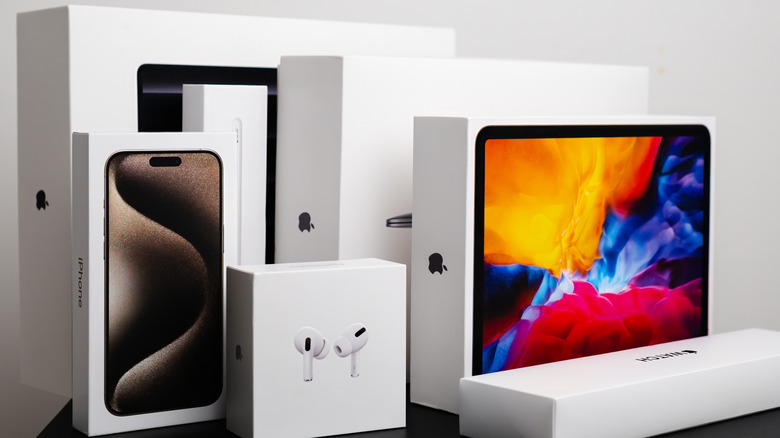
The Apple Watch was designed to work hand in hand with the iPhone. To this day, you need an iPhone to set up an Apple Watch for yourself or a family member, and the wearable is tied to that user's Apple Account. All the health data the Apple Watch records can be visualized on the iPhone via the Health and Fitness apps. Anyone looking to buy an Apple Watch would need an iPhone, as Apple doesn't support Android devices. For example, the Apple Watch Series 11, Apple Watch SE 3, and Apple Watch Ultra 3 that were launched in September 2025 require an iPhone 11 or later that runs iOS 26 or later. Previous Apple Watch models would have similar requirements.
The opposite is also true. Even if I wanted one of Google's Pixel Watch models, I would have to switch from iPhone to Android to buy the Pixel Watch, as Google doesn't support iPhones. Third-party watches that support both mobile platforms exist, but they won't offer the same software integration.
Good build quality
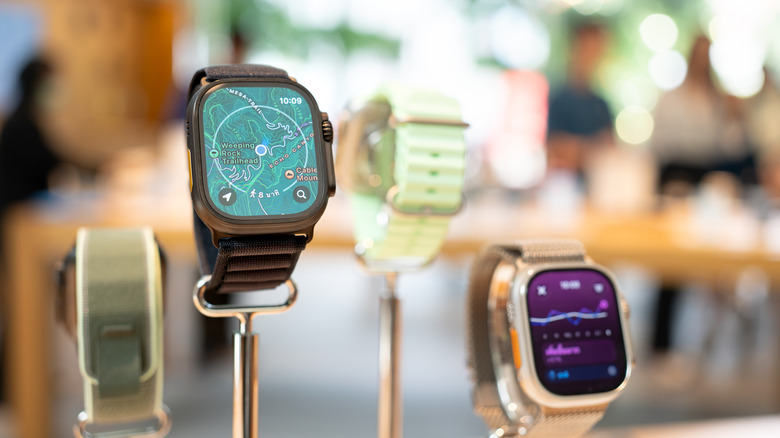
Apple also does a great job with the build quality on its watches. For example, the Apple Watch Series 11 features an Ion-X glass that Apple claims is twice as scratch-resistant as the Apple Watch Series 10. The Series 11 also comes in a titanium version with a sapphire crystal display, the same display type as the Apple Watch Ultra 3. The Apple Watch SE 3's Ion-X glass is four times more crack-resistant than its predecessor. All latest generation Apple Watches come with aluminum or titanium cases, while the Series 11 and Ultra 3 are IP6X-certified for dust resistance and water-resistant to 164 feet and 328 feet, respectively.
I've been using the Apple Watch Series 10 since its launch in September 2024, and the wearable has not given me any reason to worry. I may have dropped it or accidentally hit the display against a harder surface, but the device was never damaged. I never used a case or screen protector with the wearable, and I'm wearing the watch almost continuously. I only take it off to recharge, and that's a process that takes about an hour a day. The Jet Black color choice isn't great, however, so I did run into cosmetic issues, with the paint chipping in some places. I've also owned the Apple Watch SE 2 model, which may still be a good option for some buyers in 2026, and never had issues with it.
Android smartwatches offer good build quality as well, especially the most recent ones. Some non-Android wearables may be even more rugged than the Apple Watch Ultra models that Apple sells. The point is that I never had to worry about the Apple Watch's durability before deciding to buy one.
The software experience
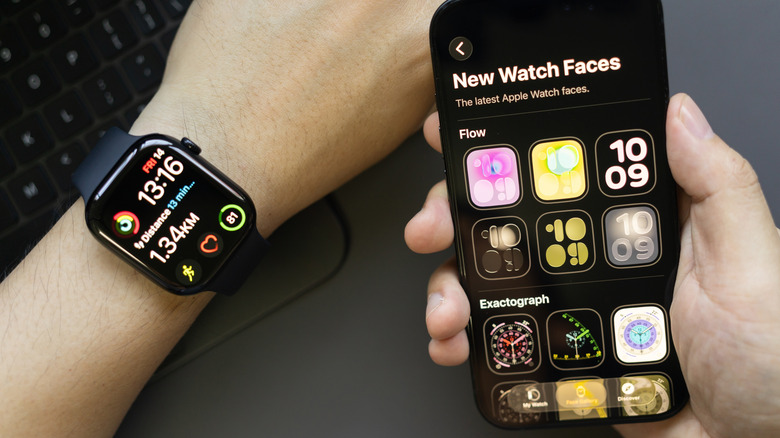
The software is one of the key reasons for buying an Apple Watch. Since the gadget is tailored to integrate with Apple's ecosystem, the software is designed to work with the iPhone. Setup happens through the iPhone, and the handset features a Watch app that lets you customize the experience. The health data the Apple Watch collects is saved in the Health and Fitness apps, allowing me to quickly view the health parameters I'm interested in, start and customize workout routines, and analyze my training progress.
On top of that, Apple releases new watchOS versions every year, offering long-term support for older Apple Watch models. For example, the 2020 Apple Watch Series 6 can run watchOS 26, which was released in 2025. Apple doesn't offer software guarantees with its products, but the company regularly supports hardware for four or five years, if not more. The older Apple Watch variants may not support some of the latest watchOS features and health sensors, or they may run into battery issues well before they reach five years of use, but they'll still offer a basic wearable experience, including support for health tracking, notifications, and apps.
Comparatively, the Pixel Watch models offer three years of support. The 2024 Pixel Watch 3 will receive its latest Wear OS version in 2027, while the 2024 Apple Watch Series 9 will probably get a few more years of watchOS updates beyond that.
Health data privacy and security
My main use for the Apple Watch is monitoring health parameters during rest and physical activity. I limit notifications from other apps, and I hardly install new apps on the wearable as a result. I upgraded to a Series model instead of staying on the SE versions because I wanted a richer health picture. The Apple Watch Series 10 collects heart and respiratory data and features blood oxygen and temperature sensors. The wearable also supports hypertension and sleep apnea notifications and can be used to take ECGs on the spot. The newer Series 11 and Ultra 3 also support the same health features. The holy grail would be the Apple Watch recording blood sugar data, a feature that Apple is reportedly developing. The ability to take hypertension readings, which is also rumored, would be useful too. Also, the Apple Watch supports various types of workouts, allowing me to track physical activity, check trends, and monitor heart rate and breathing.
The older I got, the more interested I became in this health data. The idea is to have a history of data points that may help a future Apple Watch version catch some health conditions early. I would then be able to visit a healthcare professional and show them the evolution of specific health parameters.
In addition to the ability to collect health and fitness data, the Apple Watch also safeguards the information. The health data is end-to-end encrypted on the device and in the cloud. Nobody has access to it but the user. Google also offers strong privacy for the health data Pixel Watch models collect. But Apple has stronger privacy and security guarantees overall. Encrypting health data is just a natural consequence of those strong protections.
Customer care experience
The final reason for choosing Apple Watch over Android smartwatches concerns the customer care experience. Apple Watch purchases come with two years of limited warranty in Europe (one year in the U.S.), and buyers can purchase AppleCare+ coverage for added peace of mind. However, the best part about buying an Apple Watch is that you can find an Apple retail store with relative ease for support. For me, that support may mean having to replace the Apple Watch's battery after a couple of years of use, as the battery health drops below 80%. An Apple retail store is the place to do it, whether it's covered by AppleCare+ or you have to pay for the replacement. Swapping out the battery means giving the Apple Watch a few more years of use instead of buying the latest model, a strategy I plan to take advantage of for as long as the Apple Watch Series 10 continues to be relevant.
In addition, Apple retail stores also give me access to official accessories, especially a large collection of bands that Apple keeps refreshing. Those accessories are also available from many third-party retailers, which also sell plenty of Apple Watch bands, protective cases, and chargers made by other companies.
Buying an Android smartwatch might make servicing more difficult, depending on the provider's network of stores and service partners. Accessory availability is another reason to consider the Apple Watch over Wear OS devices and it's tied directly to Apple's extensive network of retail stores, though, again, the Apple Watch needs an iPhone to work in the first place.