

Almost Every New App Now Must Have Dark Mode Thanks To Gen Z
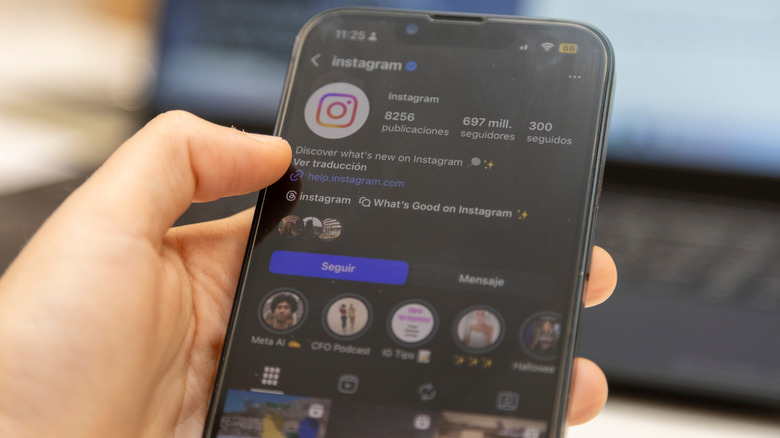
Many apps — or at least digital devices — ship with a dark mode (an illumination mode that uses light text in front of a dark background). Given that many people grew up reading dark text in front of white backgrounds, you might wonder why the seemingly sudden obsession with this lighting method. Blame the people who grew up with computers, or at least the companies that advertise to them.
According to the web design agency Digital Silk, brands that focus on Gen Z (people born between 1997 and 2012) have been a driving force behind the mass adoption of dark modes in apps. The CEO of Digital Silk, Gabriel Shaoolian, said, "We've seen a consistent increase in brands requesting sleek, high-contrast designs that feel native to mobile-first users. It's a strategic choice that speaks directly to how younger audiences interact online." These brands are associated with industries such as fashion, fintech, and gaming.
While dark mode is allegedly the preferred viewing/reading method of Gen Z browsers, Digital Silk admits that it isn't for everyone. The company recommends UI designers design interfaces that can swap between (or support) a dark mode and a light mode, which the company claims "ensures flexibility ... while reinforcing a modern, tech-forward identity."
Dark Mode isn't just for Gen Z
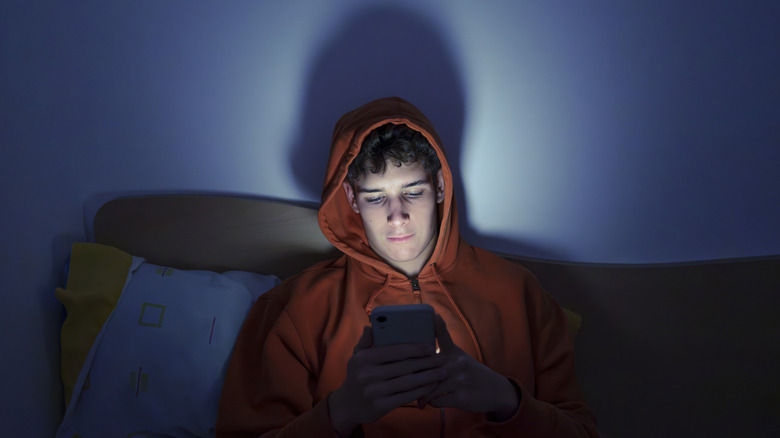
Since Gen Z basically grew up with phones in their hands, they were obviously going to end up with certain quirks and preferences. A desire for dark mode is one of them, but that doesn't mean Gen Zers are the only people to get something out of that illumination style.
If we are being honest, dark mode has many advantages over the traditional method of reading black text on a white background. For instance, dark mode is better for your eyes (in low-light situations, at least), and the mode can help extend the battery life of many devices, especially OLED phones. These devices require less power to display dark colors than bright ones, and we don't have to tell you the importance of maintaining your sanity in a busy work environment.
App designers aren't the only people to adopt widespread use of dark mode lighting (and the ability to switch to light mode). Many devices have a built-in dark mode or dark mode analog. Phones are an obvious example since virtually everyone owns one, Gen Z included. Brands such as Android implement color inversion to give users an easier way to doomscroll before bed without ruining their circadian rhythm. But if you would like another form of handheld entertainment before bed, the Switch 2 has plenty of relaxing games to pick from, and it too features a dark mode if you think the standard lighting settings ruin your experience.
Dim is the new black

While dark mode is all well and good for phones and similar devices, not everything has a screen. So, how do you provide all the benefits of dark mode on non-electronic items, or at least ones that aren't advanced enough to have a dark mode? The answer is smart lighting ... and possibly smart lights.
If you have visited a modern office, especially one that caters to or was designed by Gen Z workers, you might have noticed a vastly different lightscape. Gone are the bright, almost harsh fluorescent bulbs that inspired the Backrooms; now workspaces provide soft, comfortable lighting. The goal is to provide fewer distractions and increase the focus of workers. More importantly, many people, especially Gen Z, associate this style of lighting with improved emotional well-being.
While you can provide these lighting settings using sunset lamps, LED strips, and salt lamps, smart lights can also achieve the same effect. Smart gadgets such as the Gobee LED Smart Light bulbs have a literal rainbow of lightscapes to provide the perfect Gen Z-inspired work environment. Oh, and smart bulbs are generally more efficient than standard lights, so adopting this lighting trick should not only make employees more comfortable but also cut electricity bills by a significant margin.