

4 Mid-Range Android Phones With Better Battery Life Than The Pixel 10a
We may receive a commission on purchases made from links.
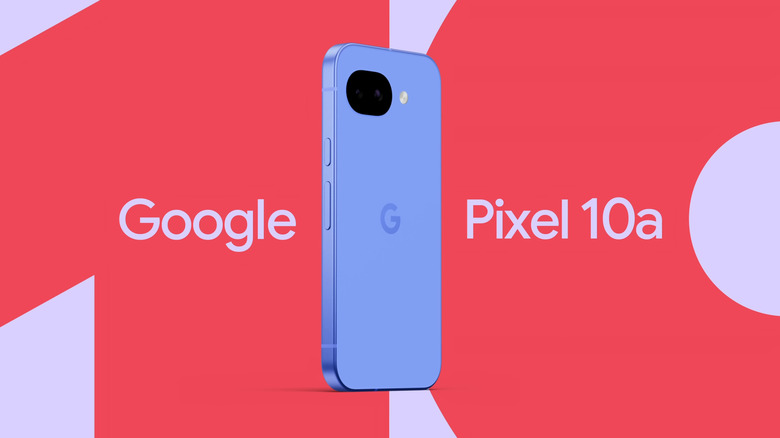
Most people looking for mid-range Android phones want good battery life, and the Pixel 10a is one of the best options for that, but not the only one. That is because no one wants to buy a device that dies in the middle of the day. Today, people's routines depend heavily on smartphones, so this autonomy has become a basic requirement for many users when choosing a new phone.
In this segment, the Pixel 10a is one of the strongest references in this price range for anyone who wants to spend something close to 500$ on a phone. As noted in our Google Pixel 10a review, it has a 5,100 mAh battery and more than 15 hours of active use in tests, making it one of the most reliable phones for anyone who spends the whole day away from home. That is why this Google device is a great recommendation for anyone who wants a good phone.
But the Pixel 10a is not the only one on this list. The market for mid-range Android phones is full of similar options, delivering autonomy equal to or even better than Google's. Some cost more, but they also include extra features that justify the added cost.
POCO X8 Pro Max
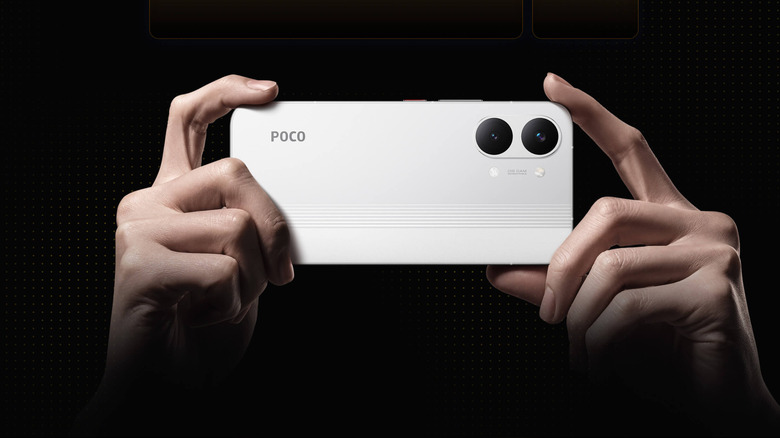
If you want to prioritize battery life over other features, the POCO X8 Pro Max is the best choice you can make. It comes with 8,500 mAh and 100W charging, which goes far beyond what the Pixel 10a offers, while Google's model has 5.100 mAh and charges at 45W. In tests, the X8 Pro Max recorded more than 25 hours of active use, against 15 hours on the Pixel 10a, which is impressive.
For anyone who uses the phone moderately, that translates to two days of autonomy. And the 100W charging is impressive too; it is one of the reasons the X8 Pro Max ranks among the smartphones with the best battery life in 2026. The Pixel 10a reaches 50% in about 30 minutes, and the X8 Pro Max goes from 0 to 100% in less than an hour. It also supports wired reverse charging, meaning it can charge other devices.
Even so, the X8 Pro Max loses to the Pixel 10a in the camera department, since Google's device has a 13MP ultrawide, while POCO's has only 8MP. HyperOS comes with several pre-installed apps, which can bother anyone who prefers a cleaner interface. Either way, at $529, it is worth considering.
Realme 16 Pro+
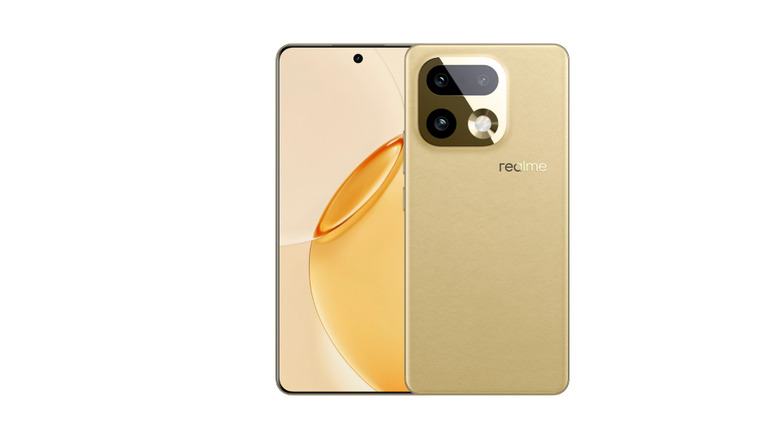
The Realme 16 Pro+ is another option for anyone who thinks the Pixel 10a's battery is good but wants a little more autonomy from their device. Its 7.000 mAh is much larger than the 5.100 mAh in the model offered by Google, and the 80W charging gives Realme's device an advantage for anyone who does not want to wait long for the phone to charge.
In addition to a battery that can last up to 18h, the Realme 16 Pro+ surprises with its cameras. It brings a 200MP main sensor and a telephoto lens, features that make it one of the handful of budget Android phones more powerful than the Pixel 10a in key categories. So, for anyone who likes photography, it's a better buy. For around $500, you also get access to a 144Hz AMOLED screen, which beats the 120Hz panel Google put in its phone.
The problem with the Realme 16 Pro+, however, also comes down to software. Devices made by Google usually come with cleaner software and 7 years of support from the developer. Realme, on the other hand, offers a UI full of pre-installed apps and much shorter support, with only 3 years of updates.
Motorola Edge 60 Pro
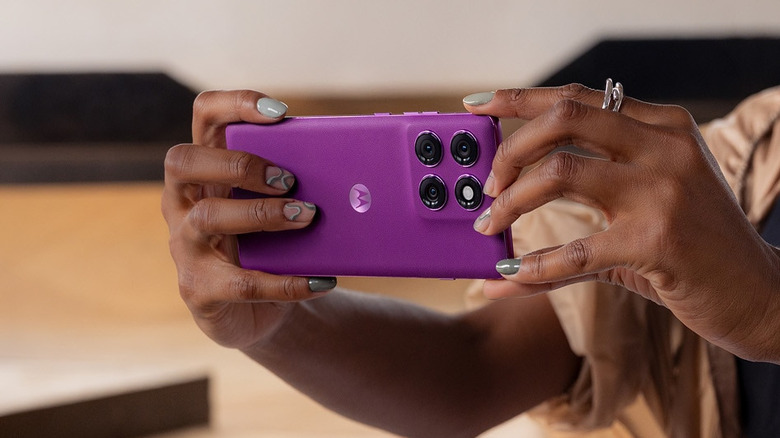
The Motorola Edge 60 Pro, which costs around $450, doesn't offer much more autonomy than the Pixel 10a overall, but still wins in a few key categories. With a 6,000 mAh battery, versus the 5,100 mAh of Google, it can last for around 16 hours of active use. The Pixel 10a takes the lead when used solely for streaming, but gaming lasts almost 11 hours on the Edge 60 Pro, compared to just over 8 hours on Google's phone.
Charging speed is another difference between the two smartphones that you'll want to keep in mind. Motorola's phone supports 90W wired charging, which can take it to around 80 percent in about 30 minutes. In fact, the Edge 60 Pro also beats the Samsung Galaxy A56 in battery life. It also offers reverse charging and wireless charging, as well as a larger 6.7-inch display and a triple-camera setup with optical zoom.
Nothing Phone (4a) Pro
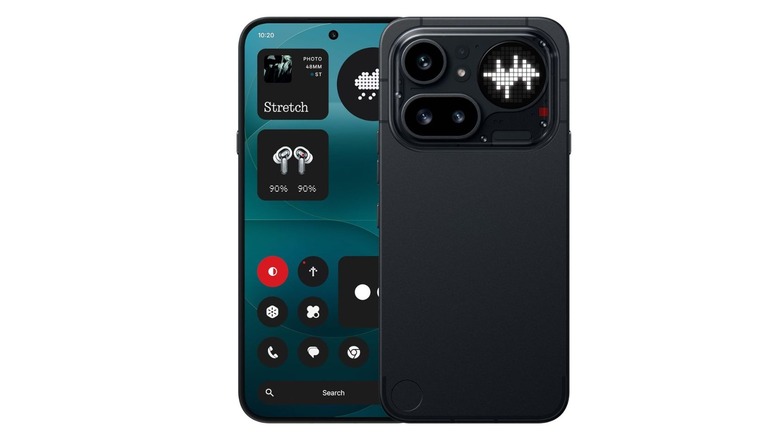
Although it has battery life similar to the Pixel 10a, this Nothing Phone model offers a few advantages, especially its larger screen and faster charging. Its 5,080 mAh battery gives it about 3 more minutes of advantage over the tests done with Google's phone. The 50W charging reaches 68% in just 30 minutes, against about 50% on the Pixel 10a in the same amount of time.
In addition, in the individual tests carried out by GSMArena, the two models split the advantages. The Pixel 10a wins in web browsing and video streaming. The Nothing Phone (4a) Pro, on the other hand, has the advantage for calls and wins by a small margin in games, but in practice, the difference in daily use is minimal.
In terms of hardware, the Nothing Phone (4a) Pro can do a little more, since for $506, it delivers a 6.83-inch AMOLED screen with 144Hz, against the 6.3-inch and 120Hz screen on the Pixel 10a, plus a triple camera system with a 50MP periscope telephoto lens and 3.5x optical zoom, as we noted in our Nothing Phone (4a) review. The disadvantages compared to the Pixel 10a include IP65 water resistance, which is below Google's IP68, and shorter software support.
How we chose these midrange phones
To build this list, we used GSMArena's tests as a benchmark to determine each phone's battery life. They usually combine four different scenarios, such as gaming, streaming, calls, and web browsing, to determine how long the phone can stay active. This estimates the real-world time each device can be used before it needs a new charge, with the Pixel 10a standing as one of the main mid-range references among Android phones.
Based on that, we looked for phones in the $350-$650 price range and used GSMArena's tests to select the devices on the list. In addition, we evaluated each phone's charging speed, since this difference can matter to users who cannot spend much time waiting for their phones to charge. We also looked at some hardware differences, since in the mid-range segment, companies often make trade-offs to offer better pricing.