

4 Disadvantages Of Buying Refurbished Smartphones
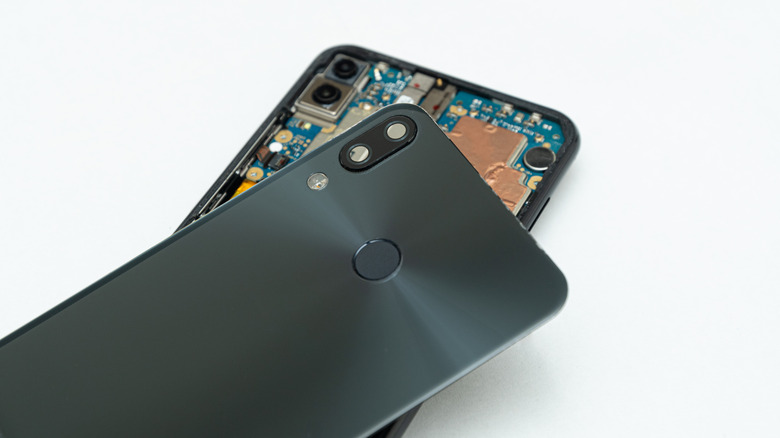
Refurbished smartphones can be excellent cost-savers, but they don't come without their fair share of problems if you aren't careful. For one, refurbished phones could have a hidden history of issues: you don't know exactly what got damaged or which components need replacing. Two, the quality of a refurbished phone can vary depending on where you purchase it; you won't necessarily know its condition or shape unless explicitly graded — though if you buy it from a retailer, there's usually a return policy you can follow if you aren't happy with the product.
Then there are trust issues with refurbished phones, including their longevity. These phones have been used; while being at 80% battery capacity seems feasible, it still means you won't get as much out of them unless you can replace the battery. Then, of course, the quality of the replacement parts might not be amazing. It isn't easy or cheap to source parts from major manufacturers (unless buying directly from them), so the replaced components could be from third-party sources.
Finally, another common worry is support — either you purchase a warranty from the seller, which is guaranteed to be shorter (and might even be less thorough), and then, of course, the smartphone's underlying software can also become shorter-lived, unless you're carefully procuring a refurbished device, like from Samsung, that isn't too outdated.
It doesn't always come with the manufacturer's warranty
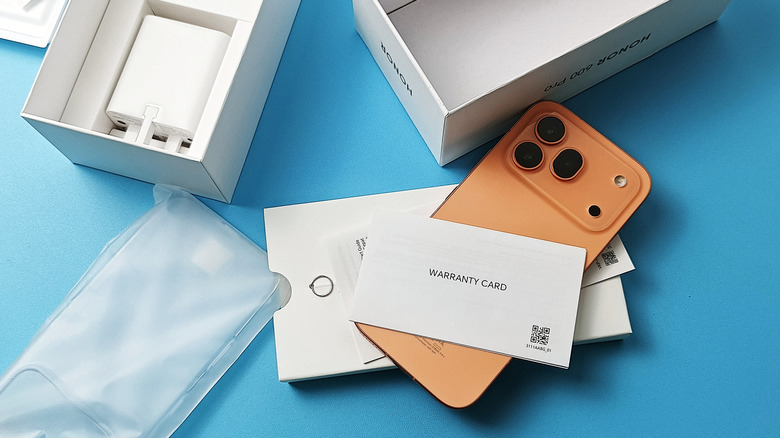
Refurbished phones purchased from the manufacturer, often referred to as certified pre-owned (CPO) or renewed devices, may come with a limited warranty, so, at the very least, a warranty option remains. Or, if you absolutely hit it lucky and snagged a newer phone, there's sometimes already a warranty on it. But generally speaking, you shouldn't expect it to come with one — unless you went through official channels or it explicitly mentions it — especially if those devices are a few generations old or have unauthorized replacement parts.
Though you can generally check the warranty status on your phone (Google has this for Google Pixel phones) or look up the IMEI or serial number if the manufacturer offers an online warranty lookup tool. Either way, if you don't have the manufacturer's warranty, as is the case with older refurbished devices, you'll have to pay for a retailer's warranty, usually around 90 days of coverage, offered by a retailer like Walmart or Best Buy. It's better than having no coverage, but it won't be as long as one offered by a major manufacturer (like Apple, Google, Samsung), which is usually a full year (or longer if you buy extended coverage; one of the perks of AppleCare+.
Software support might not be as long as you think
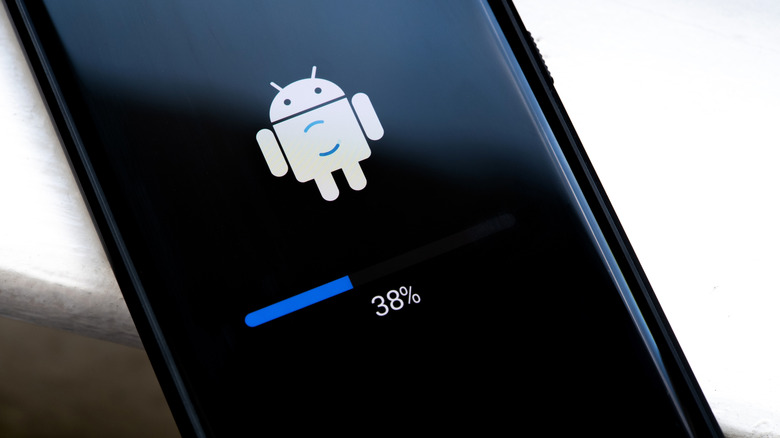
Unless you are shopping for a Google Pixel, a Samsung Galaxy phone, or, technically, an Apple device, you might be paying for outdated software. Essentially, before 2025, smartphone manufacturers were stingy with their software upgrades, providing only a handful of major Android/iOS upgrades (though Apple is usually decently generous) and security updates. For example, if you bought a phone from Motorola that was manufactured in 2023, like the Moto G Play, it would come with Android 12 out of the box, with only Android 13 available as the next update.
Since the phone had only one major update available, Android 13 would be it. If you somehow snagged this old phone, you're around three years, almost four, behind the current Android version. While that might not be a big deal for everyone, it can get even stickier with security updates, since once those are concluded, you no longer have the most up-to-date protection or the latest patches to keep your device from getting hacked (cybercriminals love exploiting older security protocols and unprotected devices). That's terrifying, considering how much personal data most people store on their devices.
Fixed with third-party components
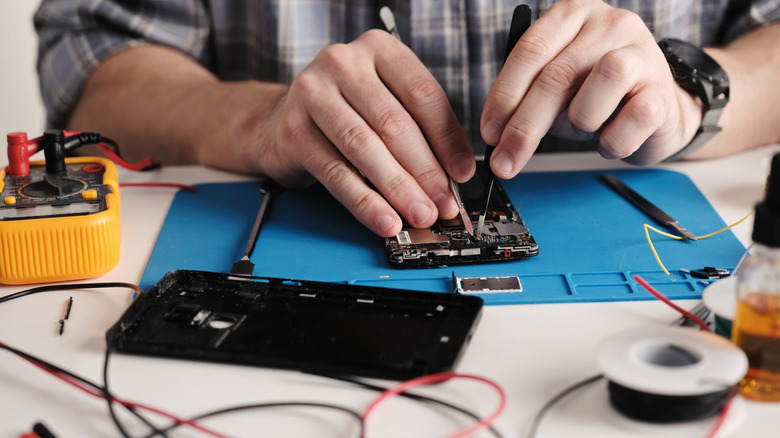
Of course, buying a refurbished phone containing third-party components will depend entirely on where you purchase it. For example, you can buy a pre-certified phone from a major manufacturer that should technically include authentic parts, have a label like "restored like-new," and may have no or minimal wear and tear. But in more common cases, you'll purchase a refurbished phone from an independent seller, either through the carrier, a retailer, or a third-party vendor/individual.
The parts procured to restore those phones may not be guaranteed genuine; these are sometimes called aftermarket parts. If that includes any interactive component, like your phone's screen, you might notice a loss of touchscreen functionality and visual degradation, and it can also void your warranty (if it qualified for warranty coverage). Generally, you also don't know the quality of third-party materials, as it can vary across vendors and affect hardware longevity (like the battery).
Trade-in and resale value might be lower

It all depends on how you acquired the refurbished phones, including their condition and any new parts or components that didn't come with the original device. These factors can affect your phone's resale value, though, and may exclude it from official trade-in programs if it uses third-party parts (this varies by carrier or manufacturer guidelines).
Of course, resale value would only go up if you can sell the phone with the original packaging and still have the warranty — but the risk of purchasing a refurbished phone is that you're not guaranteed either of those. With so many great trade-in opportunities offered by smartphone manufacturers, you will want one to trade in a phone that is in pristine shape (showing minimal wear and tear/damage) and still uses original parts, so you can guarantee credit to get a newer one at a fair discount.