

The Dedicated Camera Phone Button Should Make A Comeback - Here's Why
Every so often, legacy features and products come back around and become popular again, for whatever reason. A lot of the time, it's because they offer a novel experience or toolset you can't find in digital or modern solutions. The analog point-and-shoot cameras are the perfect example of this. The old '90s disposable film cameras are popular again, right alongside the now trendy 2000s digital cameras with minimal bells and whistles.
Of course, there are also a handful of point-and-shoot cameras still worth buying new, even in 2026. But they're coming back and with a bang, largely because of their independence from modern smartphones, which tend to pack everything into one device and can be distracting. With a camera, you get a dedicated shutter button, some options for extra functions, focus, or on-the-fly adjustments, and that's about it. No notifications, no interruptions, just real in-the-moment shots and a chance at genuine photography.
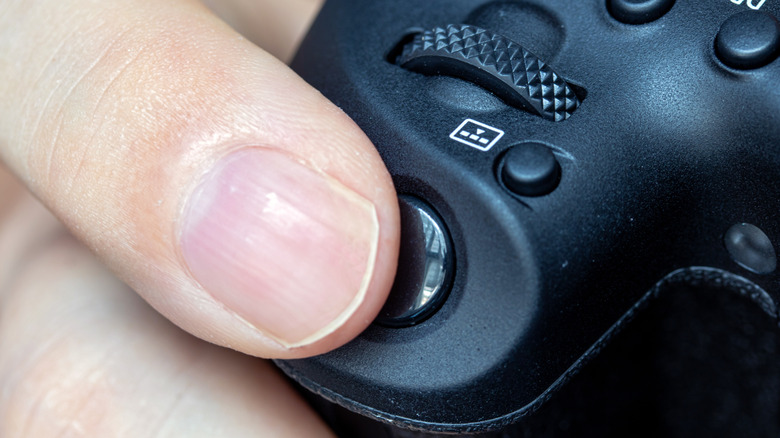
Back in the early days of smartphones, some of those older models did have a dedicated camera and shutter button. That's a far cry from today's models, which, despite being the go-to photography tool for many, reserve their few physical buttons for other tasks. Maybe it's time to ditch those all-digital controls so a dedicated function or physical button can make a comeback? Sure, on Android and Samsung devices, you can double-tap the power button (or the screen button) to open the camera, but it's not really the same thing. On some phones, you can also use the volume keys to capture shots when the camera is open, but it's not the same as that. It will never mimic the tactile feel of a camera shutter button, at least not in its current form, and that's a shame.
Phone cameras are so high-quality now they're a good alternative to carrying a camera
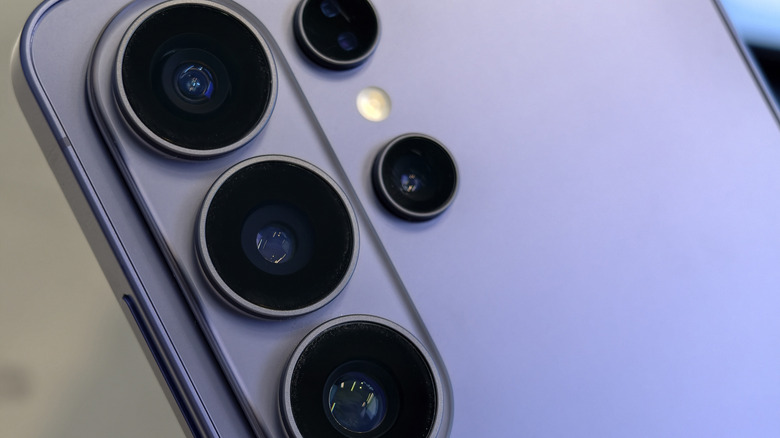
In support of the physical shutter button's return, smartphone cameras have also grown considerably higher-quality, especially in premium and flagship models. Some of today's smartphone cameras even rival professional photography equipment. They often come with pro-grade camera modes that offer full customization of ISO, shutter speeds, exposure, focus, and more. Beyond that, many smartphones have multiple camera lenses, like the Galaxy S26 series, which gives you a boost in quality and focus depending on what you're shooting.
Device cameras are actually a primary reason why some people upgrade or choose certain models. There are a variety of truly popular smartphone cameras out there, as ranked by users who've owned and reviewed the related devices. Given that the cameras are so powerful and beloved, it makes sense to emphasize that experience.
Apple did precisely that with the iPhone 16's camera button. It's time to start seeing phone makers adopt this on a wider scale, and I'm not the only one who feels this way. There are a ton of users on Reddit who also lament the old-style phones that had this, such as the Nokia Lumia or Sony Xperia lines, and beyond. The issue, or rather why it's likely not implemented more often, is that it's a specialized function that's not really useful for everyday use, outside of the camera itself. You're not going to use the shutter button to turn on the screen or to activate AI and voice assistants, unless it's a two-stage button or otherwise multifunctional. When all that is said and done, however, shutter buttons do matter a lot to photographers. Perhaps they should matter more to the rest of us.