

5 Disadvantages Of Buying A Used Laptop
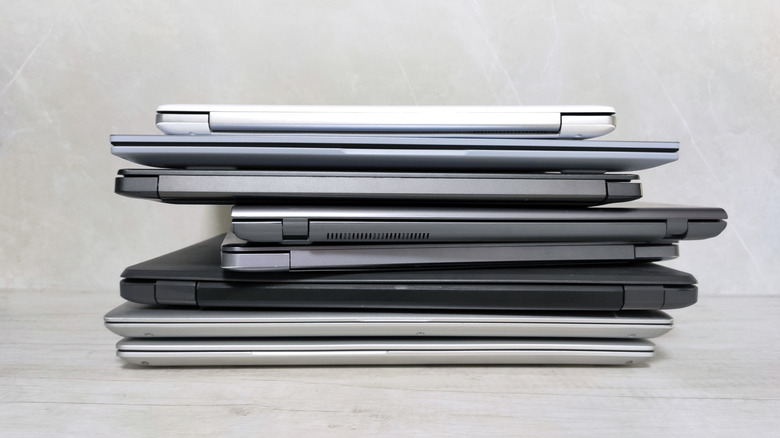
Buying a used laptop, or any other tech gadget, is an easy way to save money. You can find a good deal on the manufacturer's website, through third-party marketplaces, or an individual selling their laptop. At a time when RAM and SSD prices are rising, buying a used laptop can feel like a smart decision. But the idea has its downsides, and these can be deal breakers even if the laptop itself is heavily discounted from the original price.
The biggest problem with buying a used laptop is that you have no idea how it was handled previously. It may have seen external or internal damage which was shoddily repaired. Beyond that, when you buy an old, used laptop, you don't get the latest hardware. While this may work for people who need a computer for simple tasks like web browsing or video calls, power users and gamers usually benefit from newer hardware. And let's not forget, the components in a used laptop have already undergone a fair bit of normal wear and tear. This is all the more important for the built-in battery and storage drives, where age is a critical factor.
Another important aspect to consider when buying a used laptop is whether it's been refurbished. These devices usually undergo extensive testing and are restored to a like-new condition. Refurbished laptops offer a middle ground between new and used devices. But they are not perfect either, and you must ask the right questions before buying refurbished tech.
Damaged or faulty components
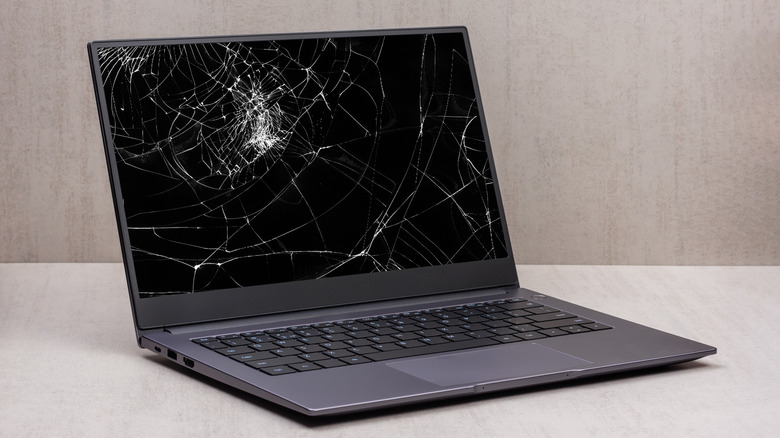
One of the biggest problems you might encounter when buying a used laptop is preexisting damage — especially damage that isn't immediately noticeable. A small scratch is not usually a problem from a usability standpoint, but anything major like a dent in the body, broken or non-functional keys, or a damaged display can really impact your everyday workflow. Apart from that, some things may only become apparent after you actually use the laptop for a few days. This includes intermittent power supply issues, malfunctioning USB ports, failing fans, or hinges that are about to come off.
So, unless you are buying a used laptop from the manufacturer or a company with a good reputation for refurbishing laptops, the risks are real. In many cases, the secondhand laptop will reach an unusable state sooner than you may have initially expected. That's why it's important to clear any doubts you may have if you are buying directly from a seller, read the product's description, and if possible, inspect the laptop's condition in person and not just through the provided pictures. While this doesn't necessarily eliminate the risks, it does help minimize them to a large extent.
Older hardware you'll be stuck with into the future
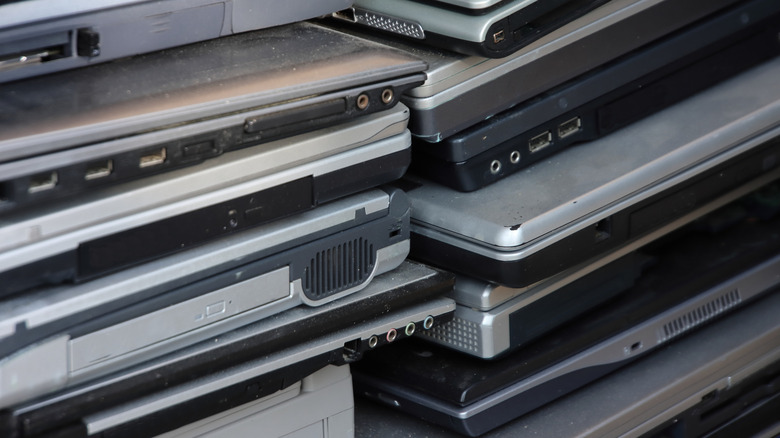
When you are buying a used laptop to save money, you usually get one that's a few years old, as those are priced on the lower side compared to the ones released recently. But this also means that the used laptop features an older processor and other components. It may not feel outdated right now, but that could easily change in a few years. For everyday tasks, this isn't a problem, but if you run resource-intensive programs and video editing apps, you may run into performance issues sooner rather than later. For instance, an old laptop with 8 GB of RAM can handle web browsing and basic workloads well, but as soon as you run heavy programs on it, performance may take a hit. Additionally, modern games often require newer hardware, which an old laptop may not have.
So, it's vital that you get a laptop that's not too old — or if you must go with an older model, make sure that the components are easily upgradable. This may not have been a major problem a decade ago, but laptops released in the past few years generally aren't as repairable, making it harder for you to upgrade the RAM or swap storage drives.
Another drawback of older hardware is that it may not be compatible with the operating system you intend to run. A recent example of this is Windows 11, which didn't support a lot of older processors at launch, forcing users to either switch to Linux or continue using an unsupported version of Windows 10.
Worn out batteries and storage drives
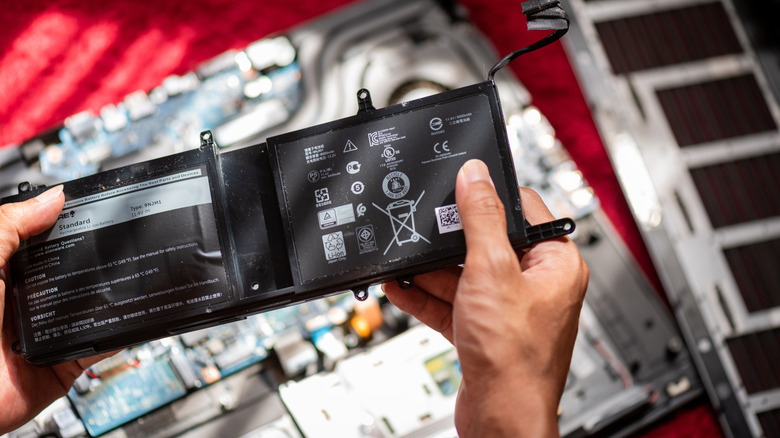
When it comes to old, used laptops, it isn't just about the looks, damage, or basic functionality. Even if those things are alright, there are two components that you need to pay close attention to: the battery and the storage drive. Both of these have a limited lifespan, and improper use can reduce that. The risk, of course, is lower when going with refurbished laptops since the battery and storage drive are thoroughly inspected. But unless they have been replaced, two of the most important components in your laptop will still be worn to some degree from past use.
Even if we ignore the possibility of malware infection on the storage drive, especially when you are buying directly from the previous owner, relying on the used drive for something as critical as your data may not be the smartest move. That's why it's recommended that you avoid buying used hard drives. The same applies to SSDs as well. Similarly, batteries have limited charge cycles, and with a used laptop, you may already be near that limit. While you can use a laptop without a battery, if you prioritize portability, installing a new one becomes vital. That's an additional expense you may not have accounted for initially.
Fortunately, there are simple ways to identify the health of a laptop's battery and storage drive. To generate a battery report, run the "powercfg /batteryreport" command in Windows. For the storage drive, use a third-party tool like CrystalDiskInfo to check the drive's health.
Limited or no warranty

When you buy a new laptop, one of the biggest advantages is the warranty. You know if something fails in the initial months, you can always have it repaired or replaced for free. But the same can't be said about used laptops, unless you are buying a refurbished one directly from the manufacturer or a reputable seller. But even then, the warranty isn't nearly as long as it would be with a new laptop — for most refurbished laptops, it's in the neighborhood of three to six months.
That said, some refurbished laptops do come with a standard one-year warranty, like those from Lenovo, but they usually cost more. Private sellers are highly unlikely to offer any warranty on used laptops. Even if they do, make sure to verify what repairs are covered under the warranty.
At a time when PC parts are getting expensive, losing out on warranty coverage can be a big risk. A failing motherboard can set you back by a few hundred dollars, something you wouldn't have factored in initially. You will also have to deal with the inconvenience, something that could be avoided by buying a new laptop from a top-rated manufacturer.
Shorter lifespan and lower resale value
While these are obvious downsides of used laptops, buyers may overlook the shorter remaining lifespan and lower resale value. Even if everything works fine today, including the storage drives and battery, the previous owner has already used up part of the laptop's lifespan, so you are left with fewer years of ideal performance. The components may not necessarily fail in a year or two, but they will fail sooner than a new laptop. Again, buying a refurbished laptop may help with this, but you must remember that not every part is replaced.
The shorter lifespan also has a direct impact on the laptop's resale value. If you plan to upgrade after a few years of use, your old, used laptop may not fetch as much as you might have planned to sell it for. A few years of use will put additional strain on the components, increase the wear and tear, and subsequently lower the laptop's value. And by the time you plan to sell it, more recent used laptops might already be on the market, lowering its resale value even further.
All that said, it's important to realize that buying a used laptop isn't always a bad deal. Some laptops are still worth buying used — you just need to be a lot more thorough with your pre-purchase inspections. And at the same time, you must factor in the downsides and then evaluate the purchase. Because sometimes, the trade-offs far outweigh the perceived upsides.