

Why Did Smartphone Makers Stop Making Removable Batteries?
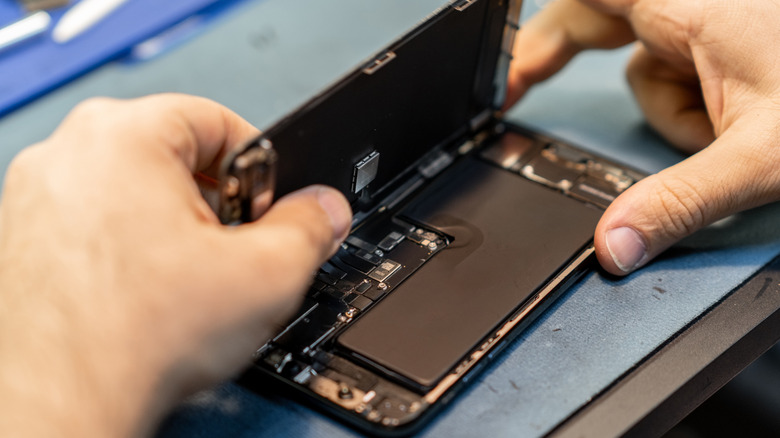
After a long day of using your smartphone, you'll probably need to recharge the device. You can always use an external battery or a wireless power bank to charge your iPhone or Android. But if you aren't at home, that's your only option, because public USB charging ports are too risky. You can't swap out the lithium-ion battery like a gadget that runs on AA batteries. Well, you could do that once, but it was sacrificed for other features.
For the most part, smartphone manufacturers got rid of removable batteries because implementation was just too expensive. Customers wanted thin phones made from high-quality materials, replete with features. But it was impossible to fulfill all those desires, keep the battery removable, and sell phones at a (relatively) affordable price. Once companies started sealing batteries in the phones, they were able to use more durable materials and add features such as high-def cameras and wireless charging. We don't need phone cases anymore because of all the security elements designers installed thanks to sealed-in batteries.
The advantages of non-removable batteries go beyond mere features. If your phone is ever stolen, you have plenty of methods to track your property, all thanks to the secured power source. In the past, thieves could remove the battery and leave you effectively blind as to its whereabouts, but since that's no longer possible, they have fewer ways of deactivating tracking capabilities. Oh, and we can't forget that since phones are no longer built with the gaps and hinges once used to access removable batteries, they're more waterproof than ever. Water can't damage the internal circuitry if it can't seep in through cracks.
Rules for you, not for i(Phone)
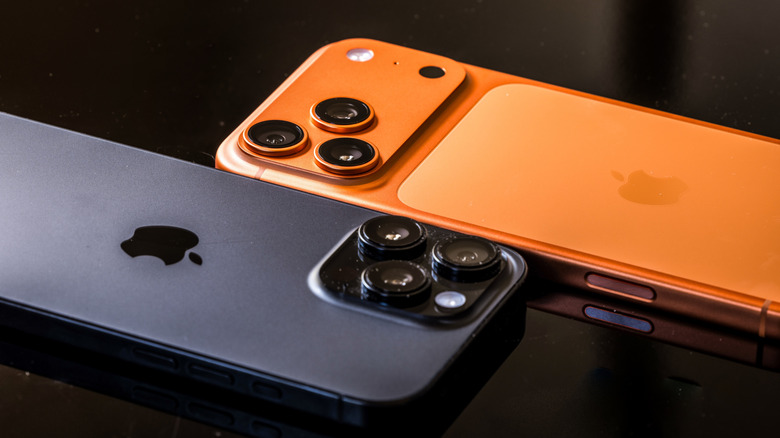
While plenty of people have accepted non-removable batteries as part of the cost of owning a smartphone, not everyone sees eye to eye. Some people wish for removable batteries. When enough voices join a chorus, governments tend to get involved, but when that happens, the related wishes are granted using a monkey's paw.
In 2023, the EU passed new laws regarding the manufacturing of smartphones. According to The Olive Press, the batteries of "portable devices" must be designed so owners can remove and replace them "without any specialized tools or assistance." — they'll still need "commercially available tools," though. Moreover, replacement batteries must remain available for at least five years after production of any given model stops. Of course, these laws won't go into effect until 2027 and will only apply to Europe, but given how mass production works, we could easily see these new models sold in other regions. Since the wording of the law specifies "portable devices," it'll apply to more than just phones, although it won't apply to all phones.
If a company can meet certain requirements, they're effectively exempt from following the regulations. One of the conditions is the ability to guarantee the battery retains at least 80% of its max charge after 1,000 full charge cycles. Apple claims that the batteries of devices such as the iPhone 14 (or later) do just that, so one could argue it's exempt. Of course, there's no guarantee the EU will agree with that logic, so Apple might have to provide scientific data utilizing the iPhone's battery health feature to convince government officials.