

4 iPod Features That Owners Miss The Most
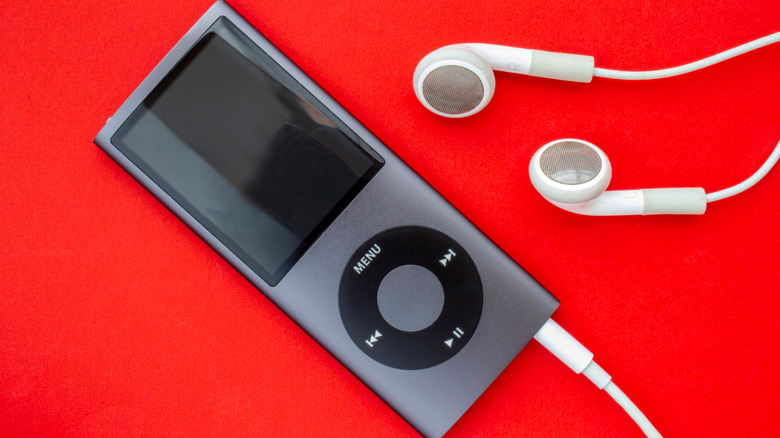
Nostalgia and frustration with the overabundance of tech in the modern age have driven some, including many young people, back to the kinds of old-school gadgets that smartphones made obsolete. Having all of your music in the same place where you can make calls, take photos, and check your social media profiles is convenient, but it can also be overwhelming. That's why old tech like the iPod — devices made to do one thing rather than everything — can be compelling, even therapeutic.
Despite Apple discontinuing them several years ago, old-school iPods are making a comeback thanks to Gen Z. The portable music player, which debuted in 2001, gives users an easy way to listen to all their favorite songs in one place, serving as a great midpoint between physical audio mediums and streaming services. That's why some may be wondering if you can still buy an iPod in 2026, as they have a variety of features that are absent from current devices and sorely missed.
Before getting into the list, we should mention that we aren't including any features exclusive to the iPod Touch, as it's essentially an iPhone without the phone. They lack many of the things that iPod users are nostalgic for, so we're sticking to the Classic, Mini, Nano, and Shuffle for this list.
No notifications or Internet
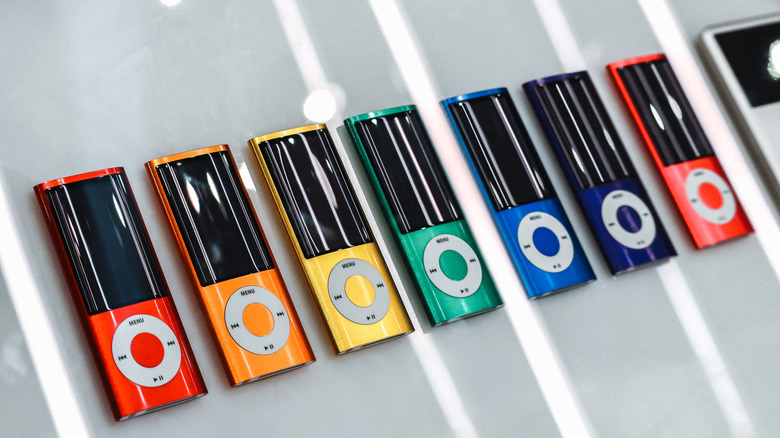
This is less a feature and more of a lack of features, but many of those who now use their phones to play music miss the iPod's lack of notifications or Internet functionality. These days, everything from watches to refrigerators have smart variations that connect to networks. They are designed to serve as multifunctional media tools with features that sometimes have little to do with their intended purposes. The sheer number of functions and access to endless scroll apps makes it far too easy to get distracted by your smartphone, even if all you want to do is listen to music, and that's making some nostalgic for old dumb devices.
Old-school iPods didn't demand your attention; they were there to play your music when you picked it up to do so. Even the models that could play TV shows, music videos, and games like "Brick" or solitaire wouldn't pester you with the latest breaking news alert or messages. The convenience of having iTunes and, later, Apple Music at your disposal may have made the iPod Touch and iPhone appealing, but Internet access means connection to all those things we often use music to escape. As one person who was still using their iPod Classic in 2022 told The Guardian, "there's still a place for a distraction-free music player."
Hold switch
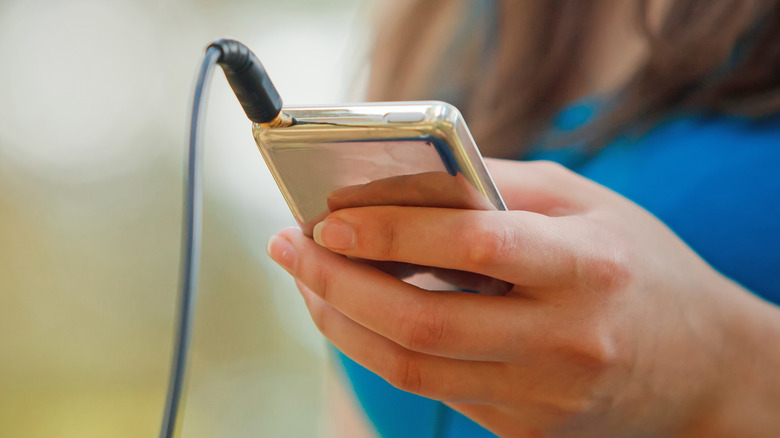
Most iPods before the iPod Touch came with a sliding button on the top. This was the Hold switch, which allowed users to lock their device's click wheel and buttons to prevent accidental presses. There are few things more frustrating while listening to music than having a song or the volume abruptly change, and all it took was a simple little switch to prevent that on the iPod.
iPhone and iPod Touch's lock button fulfills that to a certain extent, but it's not nearly as effective as the Hold switch was. For one, you can still hit the volume buttons even if your screen is black, and that's really easy to do by mistake if you're listening to music while on the go. On top of that, the responsiveness that makes touch screens efficient also makes it easy to accidentally turn them on.
I can't count the number of times I've had my phone in my pocket during a walk or workout and been annoyed or startled by having my favorite song cut off, or worse, blasting in my ears. That didn't happen with my classic iPod (at least once I knew the Hold switch was there and remembered to use it), making it another example of how dedicated music players do certain things far better than smartphones.
Click wheel and physical buttons
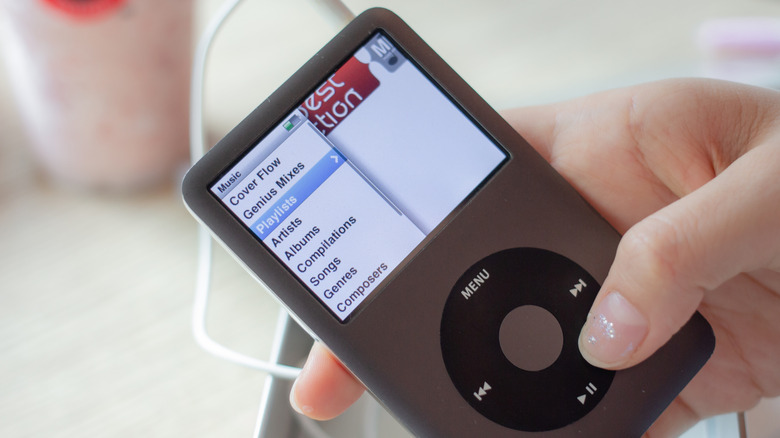
Since Apple removed the iPhone's home button, there's been no shortage of articles, social media posts, and the like about how people miss physical buttons. Touchscreens have taken over so much, but they can't match the feeling of actual buttons clicking in response, even if haptics try to replicate it. It was also easy to learn your iPod's button layout for convenient use. As one Reddit user put it, "I loved just reaching into my pocket and pressing the button that would take me to the next song ... Now I have to take out my phone and navigate a screen to do that and it's not the same."
On top of that, the iPod Click Wheel itself is beloved, with Vice calling it "the best device interface ever." In addition to the five basic buttons, you could swipe around the Click Wheel to scroll through menu options and your music library at your own speed and with greater precision than you may expect. It was a simple and intuitive interface that was perfect for the iPod, and while it wouldn't really work for more complex modern devices, the Click Wheel is still sorely missed.
More storage space for music
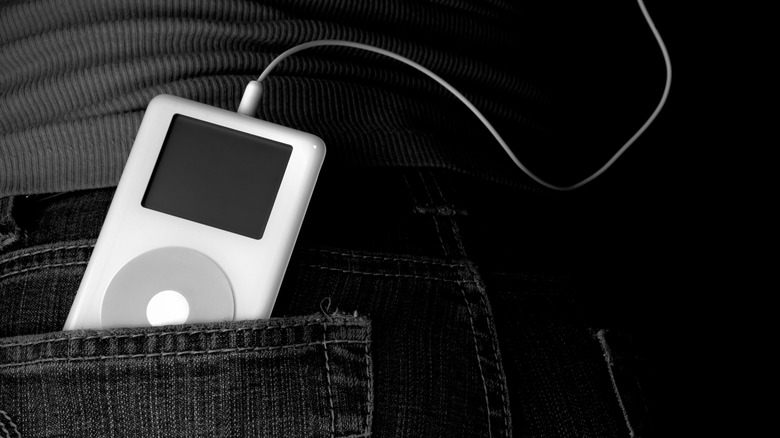
Another benefit of the classic iPod is that all of its storage space and battery life can be dedicated to saving and playing music. Downloading music to your smartphone means it has to share room with everything else you've got on there, and if you've ever had to delete photos or apps to make room for something else, you'll know that storage space can be at a premium. Listening to music also drains your phone battery, which, again, has to be shared among all of your device's functions.
Streaming services alleviate that need to an extent, but downloads are still necessary if you want to listen to music when you're somewhere with unstable or no connection, such as on an airplane or hike. On top of that, many are ditching Spotify and similar subscriptions for reasons ranging from frustration with app changes and price increases to a desire to support artists and escape the algorithm.
With so many things competing for your attention in the modern age, many just want to disconnect. Offline music is coming back into style in the streaming era, and the iPod represents a simpler time when you could download hundreds, even thousands, of your favorite songs to one device fully dedicated to your music. That's why it's easy to feel nostalgia for things like the iPod's physical buttons and lack of Internet.