

Why Are Phones So Much Cheaper In China?
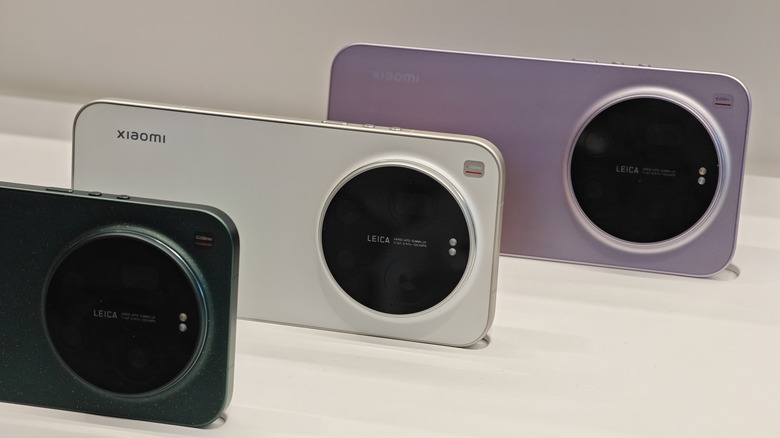
Chinese smartphone vendors manufacture flagship Android phones that can compete directly against the latest iPhones and Galaxy S models, but these smartphones are much cheaper in China than in international markets where the devices are also sold. Chinese vendors are able to lower the prices significantly for consumers in China for several reasons specific to the Chinese market. First of all, the country has a very competitive market, with several players fighting for user attention, including international giants such as Apple and Samsung. Many of these smartphones are produced locally, which means Chinese vendors selling to Chinese customers do not have to deal with costs and taxes incurred when shipping the same handsets internationally. Chinese companies also benefit from local supply chains that can reduce manufacturing costs, and local resellers that provide broad market access. Finally, Chinese vendors only have to ensure that devices sold in the country comply with domestic regulations. International models may require certification processes and local customer care support, which bring additional costs.
Not all phones sold in China are so affordable; only devices made by Chinese companies are. Phones like the iPhone 17 models or the Galaxy S26 series will have similar starting prices to those of the U.S. and European versions. These prices can be even higher than the U.S. prices, as Chinese prices factor in taxes. As a result, a flagship from a Chinese vendor may be significantly cheaper in China than the newest Apple and Samsung devices. The same Chinese flagship will also be cheaper than the international version of the handset.
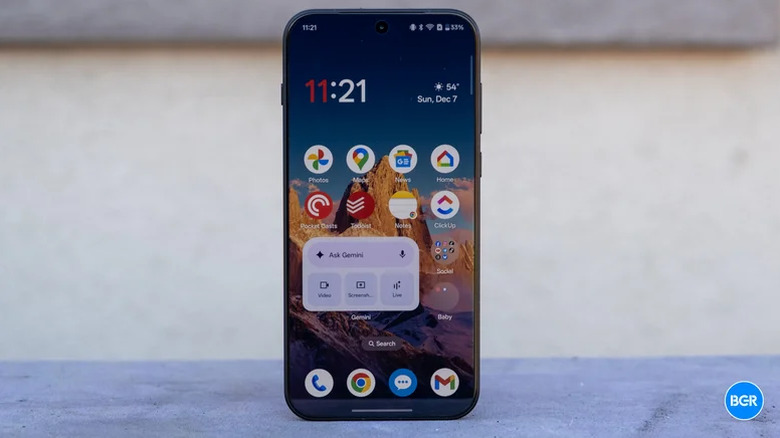
There's another key detail to remember. Chinese Android phones aren't identical to their international versions, as they don't run Google services. International models come with Google apps preinstalled, just like Android phones made by Samsung.
How cheap are Android phones in China?
To understand the price differences between the Chinese and international markets, we'll look at a few well-known Android flagships from Chinese vendors. For example, the OnePlus 15 (12 GB of RAM / 256 GB of storage) costs 3,999 yuan in China, or about $591 after a direct conversion. The same phone starts at $899.99 in the U.S., before any deals and discounts. The European price is around €949, or about $1,084, even more expensive than the U.S. variant. However, European prices include VAT, while U.S. prices don't.
Not all Chinese smartphone vendors sell their smartphones in the U.S. directly. For example, the Xiaomi 17 Ultra flagship that competes against the iPhone 17 Pro Max and the Galaxy S26 Ultra isn't sold in the U.S. officially. The phone costs 7,999 yuan ($1,182) in China and €1,499.90 ($1,714) in Europe. The price difference is significant here, making the Xiaomi 17 Ultra a much better deal in China. Comparatively, the iPhone 17 Pro Max starts at 9,999 yuan ($1,477) in China. The Galaxy S26 Ultra is equally expensive in the country, starting at the same 9,999 yuan price point.
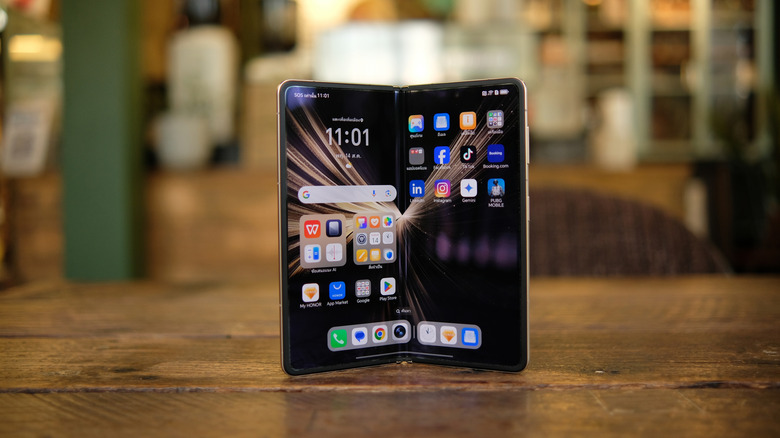
The Honor Magic V5 foldable flagship launched in 2025 cost 8,999 yuan ($1,330). The foldable started at €1,999 in Europe, or around $2,284. Like Xiaomi, Honor doesn't sell Android phones directly in the U.S. The 2025 Galaxy Z Fold 7 started at 13,999 yuan in China, or about $2,068. That price is closer to the handset's U.S. starting price of $1,999.99. Similar price comparisons would apply to most Chinese Android phones. Chinese vendors are forced to offer aggressive prices in the country to compete against all other domestic vendors, rather than prioritizing competition with Apple and Samsung or matching their margins.
Should you buy an Android phone from China?
Android fans aware of the price differences between China and international markets for the same phone may be tempted to buy a Chinese version of a smartphone instead of an international one. The examples above show that you could buy a high-end foldable phone like the Honor Magic V5 for a better price than the iPhone 17 Pro Max. A flagship like the Xiaomi 17 Ultra may be even more attractive. But in practice, purchasing a Chinese smartphone made for the Chinese market may not be recommended.
Buyers have to remember that the version of Android that Chinese vendors use in China isn't identical to the version of Android they are accustomed to using. Google doesn't operate in China, so Android handsets do not come preloaded with the Google apps you may want, including Gmail, Google Maps, Chrome, YouTube, and the Google Play Store. The latter is replaced with local app marketplaces. Therefore, international users may have a harder time installing Google apps and enabling Google services. Also, some Chinese vendors may offer better software guarantees for the international versions of the handsets. Honor and Motorola offer up to seven years of Android updates in Europe and international markets.
There's also the matter of import duties and taxes. Buying a cheap Android phone from China will require shipping it to your desired location. In addition to shipping costs, buyers will also have to account for the import taxes in the destination market. Finally, there's warranty and customer support to consider. Buying an international version of a Chinese handset comes with a warranty and local support. Importing a Chinese version of the same handset may limit access to warranty service and customer care.