

4 Disadvantages Of Buying An Open-Frame 3D Printer
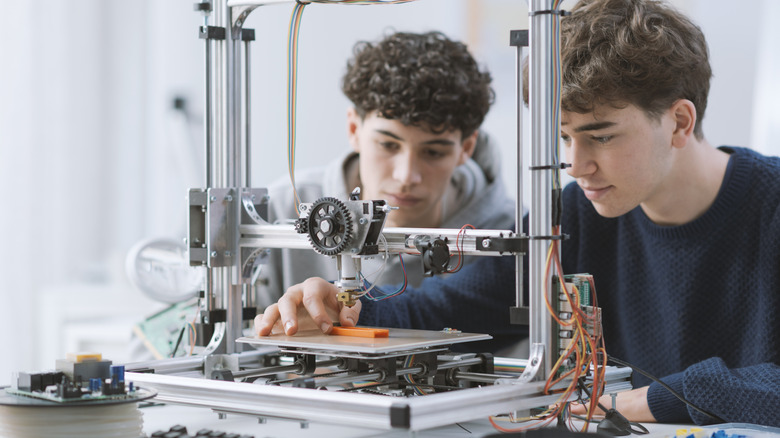
Getting into 3D printing can seem a little intimidating at first because of the variety of options on the market, but open-frame printers make this process more accessible. Without a closed shell, these models usually offer a better price and easier use. So, they become a perfect choice for anyone who wants to try the basics of the hobby and learn the things you need to know before buying a 3D printer, without investing even more right away.
The problem is that the initial savings may not hold up in the long run. Although they work great for getting started, open-frame printers are usually more limited in what they can offer users. So, if you become more interested in the hobby and want to try more ambitious projects, you may run into some of these limits, like a narrower selection of the filament types you can use and other issues.
This happens mainly because companies cut costs in ways that also restrict what these printers can do, in the name of making them more accessible to the public. Without a closed structure, temperature control and protection against other external factors are out, which can affect the quality of your prints. For that reason, we have laid out the disadvantages you may encounter if you choose an open-frame 3D printer.
Fewer filament choices limit what you can build
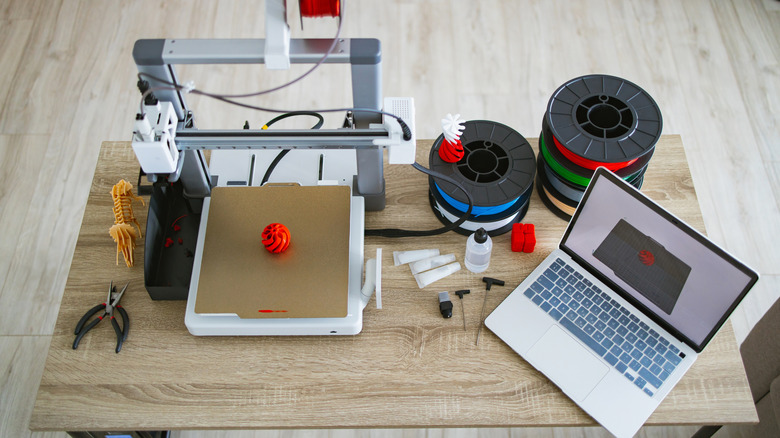
Open-frame printers work well if you want to print with easy-to-use materials, such as PLA, PETG, and most TPUs, so they provide a good starting point if you're still weighing the differences between resin and filament 3D printers. These materials work well because they do not require strict temperature control, but if you try engineering materials, such as ABS and some nylons, the result may not satisfy you. That is because they can shrink up to 2% while cooling — but this process needs to happen in a uniform way, and heat dissipation can't be reliably controlled without a closed structure.
This can affect the final quality of your part, since with an open printer, the base remains heated by the bed, usually above 100 degrees Celsius, while the upper layers cool to room temperature. This difference creates tension, where the top contracts faster than the bottom, causing the corners to lift from the bed. Air drafts make this even worse. Still, if done correctly, small parts can be printed with these types of materials on an open-frame printer. The risk grows according to the size of what you are printing, and that is why many people recommend enclosures when using these types of material.
Temperature changes in open printers increase the risk of warping
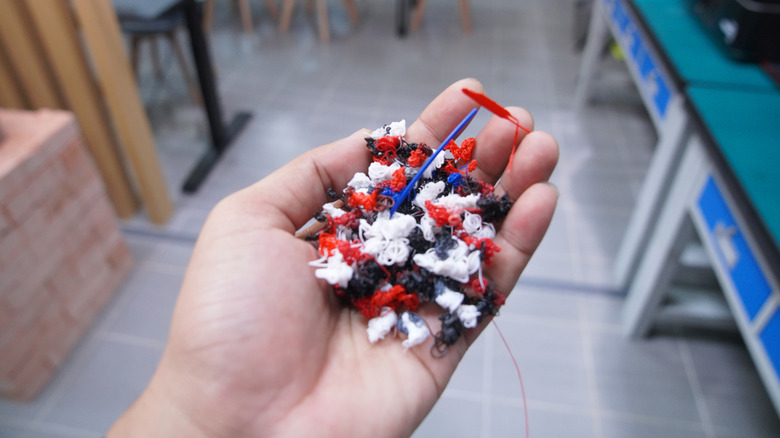
Temperature is one of the most important aspects of 3D printing, and just as an open-frame printer does not support some materials very well, it can also cause warping. This effect happens when parts of the piece cool at different speeds, causing the edges to lift while the print is still happening, and it's one of the most common reasons your 3D print project might have failed.
In an open-frame 3D printer, the piece you are making stays exposed to the ambient room temperature with nothing to control its heat dissipation. So, an air draft, open window, or even air conditioning can cause one side of the piece to cool faster than the other. Some materials, such as ABS and ASA, are more sensitive to these changes, but any material can still face this risk.
Although an enclosure does not eliminate warping completely, it still helps keep the air around the piece more stable. Without this protection, users often have to resort to tricks like applying special adhesives or using reinforcement brims so the piece does not come loose halfway through.
Toxic fumes and plastic odors spread directly into the room
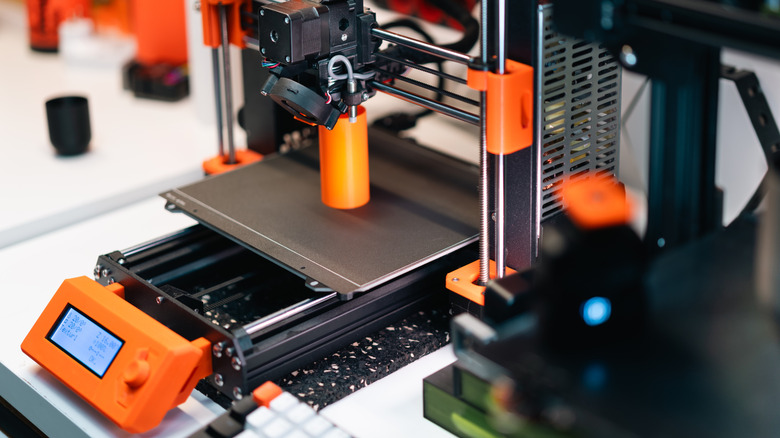
Open-frame printers, because they do not have any type of protection around the hot nozzle, release fumes and a strong odor directly into the room as soon as printing starts, turning some rooms into the worst places to set up a 3D printer. This is especially true for materials such as ABS and ASA, which emit a characteristic burnt-plastic smell and can cause a lot of discomfort if you are the type of user who spends a lot of time next to the printer.
It is important to point out that this does not apply only to open-frame printers. Every model that works with 3D printing, regardless of the filament type used, emits some type of fumes during printing, even with materials considered "friendly" like PLA. The difference is that a model with an enclosure can hold some of the fumes inside, while in open-frame setups, they spread freely through the room.
This does not mean that having an enclosure solves every issue, since without a ventilation system, it only holds the fumes until you open the door. Either way, if you plan to print ABS or ASA regularly, an open-frame printer may not be the best possible choice because of the discomfort it can cause.
Higher noise levels can be off-putting
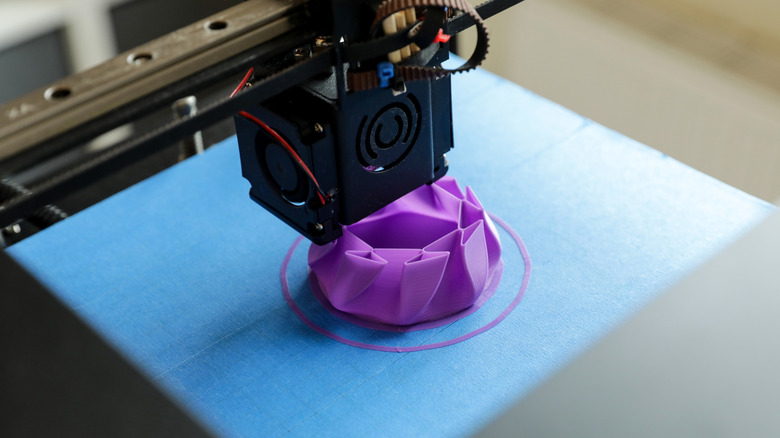
3D printers are not silent, since creating parts requires spinning motors, running fans, and a print head moving from one side to the other. This noise, depending on the room conditions, can surpass 60 dB, which is the loudness of a conversation. Add this to the fact that printing is not a quick process and can take hours to finish, and this noise can become annoying, especially in a small space.
Printer noise varies a lot among open-frame models, as not all of them work the same way. Noise levels can vary depending on the speed used and the quality of the motors and fans in the 3D printer you chose. The Ender 3, one of the cheapest 3D printers you can buy, for example, tends to make more noise than the more recent versions that came out.
Either way, without walls around it, the sound spreads directly through the room where your printer is operating. Having an enclosure on the 3D printer helps this, since it creates a barrier that can muffle at least some of the noise and vibrations during the whole printing process. This is something open-frame models cannot offer, affording you only a few adjustments to try to reduce the noise.