

4 Specs That Could Get Worse On Your Next Cheap Android Phone
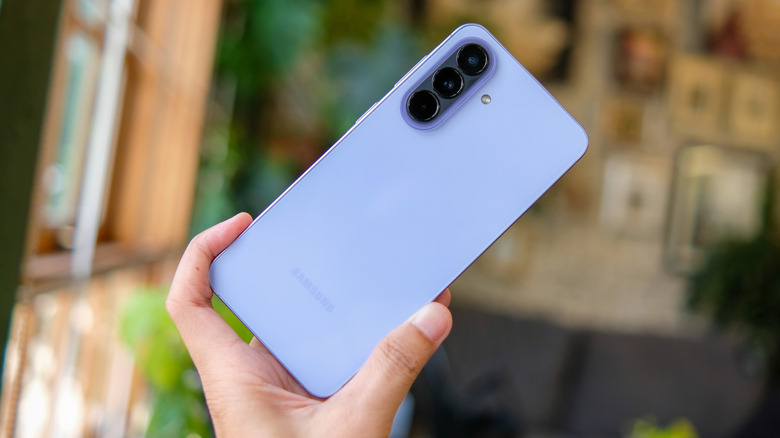
Some of us find it unbearable to justify spending more than $500 on upgrading our phones these days. "Blue bubble" iPhone folk will typically resort to looking at older models to make that purchase fit their budget. Flip over to the Android side of things and, to say the least, the market looks completely different. Multiple brands including Google, Samsung, and OnePlus are competing for attention with mid-range smartphones. These phone makers are getting squeezed, though, as RAM and memory chips have skyrocketed in costs, resulting in smaller margins for a tough target price.
You might be wondering if next year's cheap-ish Android phones will be that much better than this year's. No doubt some of you might be overdue for an upgrade already. Will that mean paying more than before for the same phone? Well, when it comes to comparing spec sheets, we'll take a look at five major components that may not get the update you're hoping for as a result of this higher cost.
System-on-Chip (SoC)
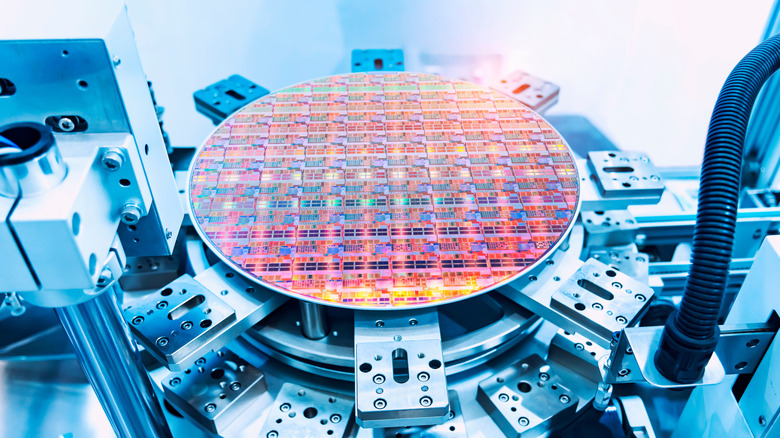
The 2025-26 phone model year has seen a bit of a surprise, as reports claim that Apple and Samsung have seen robust sales of the iPhone 17 and Galaxy S26 series, respectively. This has led to more demand for flagship-level silicon from the same chip producers who are already working overtime to fabricate wafers for AI clients. At the same time, demand for middle and lower tier products has slowed down.
Ultimately, that means we'll likely see a significant number of sub-$500 phones using the same SoC from previous years, at least when it comes to manufacturers primarily relying on Qualcomm and MediaTek chips. If a part has been changed out, it's unlikely we'll see any meaningful gains in performance.
Meanwhile Samsung, the largest producer of Android phones, has moved most of its mid-range Galaxy A devices away from third-party chip providers to its in-house Exynos designs. Those phones seem to be performing commensurate to their target price level, so expect relatively little change there.
Wireless modems and connectivity
The chips your phone uses to receive and send data through Bluetooth, Wi-Fi, cellular networks, and various other protocols are quite important, since they're what make smartphones wireless. Modems aren't usually a front-of-the-sheet spec line, but Android manufacturers do have a choice in where modems are sourced.
Case in point, Android Police reported in 2021 on a significant number of Google Pixel 6 owners experiencing numerous reception issues, which some observers attributed to the Samsung 5G modem the phone used. As RAM and storage prices wreak havoc on the bottom line, the spec sheet scramble means cost-cutting on this front isn't necessarily out of the question.
If you're about to pull the trigger on a new cheap or budget-friendly Android phone, see if you're able to take advantage of a return and exchange policy to test out reception in trouble spots you're familiar with. It might also be worth asking friends and family about the phones they're using and what pain points they have with them.
Display
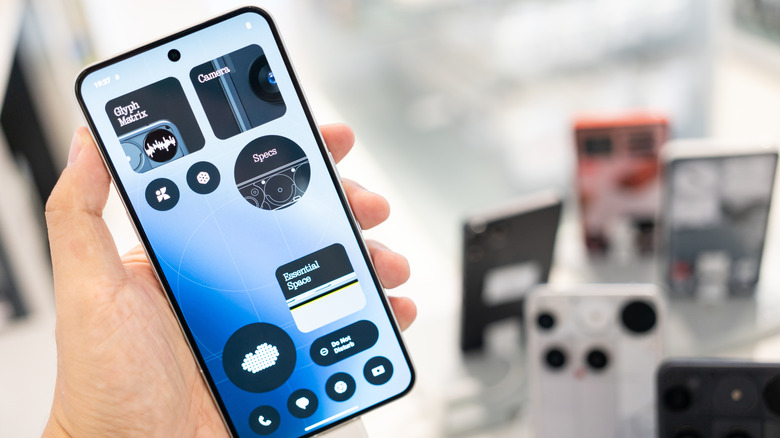
We've gotten to a point in the life of display technologies where a 1080p display using some sort of OLED technology is table stakes for a $400 phone. You might start to see older LCD technology slot into some phones at the $200 level. Don't expect that to change for as long as RAM prices remain elevated. The good news is that production and supply of current-gen budget displays is stable.
On a separate note, we've also seen the sub-$1,000 sector — or what analysts call the "Premium B" smartphone market — adopt displays that are between the typical 1080p and 1440p resolutions; typically landing just north of 1200p. One such example is the Nothing Phone 4a, though the upstart firm led by former OnePlus co-founder Carl Pei is undercutting the competition on price to focus on growing its customer base. Otherwise, if you're looking to a Chinese brand selling flagships at low prices in Yuan, don't expect that to translate over in dollars thanks to import taxes.
Cameras

Super-cheap phones will likely continue to see tepid multi-camera setups that feature a 2MP or 5MP ancillary sensor sat in front of a macro lens, or set in monochrome to overlay extra brightness information for the main camera's output. Towards the $500 level, you might see the megapixel counts hold up, but the sensor size will remain pretty small — the larger the cells in that sensor, the more light that can reach it, and the more accurate color info it can generate. Selfie camera quality is also typically up in the air at this price point.
Keep in mind that manufacturers will prioritize spending on certain specifications over others for both structural reasons (i.e., the importance of a component to the overall smartphone experience), as well as more transient reasons. A steep price hike on a camera sensor will necessitate an alternative on most smartphones priced for affordability.
In markets where you see greater options and distinctions, you might see the most interesting component dynamics pitting the camera tech against the mass appeal all-rounder phones. Budget gaming phones, for example, are known for aggressive 3D benchmark scores; less so for their imaging strengths.