

The First X-Rays Have Been Taken In Space - And It's A Gamechanger
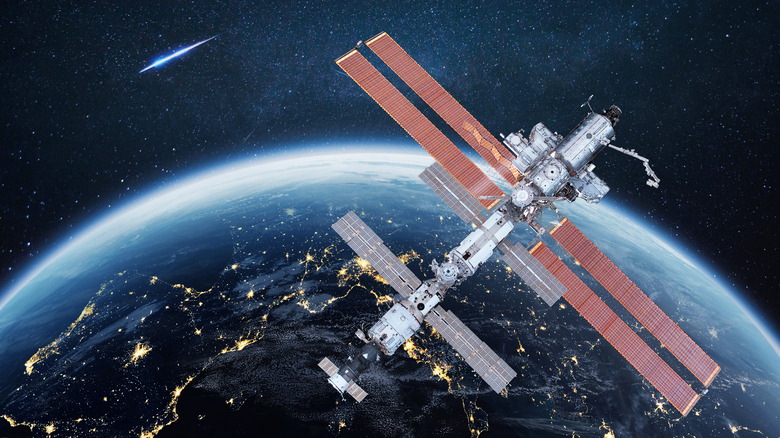
As NASA works towards bringing humans to Mars in the not-so-distant future, one important consideration is astronaut health. That's why researchers wanted to test whether portable X-ray machines could be used to take images in space clear enough for diagnostic purposes. The team, led by Sheyna Gifford, M.D. of the Mayo Clinic, carried out the study with the help of SpaceX and the crew of its Fram2 mission, publishing their results in a July 2026 issue of the journal Radiology.
The researchers had the astronauts take images of things like a smartwatch, hand, abdomen, and chest before and during their flight using a small X-ray system — the kind used to screen for diseases in remote places and as a precaution during sporting events where injury risk is high. Those images (along with some taken postflight by noncrew) were analyzed by independent radiologists, who found "no difference" in quality, contrast, or resolution between those taken in space and on the ground.
Being able to take reliable X-rays during missions is a huge step forward. Up to now, astronauts have only had access to ultrasound for medical imaging, which requires a trained operator, as well as films and gels. Typical X-ray machines are large, produce radiation, and have trouble producing clear images if there's movement, but these small ones are effective and require minimal training to operate. X-rays can also be used for imaging equipment, allowing the crew to identify internal issues without having to take machines apart, making these devices useful for medical and nonmedical purposes.
Longer space missions will require better medical care for astronauts
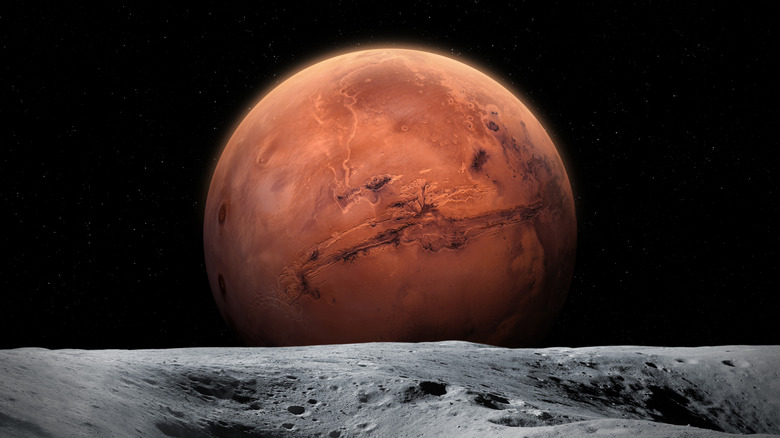
As manned space missions start aiming further from Earth, the odds of a serious medical emergency occurring onboard a long mission increase. Even though astronauts have to go through a rigorous screening process that involves strict medical requirements, no amount of testing can predict everything that could possibly go wrong. Earlier this year, an ISS astronaut had a medical emergency that postponed a spacewalk and made him the first NASA astronaut to have to return to Earth early.
That he was able to make it back safely is great, but turning around for treatment won't be an option on missions to Mars. Diagnostic X-rays are a start, but the further we go from Earth, the more we need to prepare astronauts to diagnose and adequately treat one another to prevent nightmare scenarios where crew members are unable to complete important duties.
Spending time in space is also known to have dramatic physical effects. A study involving identical twin astronauts found that space permanently changes the human body, impacting gene expression and causing subtle changes that warrant further research. Space travel also changes the shape of an astronaut's brain, impacting areas responsible for things like balance and sensory processing. These are just some of the health problems astronauts have to worry about in space, and it's important for scientists to better understand how space impacts the physical and mental health of astronauts before sending them on long-term missions to explore Mars.