

How Long Do Owners Say Apple Watches Typically Last?
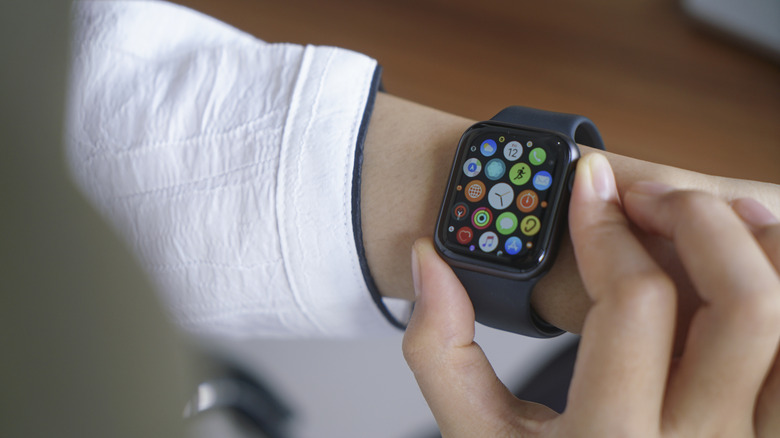
When you spend hundreds on an Apple Watch with so many unique features, you want the most bang for your buck. That includes longevity. From a software perspective, Apple's current watchOS 26 supports all the way back to the Apple Watch Series 6, introduced in September 2020. The upcoming watchOS 27, however, will only support six models, starting with the Series 9. But will Apple Watch hardware last that long (or longer) for basic tracking and notifications?
Redditor gespenst_mk2 wore a Series 4 model introduced in 2018 for five years, and it continued to work well. "I wear my watch to the pool or a water theme park with my kids. No issue," they say. This sentiment is echoed by erwinaurella, who says, "I still wear a Series 4 daily. It still works perfectly," though they admit it barely lasts a day per charge. browandr says their Series 4 model was still at 83% battery health as of two years ago. "Still lasts me the day." However, Redditor Far_Philosphy_8677 says that after only a few years, their Series 8 had to be recharged twice a day, battery drain being a common problem with Apple Watches. Thehimbo0's Series 7 model wouldn't hold a charge anymore after about three years of use. That said, you can reasonably expect an Apple Watch to last for a ballpark of around five to six years, though it could last longer.
A ballpark figure and when to upgrade
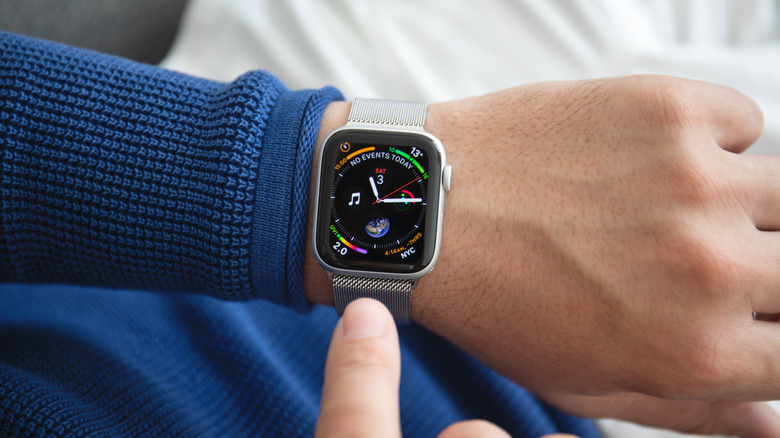
Based on aggregate feedback from my research, including several Reddit threads, as well as my own experience with several generations of Apple Watches, this expectation of five to six years is reasonable. But it's important to note that some people have reported their Apple Watches lasting much longer. While the hardware may last, the battery is likely the first thing to give up. I noticed that after several years of wearing the Apple Watch Series 8, the battery would no longer last as long as it used to after about two years of use. The watch itself was still functioning, however, and still supports the latest software updates except for the upcoming watchOS 27.
By five to six years, you'll probably be ready for an upgrade anyway, especially since the latest OS won't support as many older models. Not only will software support lapse, but the latest models boast improvements in design, durability, efficiency, and battery life. Beyond new features, the difference can be dramatic when moving from a five-year-old model to a new one.
How to increase an Apple Watch's lifespan
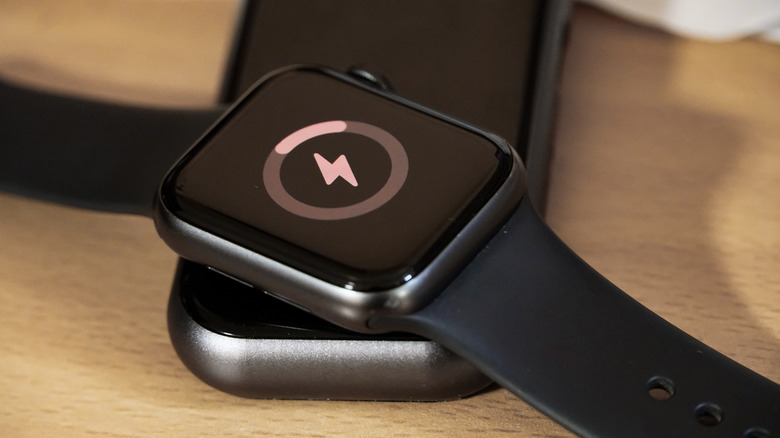
As with any battery-operated device, the battery will degrade over time. But there are things you can do to preserve it. Always keep the Watch updated to the latest software it can support, turn off the always-on display, and enable low-power mode when you don't need full functionality. Ensure proper care, including keeping it out of hot and humid environments. Take it off before you shower to limit unnecessary water exposure and use the ejection function after it gets wet to prevent moisture from potentially damaging circuitry. If you're accident-prone and have an older model with a less durable screen, consider investing in a smartwatch case.
How long an Apple Watch lasts comes down to how you use and charge it, and in what conditions. Anecdotally, it might also depend on the model. Owners of Series 4 devices seem to get lots of life out of that model, even though it's no longer supported by new software. Meanwhile, owners of Apple Watch Series 7 and 8 models report more issues after a shorter duration of time. There's no science or definitive answer. But overall, if you set your expectation to four to six years, it should be realistic. That will be around the time you'd likely want to upgrade to a newer model like the Apple Watch Series 11 anyway.