

5 Disadvantages Of Only Streaming Music
We may receive a commission on purchases made from links.
Music streaming platforms are certainly convenient, but that doesn't mean they're without faults. In our modern era, the sheer number of services available has us taking the time to rank them from worst to best, and many offer their own perks and advantages. Streaming can be great for saving space on your smartphone or reducing the cost of your music spending, but if you're relying solely on these platforms, there may be some disadvantages that are ultimately hampering your experience.
Due to the nature of streamers, you may be losing out on discovering new sounds, or you may even find that songs you enjoy have disappeared from the platform. A service may also have an impact on your cellular plan — while at the same time, it may not have enough of a monetary impact for the artists you enjoy. We'll go through the different ways streaming can sour an experience, and we've also got a few suggestions for how to mitigate these potential issues.
This list isn't intended to convince anyone to unsubscribe from something (even if offline music is making a comeback) — rather, it's simply meant to show users there can be more to music than what's on a platform. Services like Spotify, YouTube Music, or Apple Music can be incredibly useful, but even the best subscriptions have their limits. If you're a fan of always discovering new sounds or you're curious about what the world of music has to offer, here are some things to consider about streaming platforms.
No ownership
Sony and PlayStation 5 fans are unfortunately already learning why keeping your DVD and Blu-ray collection around can be important, and the simple fact is that you don't own anything with a music subscription. This can create a multitude of problems for listeners, as music can be removed from a platform at virtually any time. Reasons can include something simple like a licensing dispute removing a song, or even artists choosing to remove their entire catalog from the platform for various reasons.
If you're paying for a streaming service, there's no 100% guarantee that the tracks you enjoy will stick around forever. Even if you download a song to your device from somewhere, it can still be removed, as is the case with Apple Music. Spotify will also make sure songs you downloaded disappear if you stop paying for a premium subscription. Streaming may be convenient, but there are no guarantees that you'll always be able to access certain media.
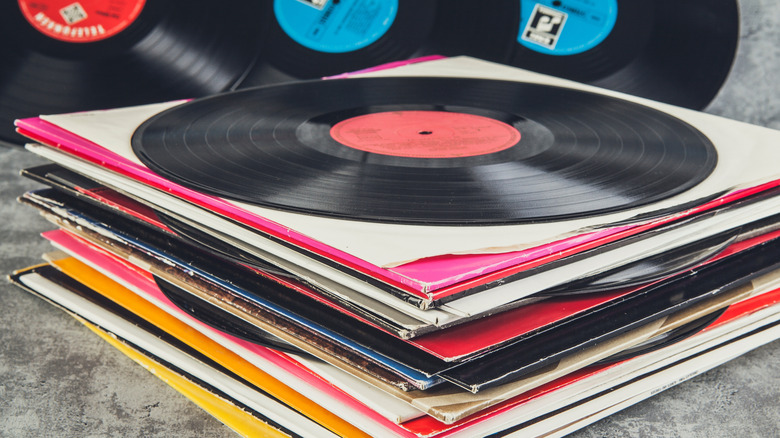
Of course, one way to circumvent this is by buying physical copies of albums and ripping (copying) them to your computer — or you can always buy the MP3s of your favorite tracks to ensure you always have them. Bandcamp can be a good place to buy music directly from artists, and there's also the Amazon Digital Music Store if you want another way to purchase electronic music directly. Remember that physical media may come with additional bonus content, and certain formats like tapes or vinyl can create a more intimate experience.
Data limits can catch up quick
Those with unlimited data plans for their home wireless networks or cellular service likely don't need to worry about this much, but streaming music can eat away at any data allowances you may have. If you continuously stream music rather than keep it on your phone, this, in turn, can cause your device to continuously download additional data. This may not seem like a problem at first, but it can snowball quite quickly if one isn't careful.
As a rough example, let's say you listen to songs at a 128 kbps bitrate. This can result in you downloading 60 MB of data each hour, and a single 4-minute song can be around 3 MB to 5 MB. Changing the quality of the song can impact how much data you use, and it may be something to factor if you're determining how much data your phone actually needs. For another example, a platform like Spotify allows you to lower the audio quality down to 24 kbps, but songs may not sound as good at this lower bitrate.
One solution to this can be researching a streaming platform to see if it allows downloading songs to your device so you're not constantly retrieving them over and over. For example, Spotify allows Premium users to download songs for offline access, though you will need to remember to have the app go online every 30 days to keep said downloads. Other platforms may take additional research, but data limits can also be another pro for physical media, as well.
Artists make very little
Not to continuously focus on Spotify, but the fact that the company doesn't pay artists well can be an uncomfortable truth about the platform. Spotify can pay artists a fraction of a penny per stream, and it can take hundreds of thousands of streams for an artist to make anything significant on the platform. Unfortunately, other services aren't much better. As another example, the platform Tidal can be one of the highest payouts for artists, but even then it still averages to about a penny per stream.
The low pay doesn't immediately impact users, but it has caused some artists to leave the platforms. Big artists may be able to recoup poor streaming income, but a group just getting a name for itself may struggle with the lack of funds. It's not always pretty, but unfortunately, artists and bands often need money to keep the entertainment going. While shopping around for streaming services can be one option, there are additional ways to help your favorite acts.
If you really enjoy the work of a specific artist or group, buying from them as directly as possible can really help them out. See a band in concert if they come to your town, or look online to see if they have a store in which you can purchase merchandise or albums. By going this route, you're not just supporting the artist, but you also get a nice keepsake from the band that streaming music on a particular platform probably won't provide.
Subscriptions can cost you (and free isn't always free)
If you want to use premium features of a streaming service, then you will likely have to pay for said service. Getting a free or discounted subscription isn't impossible, but it may take some research on your end. As an example, users can get three months of Apple Music for free whenever they buy certain products. However, outside of finding deals, you're typically either going to pay for a subscription or rely on free tiers, and these often have their own set of issues.
If you subscribe to multiple services, the costs can quickly add up. For example, a Premium Individual subscription to Spotify can run users $12.99 per month (plus tax), whereas the aforementioned Apple Music can be $11.99 per month. A good portion of platforms offer free options, but these options are usually infested with ads or hinder certain features such as limiting your ability to queue songs.
If you want to enjoy music without paying a cent, there are options. First, you can always visit your local library to see if it has any CDs or other media you can borrow (we find it to be an especially great alternative for streaming movies), and some places may even offer additional services, depending on the location. For example, one library in Cleveland offers cardholders a free subscription to the platform Hoopla. FM radio can also be a good choice, though you can also research events in your city to see if any bands are playing free shows.
Algorithms can trap you
There's little doubt that today's music streaming platforms are home to large libraries of songs and albums. Spotify boasts it has over 100 million tracks on its platform, and Apple Music also brags about similar numbers. With such large libraries at your fingertips, one could assume that this provides a wide variety of options when searching for new music. Algorithms can be good for giving streaming services ideas on what to recommend you, but there are also some major faults.
One of the ways streaming platforms may be limiting your access to new music is through filter bubbles. Essentially, streaming platforms have algorithms that influence what the app suggests to you. These algorithms can be influenced by a number of factors, such as the songs you skip or the tempo and key of songs you like. Algorithms can also be influenced by others with tastes similar to your own. This, in turn, can create feedback loops, where your tastes never get to truly evolve.
You can try adjusting your algorithm by playing new tracks every day, though this may have varying results. Instead, users can look for streaming alternatives that rely on the human element for suggestions. This can include the Hi-Res platform Qobuz, or even radio alternatives like Campus FM or KCHUNG Radio. Be sure to explore options on your own, as well. You can also visit a local record store in your area and talk to someone who works there — they're sure to have a recommendation.