

4 Camera Accessories You Should Buy On Amazon (And 4 You Shouldn't)
We may receive a commission on purchases made from links.
Buying a camera is just the first step you take if you're getting into photography. Once you get the hang of your gear, you'll likely want to buy upgrades and accessories so that you can make the most out of your camera. This is what I felt after I received my first DSLR camera 20 years ago — when I got used to handling my old Canon EOS 350D with its included kit lens, I wanted to get several gear upgrades. I had to ask my parents to buy them for me, though, since I was a broke teenager back then, and we had to buy them from a physical store since Amazon wasn't as big back then.
Now that I have access to adult money and own a DSLR camera in 2026, I can now buy the accessories and gear that I want for my photography. What's more, Amazon is so convenient that I can order the stuff that I want even if I'm in bed. However, if the products that I'm interested in purchasing are readily available on the e-commerce platform, that doesn't necessarily mean I will buy them there.
Which camera accessories can you buy safely online, and which ones should you avoid? These are some of the items that I bought online and some that I would only buy from a physical store moving forward.
Memory cards from established brands
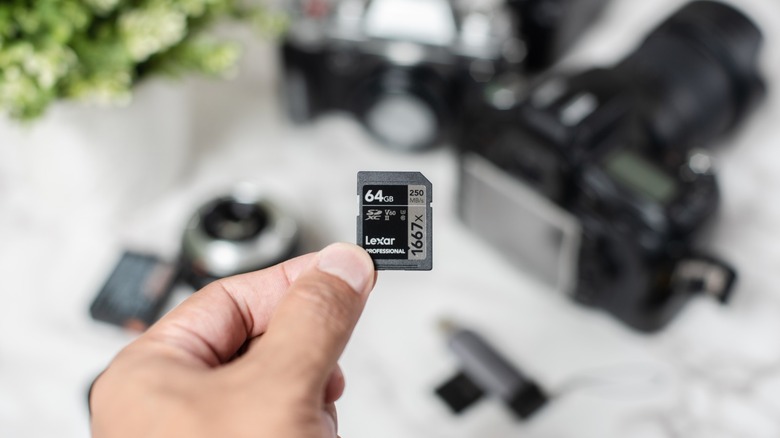
Whether you own one of the best digital cameras on Amazon, a mirrorless camera, or a DSLR, you need at least one memory card to store the photos that you take. It's for this reason why you need to purchase a good quality memory card made by an established brand. By this, I mean brands that photographers swear by like this 64GB Sandisk Extreme Pro SD Card, or this unique 128GB Lexar Armor Silver Pro SD Card, which features water, dust, and drop resistance through its stainless-steel body. If you want an even bigger capacity, we can also recommend this 256GB ProGrade Digital option.
Unfortunately, many counterfeit products that look like the real thing but are are sold online. Amazon makes it easier to protect yourself by letting you see who's actually selling the memory card — you can check for this under the "Buy Now" button. The "Shipper / Seller" should say it's sold directly by Amazon, by the brand itself, or other reputable sellers like Focus Camera LLC or Adorama. That way, you'll have the peace of mind that you're getting the real thing from a reputable seller.
It's also a good idea to buy multiple smaller memory cards instead of a single big one. That way, even if one of your memory cards fails for some reason, or you misplace it, you won't lose all your photos. You'll also probably want a relatively fast SD card that's at least U3 and V30 – although higher is better — ensuring that the memory card doesn't become a bottleneck when you're using your camera's burst function.
Camera straps
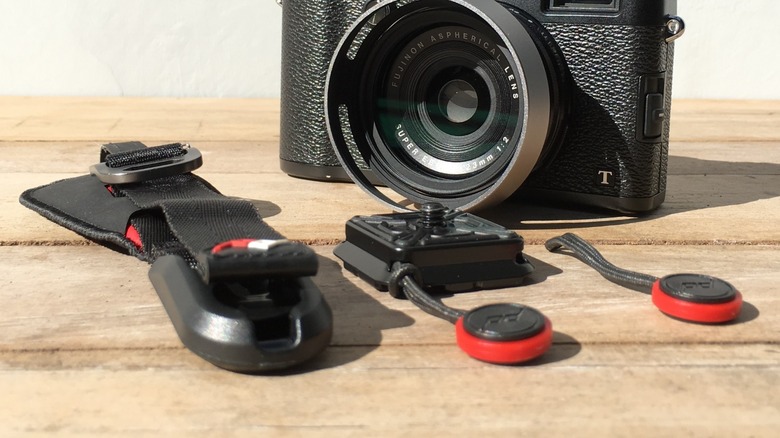
Most cameras come with a basic strap, but it's also a good idea to get a custom strap for your gear to match your lifestyle. For example, I have two straps on my camera for street photography. I use a Peak Design Leash Strap mounted on the Ulanzi F38 Quick Release Mount when I'm just walking about. But when I'm actively shooting, I remove my camera from the strap and use the Peak Design Clutch Hand Strap to keep it secure. When I was a wedding photographer, I used a double camera strap like the BlackRapid Double X for quick access to my two cameras and heavy lenses.
Aside from this flexibility, the other thing that custom straps deliver is stylish design and easy adjustment. You can find straps with many different designs, so that you don't get stuck with a simple black strap hanging around your neck. They're also typically much easier to adjust — changing the length of the strap usually takes a second or two for some models, compared to the ones that come with the camera, which can take a minute or two and require some effort.
Of course, you don't have to buy the most expensive option if you're just doing this for a hobby or you only use a relatively small camera. Aside from those mentioned above, also consider camera straps from Think Tank or Small Rig, which are known for making quality gear. It's a good idea to stick with these reputable brands — all of which have official stores on Amazon.
Lens hoods
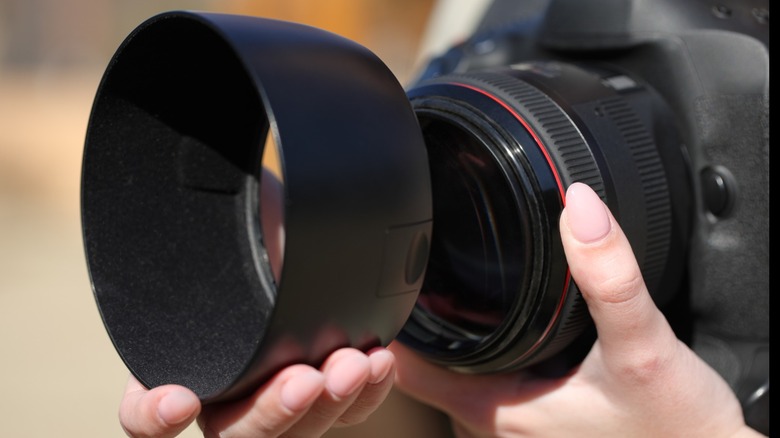
Many people don't bother putting a hood on their lens, but it's a crucial accessory that does two things — prevents stray light from entering your lens, and protects it from accidental bumps and scratches. It achieves the former by blocking out or reducing the light rays from outside of your frame from hitting the lens, cutting down on unwanted lens flare. As for the latter, it serves as a sort of bumper, absorbing the energy if you accidentally hit the front of the lens on a hard surface, thus reducing the chance that you'll scratch or break the glass on your lens.
While you might want to buy an original lens hood, like the Canon EW-53 for the Canon RF-S 18-45mm f/4.5-6.3 IS STM on the official Canon store, it's quite expensive at $32.99. You can instead hop on Amazon and search for "the name of your lens" + "lens hood," and you'll easily find cheaper alternatives that work just as well. For example, when I searched for a lens hood for the lens I mentioned above, I found several highly rated alternatives, like this JJC Lens Hood for Canon RF-S 18-45mm, which only costs $8.99.
Because lens hoods are simple accessories, often made of plastic or light metals, you don't have to worry about getting a part that won't work well with your camera. As long as the lens hood that you buy is specifically made for your lens, you won't have any problems at all.
Good quality filters
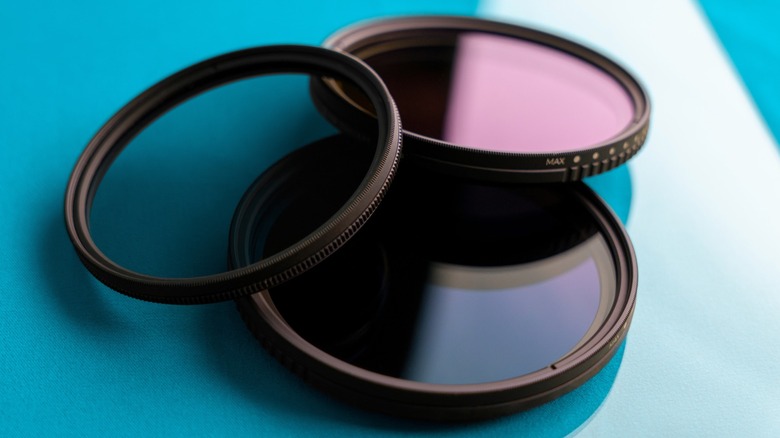
Even though a UV filter may look just like a single piece of clear glass, it's still a good idea to get one from a reputable brand — like the B+W Master UV Filter or the K&F Concept Nano-X UV Filter. While you can get away with a cheaper filter, like the Amazon Basics UV Protection Filter, they typically have worse performance in challenging situations. It's also a good idea to look up how to properly use UV filters so that they don't interfere with your image quality.
The UV filter you buy must match the filter thread size marked on your lens, especially as you will likely keep it attached all the time for protection. You can check this on Amazon, as you can easily see the available filter diameters on the product page. So, whether you're looking to splurge on an expensive B+W filter, or just want to buy a cheap Amazon Basics option, you must select the correct filter diameter for your lens before checking it out.
Aside from UV filters, you can also get a variable neutral density (ND) filter for landscape photography or a circular polarizer (CPL) to cut down on reflections. As usual, you should get them from good-quality brands, but instead of buying one that has the same filter diameter as your lens, you can get the largest possible option and then match it with a step-down adapter. For example, this 49-82mm adapter will let you attach massive 82mm filters to the relatively tiny Canon RF-S 18-45mm lens. That way, you'll only need to buy the filter once, and you can still use it in the future if you get a lens with a larger filter thread size.
Cheap tripods
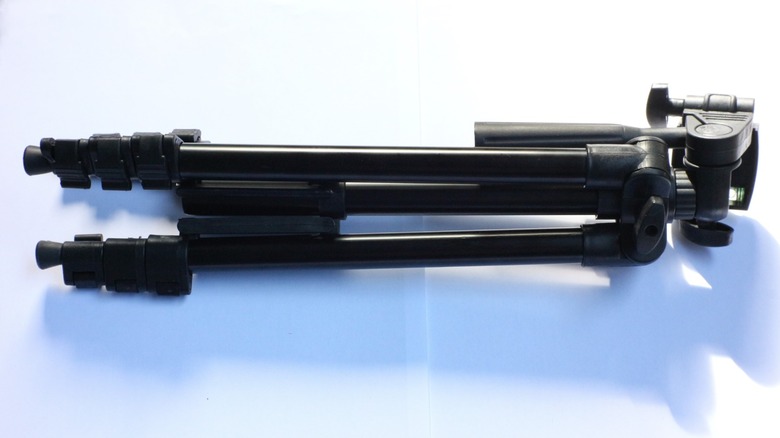
Tripods are one of the useful accessories every photographer should have, but that doesn't mean that you should just buy the cheapest one that you can find, especially if it's from Amazon. That's because the ratings and reviews for cheap tripods on Amazon can be misleading. For example, consider the Amazon Basics 50-inch tripod, which costs $17.99. It's highly rated, at 4.5 stars from nearly 200,000 reviews. While it may do the job for holding your camera, especially when it's new, several users say that it doesn't remain stable, especially if carrying heavier equipment. There are also several questions about its durability, particularly for outdoor use. We also see the same issue with this $14.99 50-inch Aluminum Camera Tripod — it has a relatively high four star rating from over 4,000 reviews, but many users say that it's flimsy and feels cheap.
If you're new to photography and want to dive deeper into it, you might be fooled into thinking that these cheap Amazon tripods are good choices. While they might be passable to put a light digital camera or smartphone on, once or twice a year for family gatherings, they'd definitely fall short if you plan to use them weekly or for work for several years.
Although you may be able to find some reliable tripods on Amazon, if you don't have a specific brand or model in mind, it might be a good idea to look at options from e-commerce platforms that focus on photography, like B&H Photo and Adorama, and sort the results by "Top Rated" or "Highest Rated." These stores will often show tripods that could last you a lifetime.
Third-party camera batteries
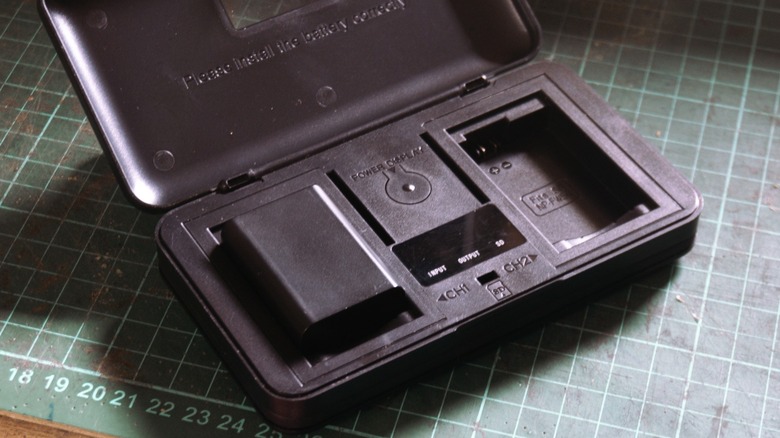
Aside from the memory card, a spare camera battery is one of the first upgrades I'd usually recommend to a first-time camera buyer. That's because your camera would be nothing but a useless paperweight if it doesn't have power, so it's a good idea to have one or two spare batteries in your bag.
I often purchase spare batteries alongside a new camera, but if you're already at home with your brand-new camera on your desk, you might be considering a spare battery from Amazon. If you search for the particular battery model of your camera on the online shopping platform, you'll likely find options from reputable brands like K&F and Ilano. Even though these might have high ratings and positive feedback, it's still wise to stick with original batteries, even though they might be more expensive.
That's because OEM parts are typically built to a higher standard, meaning they often have better longevity than off-brand products. This is crucial if you're a professional shooter, as having to replace batteries in the middle of a session can affect your workflow. But even if you're a hobbyist, these are devices that you shouldn't skimp on.
The first camera bag you see
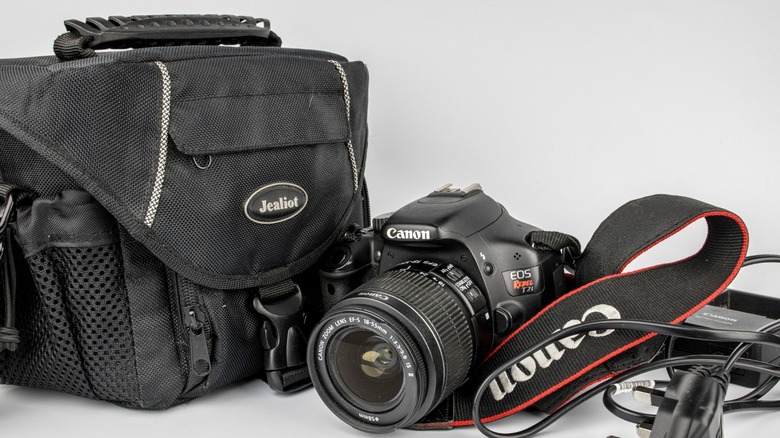
Just like the cheap tripod, many shops throw in a free camera bag with a purchase, but that doesn't mean you should settle for it. These bags are often flimsy, offering little protection, with material which tears or degrades easily — not something you want to happen with an expensive bit of kit inside. If you've decided to upgrade, don't just go to Amazon, search for "camera bag," and purchase the first one that appears in the listings.
The biggest reason here is that the e-commerce platform puts all the available options in a single list. So, unless you know exactly what you want, you'll likely miss out on possible form factors and capacities suitable for your needs. I avoid Amazon Basics when it comes to bags, especially since it was accused of copying the Peak Design Everyday Sling with a far cheaper model. Though more affordable, Peak Design claims that Amazon's knockoff is of poorer quality due to inferior materials.
It's for this reason that I prefer other sites like B&H Photo when shopping for a bag. When you type in "camera bag" on the website, the search result will show you different camera bag categories, like shoulder bags, sling bags, backpacks, rolling cases, watertight cases, and more. That way, you can immediately select one category to see the options available there. But if you're still not sure about which type of bag you want, you can select the free chat or video support to ask for advice from B&H experts.
Expensive lenses
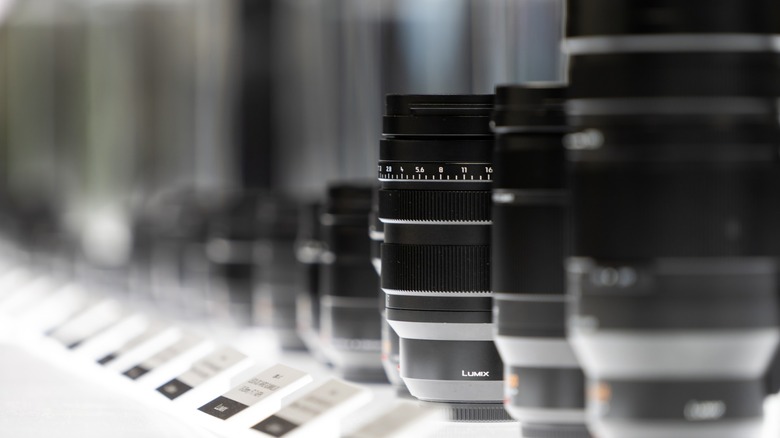
Lenses, especially top-tier expensive models, are major investments. So, you want to ensure that the buying process is as smooth as possible. While you can certainly get these items from Amazon, you run the risk of something going wrong with your order.
For one, your lens could get stolen during shipping or after it gets delivered. This is especially true if your package arrives when you're not at home and a porch pirate takes an interest in the boxes on your doorstep. You also need to buy from the official store (sold by Amazon or the brand) if you're picking out lenses on Amazon. That's because there are some sellers on the marketplace that offer cheaper gray market lenses that aren't covered by warranty. Shoppers have previously reported receiving lenses worth far less than the model they ordered, or poorly packaged lenses, damaged during shipment.
For big ticket items like these, I'd recommend that you go to a local shop so you can test the lens in person. Doing this, you can also ensure the lens has been handled properly from the warehouse all the way into your hands. If you cannot avoid buying a lens online, consider looking at the brand's official page first, or at photography-focused online sellers.