

10 Useful Accessories Every Photographer Should Have
We may receive a commission on purchases made from links.
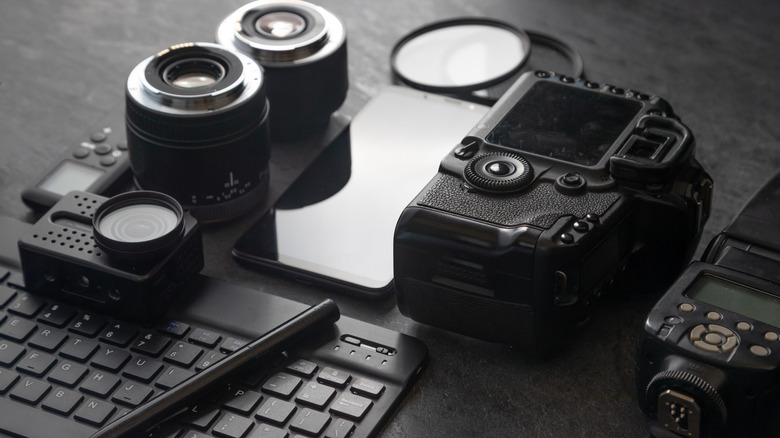
If all you want to do is take a few photos, then the phone you have in your pocket is more than enough. In fact, your smartphone camera is so good that there is simply no need for budget digital cameras anymore. If, however, you want to take really good photos, then the bare minimum is a good Digital Single-Lens Reflex (DSLR) or mirrorless camera with the appropriate lens, and the knowledge to make the most of this powerful tool. DSLRs don't hold your hand and can leave you open to many mistakes that make your photos look worse.
However, by using the right accessory at the right time, you can make your life easier, elevate what your camera is capable of doing, or preferably both at the same time. Some accessories aren't essential, of course. Some of them are just there to help you until you've gained more experience, while others are crucial only to specific niche genres of photography, such as the diffuser hoods used in high-level macro photography.
Here, we have a set of accessories that are actually, generally, essential for any photographer. You might not use every single one on every shoot, but you will need them all at some point, no matter what sort of photography you do.
A fast, reliable memory card (or three) is just as important as your camera
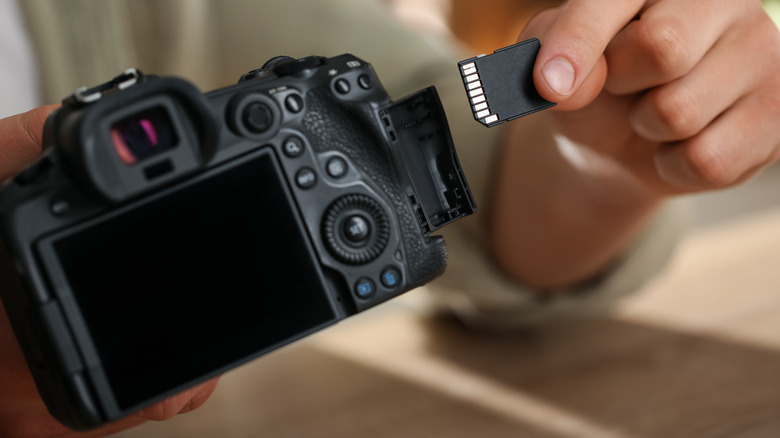
Although we recommend that you don't buy SD cards until the pricing madness comes to an end, the fact of the matter is that if you're wielding a good modern camera, it needs a good SD card to go with it. If you put an SD card into a camera that's not up to handling what the camera is laying down, it becomes the bottleneck for the speed and quality your camera can achieve.
Understanding SD card classifications isn't hard, but it would take more space than we have to unpack it all here. The most important thing to know is that an SD card has a minimum speed rating, a maximum speed rating, and a write endurance rating. The speed ratings relate to both reading from and writing to the card. For the camera, write speed is the most important. Read speed matters later when you want to transfer your data to a computer.
Your camera should have a recommended minimum card requirement, which could vary by the type of content as well. For example, the minimum card recommended to record 4K video at 60 frames per second (fps) continuously usually has a V60 or V90 Video Speed Class rating and is likely to be significantly more expensive than the one you'd need for taking high-quality photos in short bursts. If the card you use can't keep up with how quickly the camera needs to write to it, then you can expect errors that result in lost photos or video.
A sturdy tripod instantly expands what your camera can do
A camera is a highly engineered, extremely precise instrument. A human is a wibbly-wobbly, mostly-water lump of jelly. This has been a problem in photography almost from the beginning, and it took a long time for engineers to create cameras that can take sharp photos while the photographer holds the camera in their hands.
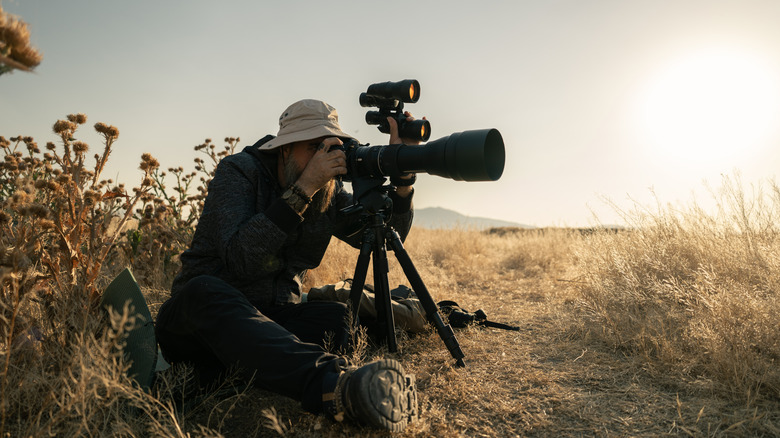
Modern DSLRs have optical stabilization either in the camera body, in the lens body, or both. This sophisticated hardware, along with the clever software that drives it, is why you can take decent photos hand-held, but even so, it will never be a substitute for a proper tripod. There is nothing more fundamental to a photographer's kit than a good tripod, and there's never been more choice when it comes to picking one.
To the untrained eye, all tripods might seem like much the same thing, but there are important differences and purposes between the types and tiers of tripods. Some are meant for videography, and others for photography — and some can support both. They have weight ratings, and many offer advanced features that can help with leveling your camera or allow you to quickly attach or release it from the base. Having a good tripod opens up a huge number of possibilities. For one thing, you can photograph yourself, but mainly it gives you a stable platform for taking photos that aren't just spur of the moment, or photos where you have to wait for the right moment, like nature or sports photography.
Extra batteries can save an entire shoot
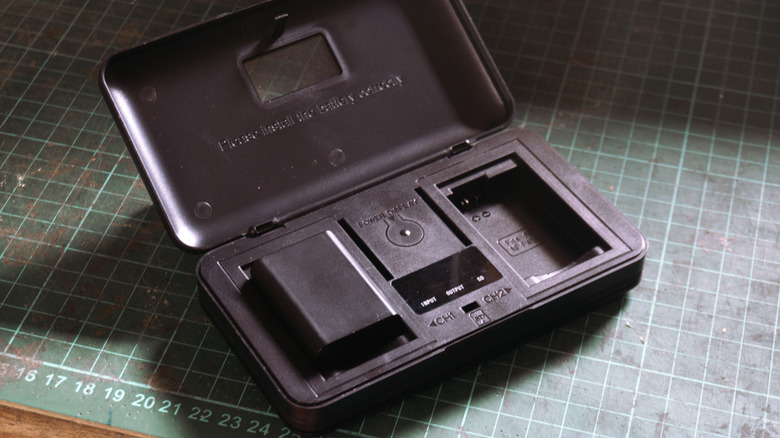
Modern cameras need electricity to work, and that means they use batteries when you don't have handy access to main power. Those new to the DSLR game might be surprised at how quickly taking photos will drain a battery, and let's not even mention the speed with which video recording will drain your cells.
Taking only a single battery with you on a shoot or trip is a recipe for disappointment. Every photographer should have at least one charged extra battery, and your own shooting habits will soon teach you how many more you actually need. There are also ways to limit battery drain. For example, if you use your camera's LCD screen instead of the viewfinder, it uses more power. Likewise, shooting 4K video uses more power than Full High Definition (FHD) video, which means you might reconsider the need to shoot at the highest possible quality all the time.
Good power management aside, you still need backups, and it's best to buy first-party official batteries for your camera model, even though there may be many third-party substitutes for most popular cameras. We aren't saying these batteries are bad or that they will damage your camera. However, don't expect warranty-based sympathy if an unofficial battery does end up damaging your camera. You might also want to consider investing in a portable charger that can hold your batteries safely while you aren't using them.
A quality camera bag or backpack protects your investment
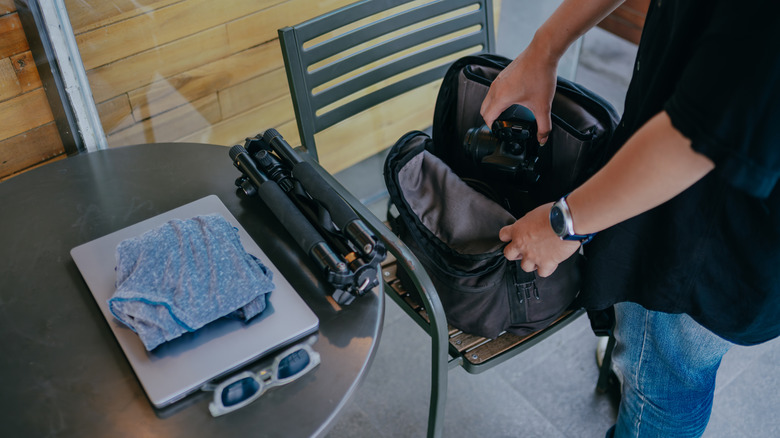
Whether you're buying a used DSLR or splashing out on a brand new model, cameras are not cheap. With some exceptions, they're also devices that you take with you into the great unknown, where anything could go wrong in transit. This is a recipe for sorrow, which is why you need the right bag for your camera. Not only will this protect your pride and joy, but it also gives you a way to transport your accessories, too.
Your options are broadly between a bag, such as one you sling cross-body, or a backpack. That's a personal choice, but whichever style of bag you settle on, the key considerations are similar. You want quick access to your camera gear and accessories, but you also want your gear to be protected. At the same time, the bag has to be comfortable enough to wear for hours.
Higher-end camera backpacks have openings all over the place, with numerous compartments. This allows you to, for example, remove a lens at the bottom of the bag by unzipping a side opening. It's also worth looking for a camera bag with good anti-theft features. For example, some camera backpacks can be locked or only opened when you take them off. This makes it less likely that a pickpocket will run off with a $1,000 lens without you being any the wiser.
Lens filters still have a place in digital photography
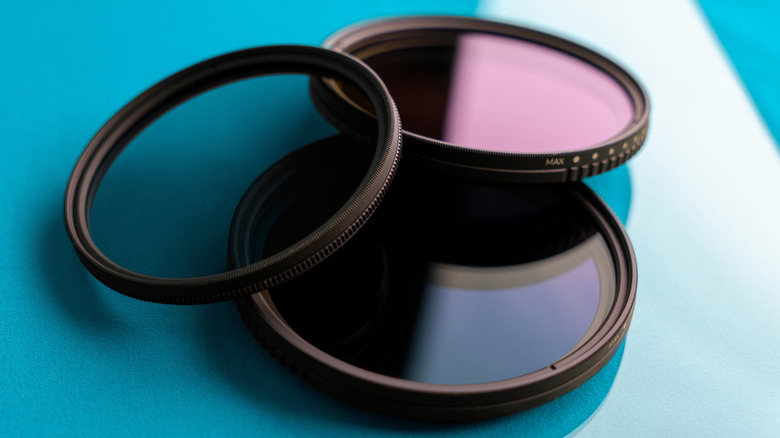
A modern DSLR can take RAW images, which contain an absurd amount of information about every pixel. Then, using software like Adobe Lightroom, you can apply digital image filters that can transform what a photo looks like, which makes many shy away from using filters.
Yet there are still several good reasons why you would want to filter the light you capture before it gets saved to an SD card. Camera filters allow you to control the light entering your lens, and can have a transformative effect on your photos. For example, an ND (Neutral Density) filter evenly reduces the total amount of light entering your camera without altering its color. That's pretty handy when you don't want to use your aperture control, or are at its limit. Likewise, a polarized light filter can remove reflected light from shiny objects like metal or the surface of water, which is why it's an essential accessory for drone enthusiasts, too. Flying over water with a polarizing filter lets you see under the surface to some extent.
Filters also have the secondary function of protecting your lens, and they are relatively cheap compared to the cost of scratching or cracking a lens. There's a wide variety of filter options for most popular DSLRs, and some let you experiment in ways that your camera can't achieve by itself. The good news is that filters are often sold in kits that include all the options you'll likely need.
A cleaning kit keeps your gear performing at its best
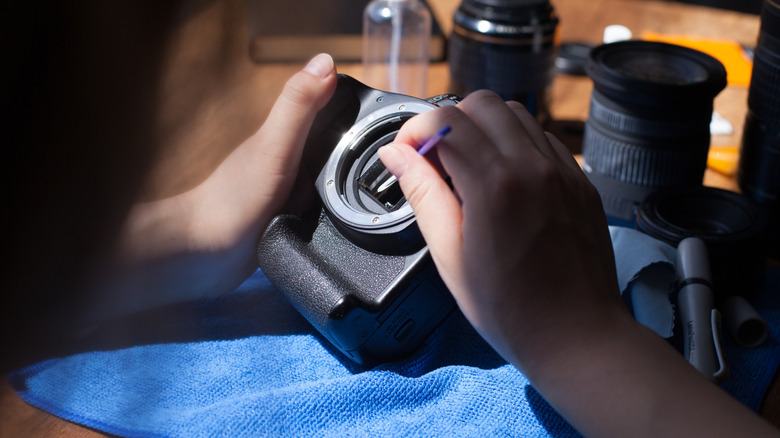
A DSLR (or any camera) is a complex device with moving parts, sensitive electronics, and a job that exposes it to plenty of environmental hazards. That means you need to maintain your camera, and that's not just sending it in for a professional service every year.
It might seem a little scary, but cleaning and maintaining your lenses and image sensor is easier than it looks. Just invest in a proper camera cleaning kit, and put some time aside at regular intervals to clean your camera in accordance with the manufacturer's instructions.
Cleaning a modern DSLR involves cleaning all glass with the right cloths, solutions, and brushes, checking that buttons and knobs aren't clogged up with dirt, and clearing the image sensor of dust or any other debris carefully with an air blower and special swabs. This is one of those things where we strongly suggest you watch a cleaning guide for your specific model of camera, so you know what to expect and can see what cleaning looks like before you attempt it yourself. Taking a cleaning kit with you on a shoot can be a lifesaver if you notice that there's dirt on your sensor that the automatic sensor cleaning function can't resolve.
An external SSD makes backing up photos much easier
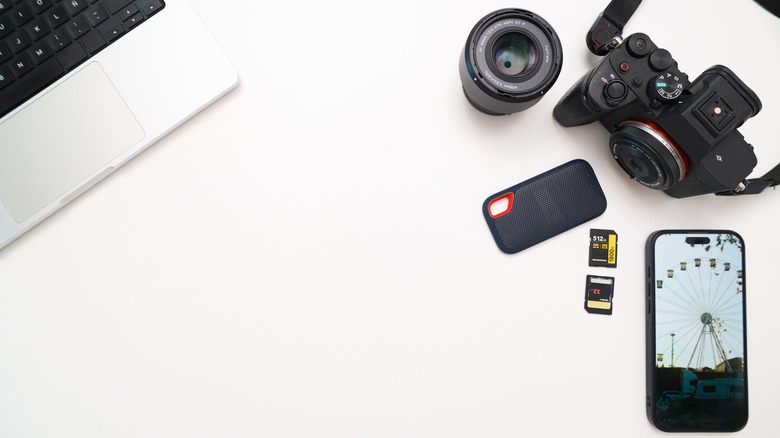
SD cards are essential for photography these days, but they aren't a reliable form of storage. SD cards are small and perform well, but it's in your best interest to move your photos and videos to a safer storage format for the long term.
This is why many photographers these days make a portable SSD part of the base kit. SSDs are more reliable than hard drives because they have no moving parts and are much more robust when it comes to absorbing physical impacts. The flash memory in an SSD is also of a much higher quality than what you'd find in an SD and is designed for long-term primary storage.
Of course, you can't connect a USB SSD directly to your DSLR, which means you need a computer with an SD card reader and a free USB port to make the transfer. However, having a computer (or better, an on-site laptop) is so essential that it doesn't need to be on this list. That said, devices that support USB storage, such as more recent models of iPad, can also be used to make the transfer. It's also possible to simply connect your camera to a laptop, iPad, or other compatible device and copy the contents directly to the computer. That means you might not strictly need a USB SSD if you have enough room on your laptop, but on balance, an SSD is a versatile and robust solution for storing your work until you can make more online and offline backups.
A portable LED light can rescue difficult shots
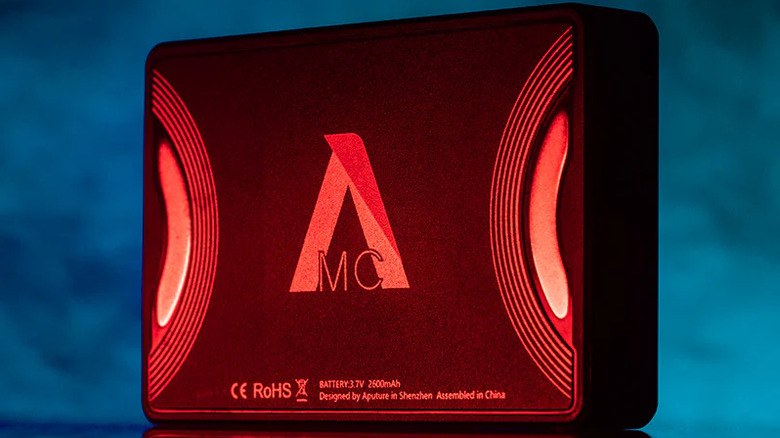
The word "photograph" literally means "light drawing." It is literally the art of manipulating and capturing light to make an image, and the camera itself is only part of that process. A much more important element in how good the final photo looks is the actual light that's present in the scene when you capture it. A perfectly-lit photo taken with a cheap camera will look much more pleasant to your eye than a poorly-lit photo taken with the most expensive camera in the world.
We already covered lens filters, which are one way to manipulate light before you capture it, but bringing your own lights is the other. This is nothing new, since anyone who has ever had a school or family photo taken has seen the big flashbulb lights that blind you but make your skin look flawless. However, photography (and videography) lights have traditionally been hot and bulky. Today, thanks to LED technology, that's no longer true. For example, the Aputure MC is a small, battery-powered LED light that can be programmed to virtually any color and color temperature. With one or two of these in your kit, you can make fast adjustments to indoor shoots and even to outdoor shoots after dark.
This is also a good time to bring up reflectors. A good reflector kit won't cost you much, and lets you make the most of the light you have by redirecting it as needed.
A remote shutter release eliminates camera shake
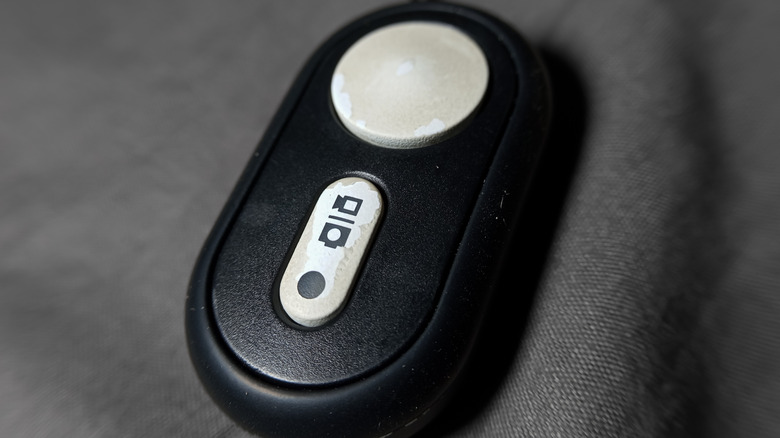
If you take photos with a smartphone, you're probably used to the idea of triggering your camera remotely. For example, on Samsung Galaxy phones, you can simply say "capture" and the app will take a photo. Likewise, many camera drones support gesture-based triggering. Make the right-hand signal, and the camera takes a photo a few seconds later. This frees you up tos shoot from pretty much anywhere and also helps prevent camera shake.
If you're lucky, your modern dedicated shooter might also have a built-in way to trigger it remotely. Alternatively, if you have a DSLR that supports Wi-Fi or Bluetooth, there might be a phone app you can use to control and trigger the camera.
If your camera doesn't support this, your remaining option is to buy a remote camera trigger that can be wireless or wired, depending on what your camera supports. You might think this is about selfies, but really, the most important use for a remote trigger is avoiding any sort of shake from the mechanical action of pressing the shutter button. For example, if you're taking a macro photo or an extreme telephoto shot, even the slightest bump can mean a blurry photo. It's also useful if your camera needs to be mounted in a place where the shutter button would be hard to reach. Maybe you've set it up very high or very low, and can't actually operate the shutter button. Hence, the need for a remote.
A camera strap upgrade makes carrying gear far more comfortable
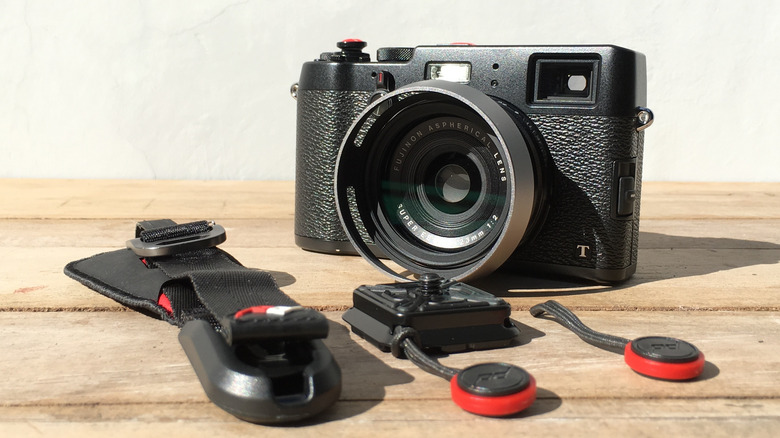
While a camera should be treated like an extension of the photographer's body, unless you were born with an integrated quarter-inch thread mount, you probably need to buy some sort of accessory to achieve that. This is where the humble camera strap comes into the picture (ha!), and there is a surprising, staggering, intimidating amount of choice when it comes to picking your strap.
Not only is this a highly personal choice, it also depends to a large extent on what style of shooting you're doing. Some straps mainly let you shoot all day without becoming fatigued, while others are great at helping you make stable handheld shots without a tripod. Some straps fit loosely, but others strap your camera tightly to your body. Peak Design straps have become something of a gold standard. Or, should that be red standard? After all, those red and black quick-release thingies you see in the photo above have become a subtle signal that you're looking at a serious photographer.
Jokes aside, if you don't want to constantly transfer your camera from your bag to your hand and back again, a good strap lets you remain ready to shoot at a moment's notice without requiring the biceps of a circus strongman. This is also one of those accessories where you should not be afraid to increase your budget, because it's also the accessory you'll be handling almost as much as the camera itself.