

5 Android Phones To Consider Instead Of The Pixel 11 Pro
We may receive a commission on purchases made from links.
The Pixel 11 Pro is one of the most complete phones Google has ever launched, combining the Tensor G6 chip with advanced cameras and a compact 6.3-inch screen. Add several new Pixel 11 features, and you get one of the most complete phones on the market, but that doesn't mean it is the only option. At $1,099, the Pixel 11 Pro sits in the same price range as other major industry flagships. You can even find alternatives from Samsung and OnePlus for less than what Google charges for its own model. Some smartphones even offer a better processor for gaming, while others prioritize foldable screens or longer battery life.
Depending on what matters most to you, spending a similar amount, or even a little less, can result in a smartphone better suited to your type of use. For that reason, we selected the best Android smartphone alternatives to the Pixel 11 Pro, with similar prices and specs, for anyone considering alternatives to Google's phone.
Galaxy S26
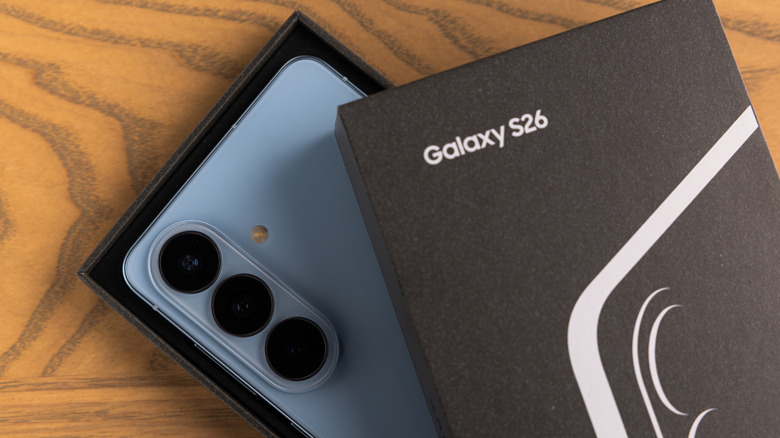
For anyone who wants a compact phone, the Galaxy S26 is an alternative to the Pixel 11 Pro, especially if you want more performance. It costs $899 with 256GB of storage, around $200 less than Google's phone, but comes with a similar screen and a Snapdragon 8 Elite Gen 5, one of the best chips for games in 2026.
In contrast, the Pixel 11 Pro has the advantage in camera quality and battery life. The Galaxy S26 camera has a 50 MP main, a 12 MP ultrawide and a 10 MP lens with 3x optical zoom, while Google offers a 50 MP main, a 48 MP ultrawide and a 48 MP lens with 5x zoom. S26 also offers a smaller battery at 4,300 mAh compared to the Pixel's 4,850 mAh, which isn't a huge difference, but it could matter when you're in a pinch.
Beyond that, both models offer some of the longest software support among Android smartphones, so they do well in the long run. You can also buy the S26 in the Ultra version, but it costs more than the Pixel 11 Pro and is an option for those willing to pay more.
OnePlus 15
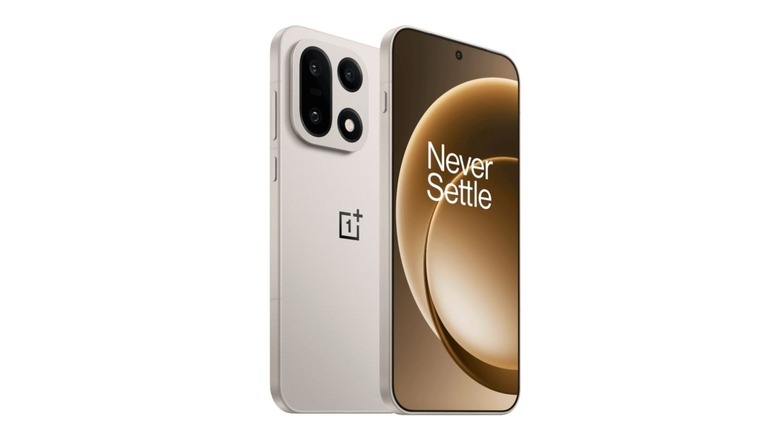
The OnePlus 15 is the right alternative to the Pixel 11 Pro, especially for those who want more autonomy. It starts at $899 and comes with 12GB of RAM and 256GB of storage, plus a 7,300 mAh battery. That's one of the best battery-life Android devices in 2026, and it also has 80W wired charging and 50W wireless charging.
Gaming performance also favors the OnePlus model. Powered by a Snapdragon 8 Elite Gen 5, it handles games and heavy tasks better than Google's Tensor G6. Its 6.78-inch screen can also reach 165Hz in compatible games, while the Pixel 11 Pro bets on a more compact body.
Google's phone, on the other hand, has an advantage in cameras and long-term support. The OnePlus 15 has three 50 MP sensors, but its telephoto offers 3.5x optical zoom, below the Pixel's 5x. OnePlus promises four major Android updates and six years of security patches, against seven years offered by Google.
POCO F8 Ultra
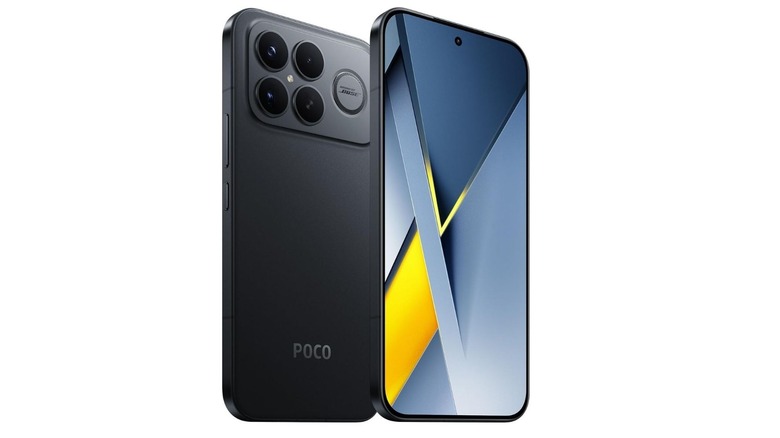
The Poco F8 Ultra is another Pixel 11 Pro alternative that focuses more on hardware than software, offering a good chip for around $889 through resellers. The smartphone is equipped with a Snapdragon 8 Elite Gen 5, 12GB RAM and 256GB storage, and thanks to its strong performance, the F8 Ultra is also an Android Phone more powerful than the OnePlus 15, not just the Pixel 11 Pro.
This Poco F8 Ultra model also has a better battery. It packs a 6,500 mAh battery, which is larger than the Pixel's 4,850 mAh, and supports 100W wired charging or 50W wireless charging. In continuous-use tests, the Poco F8 Ultra lasted around 16 hours 32 minutes, compared to the Pixel 11 Pro's 13 hours 29 minutes under the same conditions.
The AMOLED screen is also bigger, at 6.9 inches, and the camera set includes three 50 MP sensors, including a periscope telephoto with 5x optical zoom. The POCO F8 Ultra, by contrast, isn't as widely available in the United States as the Pixel 11 Pro, being sold only through resellers.
REDMAGIC 11S Pro
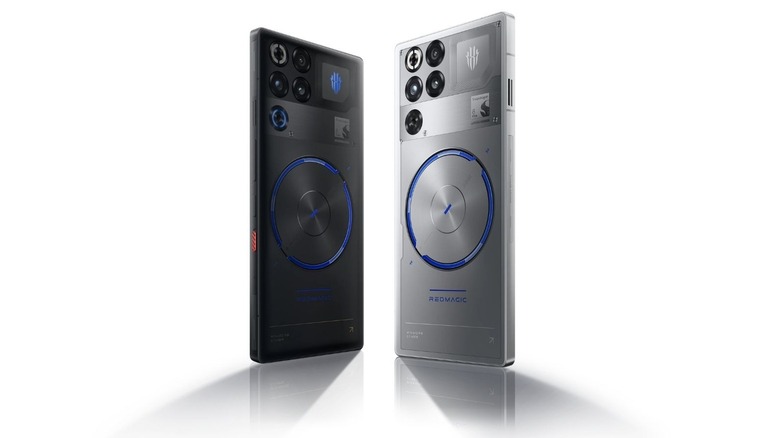
The REDMAGIC 11S Pro is a great option for anyone who wants a powerful phone while paying a little less than the Pixel 11 Pro. Starting at $899, you get a newer phone with 12GB of RAM, 256GB of storage, and a Snapdragon 8 Elite Gen 5, plus the RedCore R4 chip, which is a processor designed for better gaming performance. The device also has an AMOLED screen, side triggers, and a liquid cooling system, making this one of the best models for those looking to game on their phone.
More demanding games, such as "Genshin Impact," or competitive titles like "Fortnite" can take advantage of this greater raw power for longer. That is because the cooling system can reduce the performance drops phones usually suffer from internal heating. However, in exchange, the user gives up the cameras, which are inferior on the 11S Pro, and long-term software support.
Galaxy Z Flip8
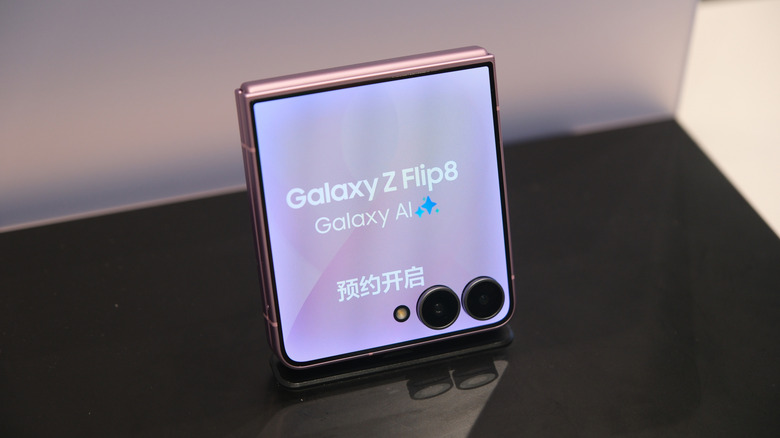
If you want a foldable phone but think Samsung and Motorola flagships are too large or expensive, the Galaxy Z Flip8 is a good option, even though it takes a different approach from what Google did with the Pixel 11 Pro. At $1,199, it's a little more expensive, but you get a foldable phone instead of a traditional design. When closed, its 4.1-inch external screen lets users access notifications, apps and some other features without opening it.
When opened, the Galaxy Z Flip8 reaches 6.9 inches and uses the Snapdragon 8 Elite Gen 5 for Galaxy, so performance stays strong for games, demanding apps, and multitasking. This foldable format also lets you prop up the device for photos, videos, or calls, and several main Galaxy Z Flip features take advantage of this flexibility. On the other hand, the Pixel 11 Pro offers a better photography set, especially for zoom.
How we chose the best Pixel 11 Pro alternatives

To select the best alternatives to the Pixel 11 Pro, we focused on Android models with a price range similar to Google's phone, prioritizing those that deliver a flagship-level experience. Since they are models for specific audiences, each one can deliver better performance than the Pixel 11 Pro in different areas, winning in some points but having trade-offs in others. We considered hardware, battery life, camera quality, and each model's exclusive features.
We also considered each model's availability and price to see whether the price tag makes sense for the RAM and storage each smartphone offers. So, each model needed a clear reason to be considered instead of the Pixel 11 Pro and advantages that made sense, so we varied the choices to avoid phones with the same proposal.