

How Has The iPhone 17 Aged After A Year?
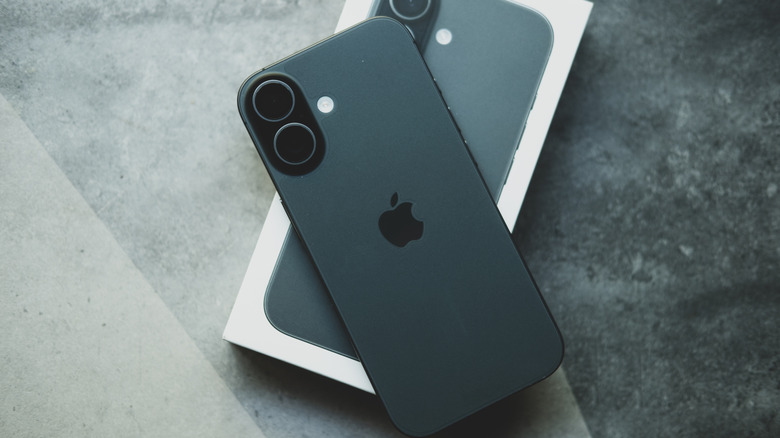
The iPhone 17 is about to celebrate its first anniversary. Apple will unveil new models from the iPhone 18 series on September 9. However, unlike the previous year, the standard model isn't expected to receive a replacement. The iPhone 18 is rumored to launch in March. The company is reportedly focusing on premium phones this year, including the iPhone 18 Pro models and the first foldable iPhone. Reports also say that Apple will increase starting prices for the iPhone 18 Pros in response to rising RAM and storage costs. Buying an old iPhone model right before Apple unveils the next generation wouldn't be advisable in a regular cycle. But taking all these developments into account, purchasing the iPhone 17 in September 2026 makes a lot of sense, especially considering that the smartphone has aged much better than its predecessors.
Last September, Apple gave the standard iPhone a massive upgrade, turning the device into almost an iPhone 17 Pro. This made us recommend preordering the $799 iPhone 17 instead of more expensive models. We also explained in our iPhone 17 review why the handset offers amazing value. Indeed, the phone was a success from the start. The standard iPhone 17 was sold out for months, according to our weekly checks in late 2025. Stock disruptions lasted from late September through December.
The biggest upgrade the iPhone 17 received was to the display. While the handset features the same overall design as the standard iPhone 16, Apple gave the device a 6.3-inch AMOLED display that offers the same performance as the iPhone 17 Pro's 6.3-inch screen. The iPhone 17 supports 1-120 Hz dynamic refresh rates, always-on functionality, and the same Ceramic Shield 2 cover glass. Everything else is identical: 2,622-by-1,206 resolution and up to 3,000 nits of brightness.
The iPhone 17 still offers high-end performance
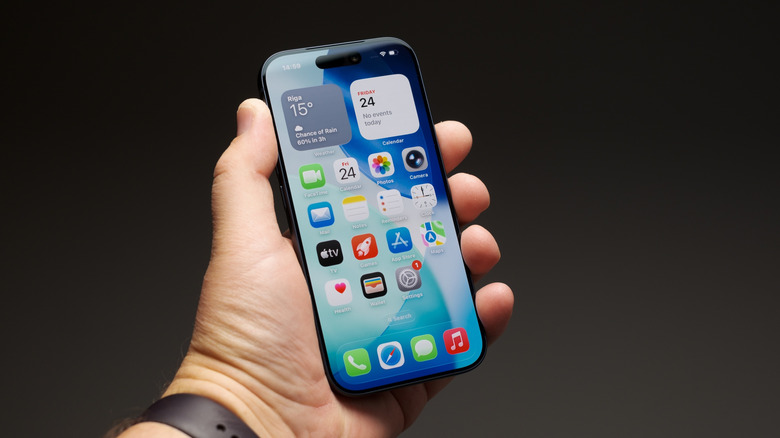
In a highly competitive mobile landscape, it's not just the iPhone 17's display that favors the handset. After all, many Android rivals come with 120 Hz AMOLED panels that offer increased brightness, high resolution, and always-on support. New devices like the Galaxy S26 series and the Pixel 11 also feature premium displays. Similarly, phones launched in China and select international markets, such as the Honor Magic 8 Pro and the Xiaomi 17 series, support high-end screen experiences.
The iPhone 17 features Apple's A19 chip, which is even faster than the A18 Pro Apple used for the iPhone 16 Pro models. To put things in perspective, Apple also used the A18 Pro inside the budget MacBook Neo laptop released in March 2026, a device that has seen positive reception from consumers. The MacBook Neo scores 3,555 (single-core) and 9,003 (multi-core) points in Geekbench 6 tests. The iPhone 17 scores 3,783 and 9,534 in the same Geekbench 6 CPU tests. The GPU upgrade is even more significant, with the A19 scoring 37,713 points in Metal tests compared to 31,530 for the A18 Pro. The A19 Pro that powers the iPhone 17 Pro models and the iPhone Air scores higher: 3,930 and 10,171 in Geekbench 6 CPU tests and 46,431 for Metal.
Over on Android, the newly launched Pixel 11 series, featuring the Tensor G6 chip, reaches 2,575 and 6,027 points in Geekbench 6, making the iPhone 17 the much faster option of the two. The Galaxy S26 Ultra, released in February, delivers almost similar speed in Geekbench 6 to the iPhone 17: 3,698 and 11,093 points. In other words, the iPhone 17 can still offer industry-leading performance, holding its own against more recent Android flagship phones.
Will the iPhone 17 get cheaper when the iPhone 18 Pros launch?
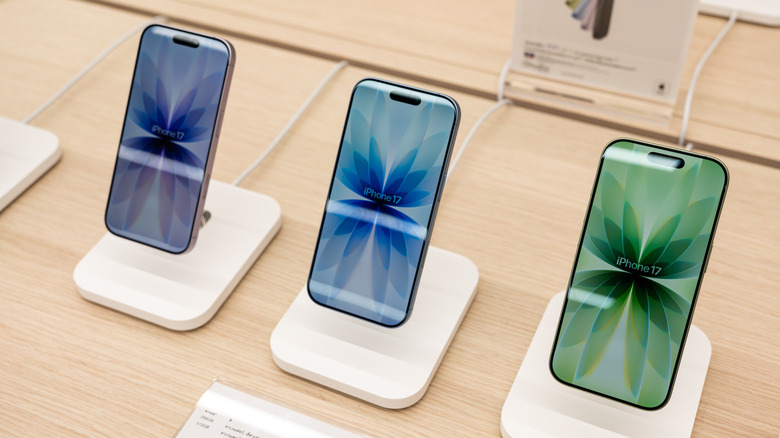
In addition to the premium display and the A19 chip, the iPhone 17 has a few other advantages. The phone comes with 256 GB of storage, in line with Android alternatives like the more expensive standard Pixel 11 ($899) and the Galaxy S26 ($899.99). The handset also features two 48-megapixel cameras on the back (wide and ultrawide). The Pixel 11 has 48-megapixel (wide), 13-megapixel (ultrawide), and 10.8-megapixel (telephoto) lenses on the back. The Galaxy S26's triple-lens camera includes 50-megapixel (wide), 12-megapixel (ultrawide), and 10-megapixel (telephoto) lenses. On the front, the iPhone 17 features Apple's new 18-megapixel lens that can take portrait and landscape images without rotating the phone, a distinctive selfie camera feature in the industry. Finally, the iPhone 17 battery can last significantly longer than the iPhone 16 (30 hours of video playback instead of 22 hours) and supports faster wired charging (up to 40 W) in addition to MagSafe support.
The only uncertainty is the price. Each September, Apple discounts the base iPhone belonging to the previous generation when a replacement arrives. This year, it seems unlikely for the iPhone 17 price to go to $699. On the contrary, some rumors say that Apple may give the iPhone 17 a price hike when the iPhone 18 Pro models arrive to offset rising manufacturing costs.
Purchasing the iPhone 17 before the iPhone 18 Pro event shouldn't be a problem. Carrier offers, trade-in deals, and Apple's leasing program can make it easier to buy the handset. The same considerations apply to getting an iPhone 17 after September 9, even in a scenario where Apple increases the starting price, as carriers will likely continue to offer free iPhone 17 promos, a deal seen throughout the year.