

There's Simply No Point In Buying These 4 Electronics Anymore
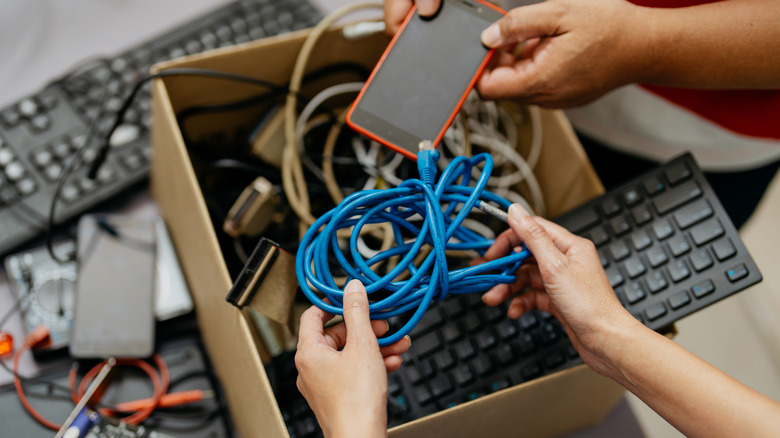
The last few decades have seen rapid technological innovation, and while that's exciting, it also means that most electronics only remain useful for a few short years. Smartphones, for example, effectively replaced standalone GPS units, portable music players, and digital cameras while introducing additional functionality with every release. However, even these have to be replaced eventually, since most phone hardware only remains competitive for five years.
Tech companies often like to keep what they're working on a closely-guarded secret until the optimal time for a press release. As such, even if you know the industry well, it's not always possible to know if you're about to buy something that'll soon be made obsolete. That said, a little research goes a long way towards helping you make better-informed purchases and ensure you're not wasting money on electronics that are already outdated, poor value, or currently being phased out. With that in mind, here are four types of electronics that are no longer worth your time.
Cheap USB cables
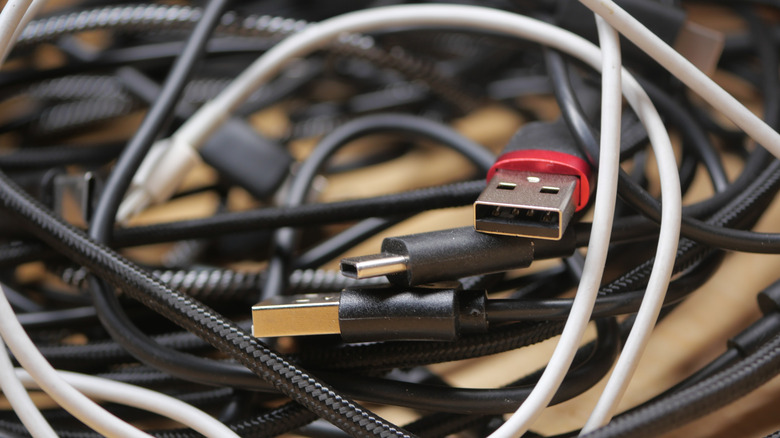
The early 2000s saw consumers move from standard USB connectors to mini USB, and then to micro USB. These days, most devices use USB-C, which has several benefits including getting rid of the infamous "which way does this fit" problem. Unfortunately not every USB-C cable is created equal. You may have noticed that some cables charge your phone more quickly than others, or perhaps you only have one cable that works with your portable monitor.
When you buy an unbranded phone charger cable, it's often unclear what you're getting. It might deliver high speeds, but more likely, it's a cheap USB 2.0 cable that may not even support fast-charging or data transfer. Be wary of listings that use words like "super-fast" without providing details; claims that aren't backed by specifically by the cable's power standards should be viewed with suspicion.
Instead, invest in a few lengthy USB 4.0 cables from a trusted brand like Anker or Belkin. These support speeds of up to 40 Gbps and can even power external displays without breaking a sweat. If it's within your budget, consider springing for a braided cable too, as these are more resilient and less prone to tangling.
Hard disk drives
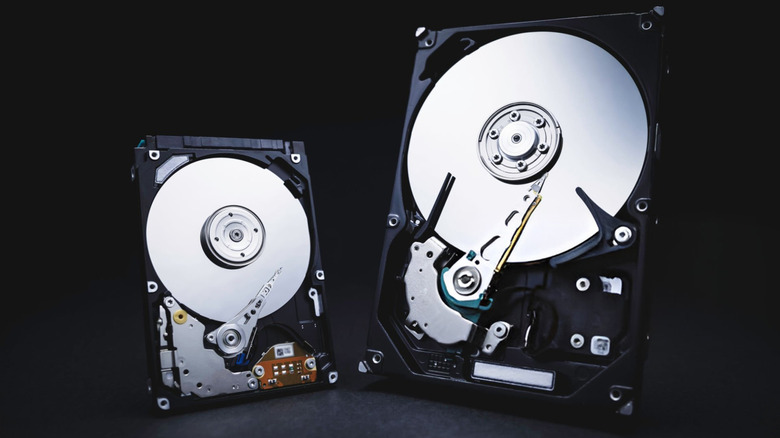
If you're looking for a cheap way to store a lot of data, you might be tempted to pick up a hard disk drive. That's understandable: You can get terabytes of storage for a couple hundred dollars, and less if you're willing to buy one used.
These old-style hard disk drives are mechanical devices that work by physically moving and magnetizing an internal component called a read/write head. This is a problem because any sealed unit with moving parts is going to break down eventually, and the older the drive, the sooner it'll happen. By trying to save money, you may inadvertently lock important files on a dying device, with the very act of trying to retrieve them speeding up the drive's degradation.
A better option would be to pick up a new Solid State Drive (SSD). These are fully electronic, with no moving parts, and an expected lifespan of 10 years (depending on how heavily you use them). There are also NVMe drives, which are similar but are smaller, faster, and quite a bit more expensive. Buying used storage guarantees you'll regret it later.
Generic smart-home devices

With the cost of living continuing to rise, who hasn't been tempted by generic alternatives to expensive products? Picking up an off-brand Roomba or Ring Doorbell could end up costing more than you expected, though. Buying from a reputable brand provides security and peace of mind. You know that its products are made with quality components, resistant to unauthorized access, and likely to be supported for at least a few years.
There's no guarantee that someone selling a cheaper version of another company's product has the same standards. They may rely on outdated or vulnerable technology that can be exploited by attackers or simply collect as much information about you as possible to sell to advertisers. If made using substandard parts (especially batteries), these clones could even pose a safety risk. That's of particular concern if the device works autonomously (robot vacuums, for instance) since you may not be home if something goes wrong. Of course, it's also possible that everything is perfectly safe and works as expected, but that's what can make buying generic electronics such a risky proposition.
Older computers, laptops, and tablets
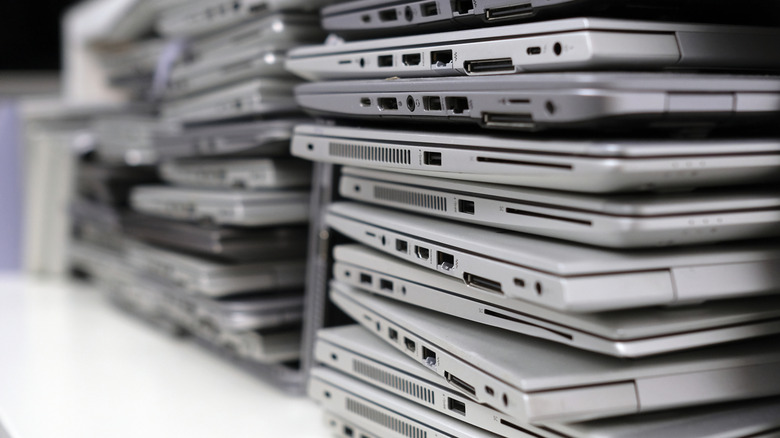
Generally speaking, most laptops, netbooks, Chromebooks, and tablets that first released more than five years ago aren't worth purchasing unless you're looking for spare parts. This is roughly the expected lifespan of these devices, and while newer hardware may cost more, you can trust that it'll be able to handle modern-day applications. Older devices, meanwhile, may struggle to handle even basic tasks. If you're extremely unlucky, you could end up with 32-bit hardware that can't even install a modern browser, let alone do anything useful.
There are a couple of caveats to this advice. First, buying specific computer components used is a great way to save money. CPU prices often drop significantly when newer models are released, for instance, and it's entirely feasible to build a high-powered PC using only pre-owned parts. Second, desktop PCs tend to fare slightly better over time since individual components can be upgraded, so even a comparatively-old tower makes a reasonable starting point for someone hoping to build a powerful PC on a budget. Just remember that power supply units should always be bought new since aging units can be temperamental, and may damage your other parts on their way out.