

5 Reasons To Skip Wireless Headphones
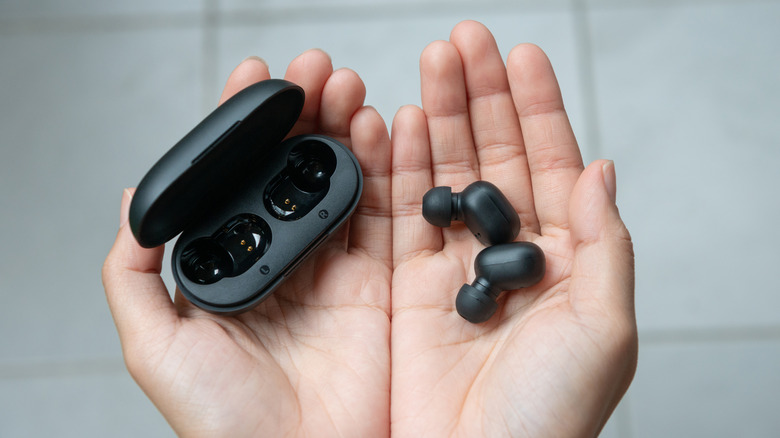
A solid pair of headphones can be an incredible accessory for those that enjoy personal audio, but determining the right device for a listener can often be a challenge. Given the vast amount of options available on the internet, some may have a hard time choosing between wired and wireless models (though naturally there are headphones that can be both). While wireless options have their merits — convenience being a big one — there's still more than one reason users may want to skip them in favor of a wired set.
Along with potential battery issues and connectivity problems that may arise from relying on Bluetooth, there's also the consideration that wired headphones can often support upgradeable hardware or be easier to repair. Like other electronics, going with a cheap pair of wireless headphones can be a detriment in the long term, and those that go the wireless route may also be missing out on higher quality audio.
Users can make plenty of mistakes when purchasing headphones, but consider the points below if you're trying to determine what may work best for you. Of course, there are always the options of finding a wireless pair for your pocket when you're on the move and keeping a pair of wired headphones around for when you really want to dive into your tunes or audio. At the end of the day, however, the only thing that really matters is how a set of headphones sound to you. Here are some items to consider if you're thinking of cutting the cord.
Batteries can degrade
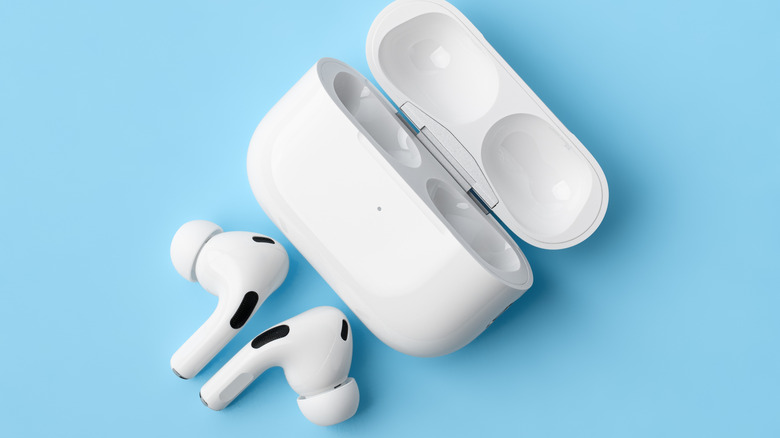
Not having to rely on a cable can be quite liberating with wireless headphones, but that doesn't necessarily guarantee a flawless experience. One of the major downsides to constantly utilizing a pair of wireless headphones is that they often rely on lithium-ion or lithium-polymer batteries. Unfortunately, both of these materials can degrade over time (though lithium-polymer will degrade more slowly). Though a wireless pair of headphones can promise a certain amount of working hours, these numbers can diminish with frequent use and charging as well.
This means that you not only have to worry about keeping the headphones adequately charged periodically, but also remain cognizant of the fact that the battery in wireless headphones will start to decay over time. Unfortunately, folks can make plenty of mistakes that can ruin their lithium-ion batteries, but there are measures users can take to ensure the longevity of their headphones. One of the most important things you can do is keep an eye on your battery levels with wireless headphones.
For starters, try to avoid keeping your headphones connected to a charging cable if not needed, and make sure you're always using the correct charging cable (the headphones likely come with one, and the manual should provide more details on what's best). It's also good to be aware that certain features such as Active Noise Cancellation (ANC) can drain the battery faster. Your wireless headphones also likely rely on Bluetooth for connections, which can also have an impact on your battery levels. Consider turning the headphones off completely if you're not using them for extended periods of time.
Bluetooth connections have their own headaches
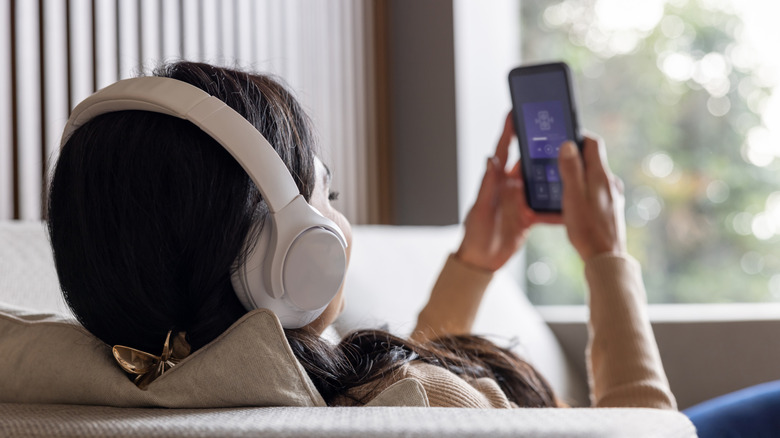
We're no strangers to fixing common Bluetooth issues. Don't get us wrong, Bluetooth certainly comes in handy, but it's not without its own set of issues. One of the major drawbacks of Bluetooth is that it relies on the 2.4 GHz radio frequency spectrum to communicate with other devices. Unfortunately, this is also the same frequency range that other popular electronics can use. This includes items like microwaves, smart home appliances, Wi-Fi, and other Bluetooth devices, which can manifest crowded signals.
If you find that you're experiencing connectivity issues with wireless headphones, it may be that you're around too many devices that are also relying on either a Bluetooth connection or the 2.4 GHz band. Bluetooth can also have problems with physical objects, such as walls or furniture. If you move too far away from your audio source, this may cause interference with your headphones. Even keeping your smartphone in your back pocket as you move and listen to audio can foster lost signals.
Keeping a clear pathway between your audio source and your headphones can mitigate this issue, but be aware that multipoint connectivity can also be problematic. Certain headphones these days allow you to connect to two different devices simultaneously. It can be super handy to switch between them, but it can also cause communication issues between devices. Lastly, if possible, make sure to check for software or firmware updates, either for your headphones or your audio sources like your smartphone. Obsolete software can be a problem, and updates can provide access to new functionality.
You can miss out on lossless audio
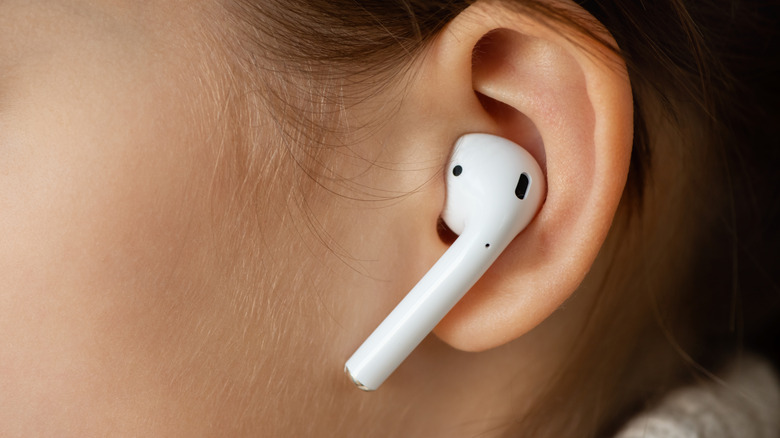
For most people, this point isn't going to be a big deal, but for those who truly have an appreciation for high-quality audio, they should be aware that it's rather unlikely wireless headphones are going to support lossless audio. Essentially, lossless audio is exactly what it sounds like — audio that still retains all of its information from its initial recording. It can often be better than traditional audio formats and codecs thanks to being a more "pure" format, but it can take additional hardware to set up fully.
In this instance, what you need to know is that it likely will take wired headphones for lossless support. For example, Apple Lossless is available with Apple Music, but it doesn't support wireless Bluetooth headsets (though plenty of devices support lossless on Apple Music). Even with the AirPods Max, you'll need to use the USB-C cable. Essentially, Bluetooth can get really close to imitating lossless audio, but it's still likely to incur data loss, which obviously works against most lossless standards.
However, some wireless earbuds do have the Bluetooth bandwidth to support lossless. If you have an audio device that supports Qualcomm aptX Lossless or Qualcomm's Snapdragon Sound technology, it's likely you're going to be in good shape. But these are also relatively new devices, so finding them may require additional research. Examples include the Beyerdynamic Aventho 300 headphones and the Denon PerL Pro earbuds (BGR has not tested nor reviewed these models). There are options, but wired headphones may not require as much research on this front.
Wired headphones can offer upgrades and repairs
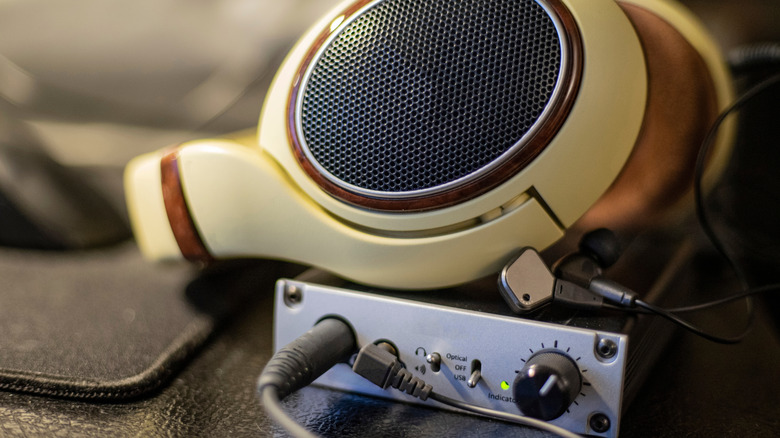
Something cool about wired headphones is that you can improve upon your initial sound quality with hardware upgrades, which can often be more difficult with wireless counterparts. With wired headphones, for example, users can look into buying a digital-to-analog converter (DAC), which helps transform digital signals to analog. BGR can help you determine if a DAC can actually improve your audio quality, but be aware most wireless headphones likely will not support one (wireless headphones often include their own internal DAC).
Another example can be an external amplifier. Typically, they're built for on-ear or in-ear headphones, and they can often be standalone devices. An amplifier can be good for boosting your audio signal while also giving you a higher volume output, but wireless headphones typically have their own built-in amplifiers. Wireless headphone amplifiers do exist, but they're often used to simply provide Bluetooth compatibility to wired headsets. By going the wireless route, you may be losing out on the ability to upgrade your audio setup later on down the road.
Additionally, wired headphones are more likely to be repairable over wireless ones. This is largely due to wired headphones needing fewer components. For example, if a driver (speaker) goes bad in your wired headphones, it will be theoretically easier to replace than with wireless headphones. However, some wireless earbuds focus on repairability or being modular, so it might pay to do some additional research if repairs or upgrades are a determining factor.
Cheap products can produce cheap results
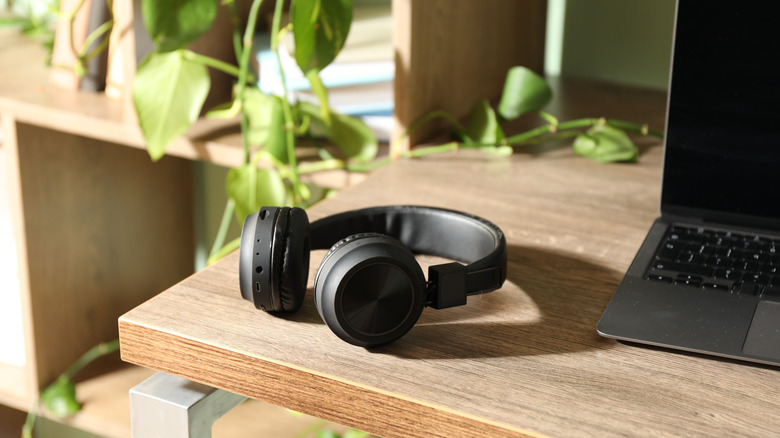
At the end of the day, the quality of your wired or wireless audio experience largely depends on the type of headphones that you purchase. Though this is a bit of a generalization, wireless headphones with the same audio features as wired headphones are likely to cost more due to the additional hardware required for wireless connections. However, this can also mean that cheaper wireless earphones may be costing you more for wireless features over a similarly-specced pair of cheap wired earphones.
It may require some additional research on your end, but going with a less expensive pair of wireless headphones just because they make easier connections may cost you a better experience down the road. Spending a little more on some quality wired headphones may ultimately save you money, as there may be less need to upgrade. However, something that's inexpensive isn't necessarily a waste of money, as we know plenty of cheap headphone brands that can be worth looking into.
When comparing two low-cost devices, wired headphones are likely to have overall better sound performance, but this still depends on the quality of the product. Users may also find that cheaper wired headphones may potentially last longer than their wireless brethren, though obviously how one takes care of them plays an important role, as well. Ultimately, getting the best value from a pair of headphones is largely going to depend on how they sound to you. If you're able to try before you buy, it can be a major help in determining what's ultimately best for you.