

iPhone 18 Pro Max Vs. Pixel 11 Pro XL: Which Phone Camera Is Better?
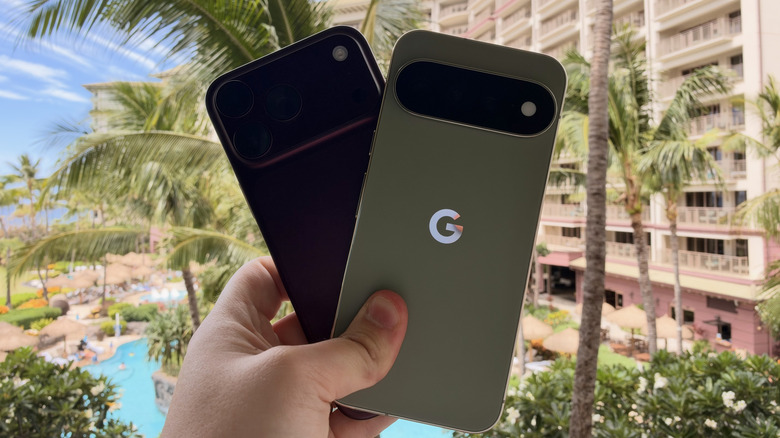
Apple and Google's 2026 flagships both start at $1,299. I've reviewed both the iPhone 18 Pro Max and the Google Pixel 11 Pro XL, and they're great smartphones. They've got large displays, the latest processors, and excellent battery life. But perhaps their strongest features are the cameras.
The iPhone 18 Pro Max has three 48MP rear cameras with a new variable aperture on the main sensor. Meanwhile, the Pixel 11 Pro XL has a 50MP main camera, a 48MP ultrawide, and a 48MP 5x telephoto. Both phones take photos most people would be happy with, though each one has its own set of weaknesses. That raises the question of which has the better camera.
After testing both, I've found that the iPhone 18 Pro Max has overall better cameras. The Pixel wins in two specific areas, so certain users may find it the better option. I've already compared the iPhone 18 Pro Max and the Pixel 11 Pro XL on price, battery, and performance separately, but here's what each phone camera does well, where each one disappoints, and which of them deserves your money.
iPhone 18 Pro Max camera: Pros and cons
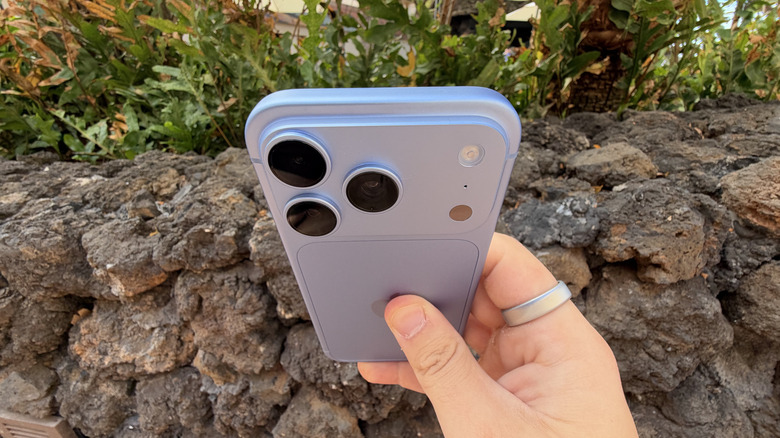
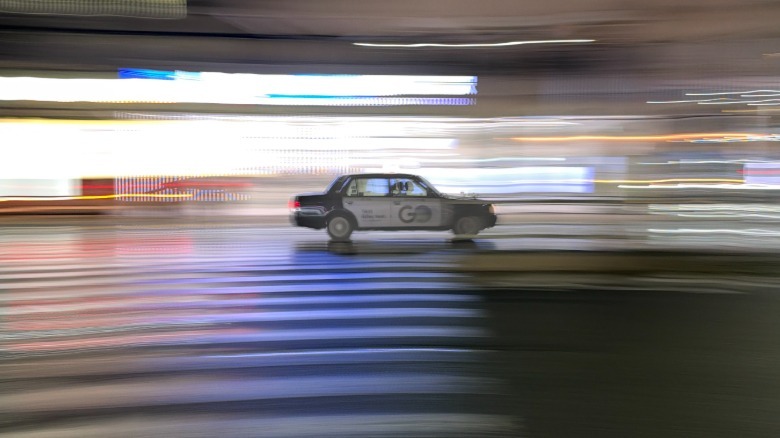
Apple's main camera is the one that got the big upgrade this year, with a variable aperture that switches between f/1.48, f/1.8, f/2.8, and f/4.0. This variable aperture lets you control the amount of light entering the camera, so you can take photos with sunburst lens flares, light trails, motion blur, and better low-light shots. The ultrawide and the 4x telephoto lenses carry over from the iPhone 17 Pro.
 Connor Jewiss/BGR
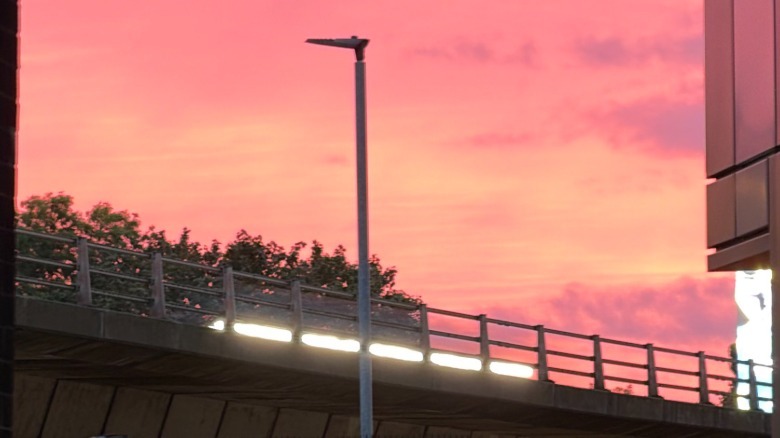
Colors come out natural, details hold up, and the image processing is my favorite of any phone. In low light the new main camera really comes into its own. The f/1.48 setting pulls in more light, which cuts noise and makes night mode exposures quicker. Plus, I captured light trails and starbursts that my 17 Pro Max simply couldn't. Glare from bright sources is handled better in both photos and video.
 Connor Jewiss/BGR
Pro controls are another feature that the iPhone 18 Pro Max handles well. You can set aperture, shutter speed, white balance, and more all in the default camera app. It's easier to use than the paid camera app I bought on a trip last year.
 Connor Jewiss/BGR
The iPhone 18 Pro Max also handles video exceedingly well, as we've come to expect from Apple now. A new feature lets you apply cinematic effects to videos after you've recorded them means I actually use cinematic mode now, as I often forgot to switch modes before hitting record.
 Connor Jewiss/BGR
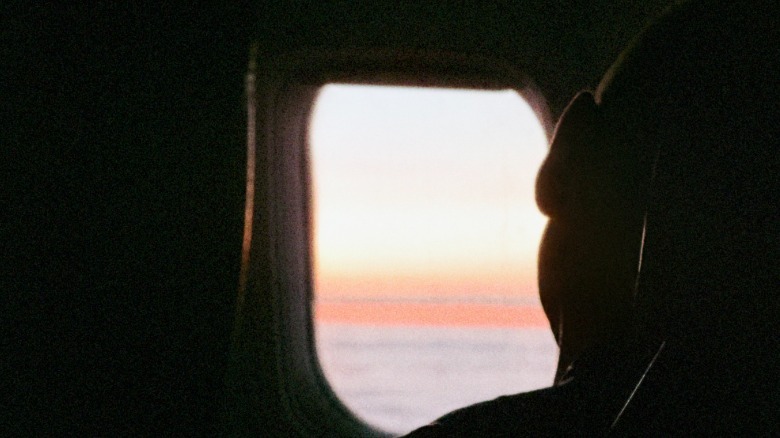
However, zoom stops being reliable past 20x, since there's no AI-powered boost to go further. Reference mode — a new feature that creates an unalterable copy of a photo to prove it hasn't been edited — only works after you've toggled on a setting and switched to a mode most owners will probably never find.
 Connor Jewiss/BGR
Pixel 11 Pro XL camera: Pros and cons
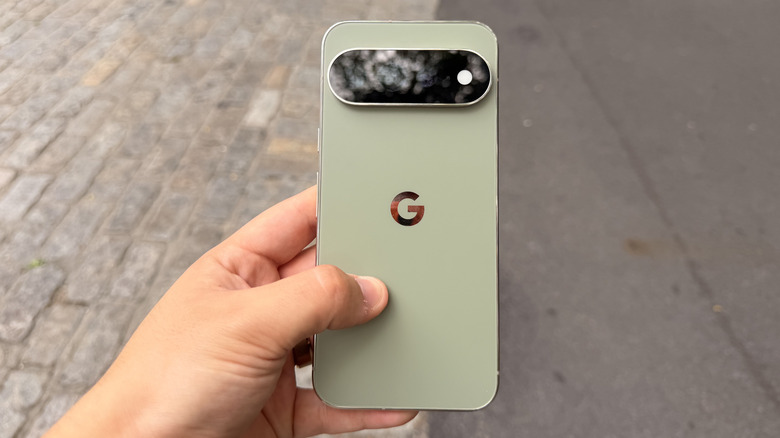
The Pixel 11 Pro XL pairs a 50MP main camera on a 1/1.3-inch sensor with a 48MP ultrawide and a 48MP 5x telephoto. Google redesigned the telephoto lens with a larger sensor and 30% more light sensitivity. The main camera might be the best I've used on an Android phone. Detail is superb, and images have a film-like quality I enjoy. But colors are slightly muted due to the Pixel's image processing, and I wish there was a dial to turn it down.
 Connor Jewiss/BGR
Zoom is the Pixel's clearest advantage. The 5x telephoto produces strong results at both 5x and 10x, including low-light zoom shots that earlier Pixels simply couldn't handle. Google's AI-powered Pro Zoom feature then stretches the zoom range up to 120x.
 Connor Jewiss/BGR
It works surprisingly well, and it let me read the text on menus and signs from across a room. However, it stops being trustworthy past about 80x, where it starts to hallucinate image details and get things wrong.
 Connor Jewiss/BGR
Night Sight is up to 4.5 times faster than the previous generation, and that speed is obvious when you use the feature. Portrait Mode at 5x is new and works quite well, helped by Google's object detection algorithms that remain among the best. That being said, Night Sight often over-brightens images slightly, and if you turn it off, images become very grainy.
 Connor Jewiss/BGR
Magic Capture is Google's flagship new AI feature, which can automatically pick still photos out of a video. But I never wanted to use it that much, as the frames it pulled were at a lower resolution than regular photos. The flash is dimmer than it should be, which I put down to the HiLight LEDs Google added around the flash. HiLight is how the Google Pixel 11 brings back an Android feature we haven't seen in years, but on the Pro XL, it seems to come at the flashlight's expense.
Which phone has the better camera?
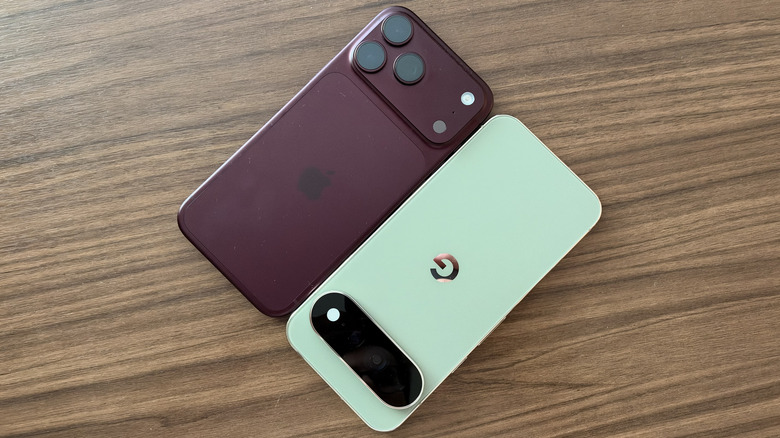
The iPhone 18 Pro Max has the better camera overall. It produces photos I actually want to keep, takes the better portrait, and the variable aperture is a surprisingly useful tool, especially at night. It's also the obvious choice for video, which has been true of iPhones for years. Pro controls and after-the-fact cinematic effects widen that lead for anyone who shoots video regularly. Both selfie cameras are fine, though the iPhone wins on how its shots look and on the fact that it can take landscape selfies without you turning the phone sideways.
But the Pixel 11 Pro XL has two clear advantages. Its zoom reaches much further than the iPhone's, so if you regularly shoot subjects at a distance, Google gives you range Apple doesn't offer. Night Sight is also faster than Apple's night mode, with more consistent results in scenes that are lit by several light sources, such as a street with mixed streetlights.
Reliability is another factor worth paying attention to. The iPhone's camera behaves the same way every time I open it, whereas the Pixel shipped with a camera app bug that sometimes left the viewfinder out of focus, a zoom mode that can invent detail, and a headline feature that I stopped using. Both phones cost $1,299, so cost isn't really a factor. Pick the phone whose camera strengths matter more to you and whose photos you prefer. Images are a matter of preference, so the only way to really know is by looking at photos for yourself.