

Why Are Screen-Free Wearables So Popular?
We may receive a commission on purchases made from links.
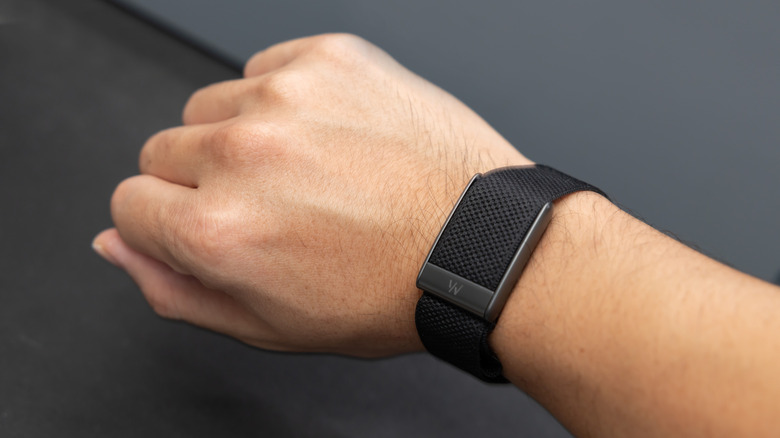
Screenless wearables are popular again. Oura, the company behind the fitness-tracking ring, experienced a 74% year-over-year revenue jump in 2026. And now, screen-free wearables have become even more mainstream following Google's release of the Fitbit Air. Of course, the lack of an on-device screen means there's only so much you can do with these wearables on a moment-to-moment basis. But despite some critics saying the disadvantages of a screenless fitness tracker can outweigh its perks, they have still cultivated a big following of people looking for cheaper options, or fewer distracting pixels in their lives.
The bit about pixels is no joke, phone fatigue is a trend showing up in surveys and sales data. If you wear a smartwatch or fitness band with a screen, you're likely to notice a constant stream of pop-ups telling you to check your phone. Whether it's a message, or a reminder to stand up, or some other push notification, all of it shows up on your wrist and directs you to give more attention to your screens. Science has told us how much of our time and energy we waste on notifications, and some people are using screen-free wearables to escape from that disruptive slump.
Research repeatedly has told us that smartphones can change our bodies in negative ways, particularly if we fall down the notification rabbit hole. Fitness accessories are meant to help your body, not exacerbate bad habits by making you even more reliant on your phone. But it's not just about the troublesome link between watch screens and phone screens; there are some even clearer-cut reasons why health-conscious buyers are choosing screenless wearables.
Screenless wearables are better for sleep tracking
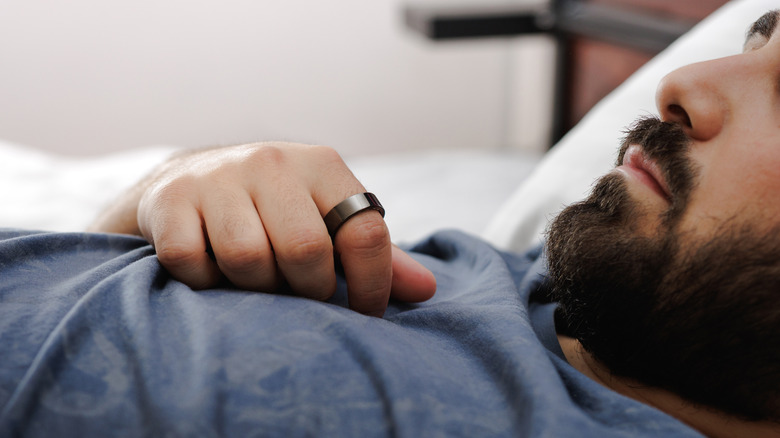
Screen-free devices are arguably the best wearables for sleep tracking because there's no risk of a bright light that may disturb you in the middle of the night. That bit of extra heft from a bulky screen can also cause some discomfort, especially if you have a tendency to sleep in unusual positions.
A study funded by Oura found that its rings tend to be more accurate for sleep tracking compared to other wearables, too. This is because your body's PPG signal is stronger in the finger than in the wrist. Oura says.
Ultimately, an accurate sleep tracker can help you learn about your own unconscious breathing, heart rate, actual sleep time, and more. This information can help you decide how to change your habits or alter your sleep environment for the better. In some cases, it can raise your awareness of serious health issues that you might never have discovered otherwise. Despite these potential benefits, some people are put off by the idea of wearing a full-blown smartwatch to bed, which explains why those individuals might choose a screenless option instead.
Going screen-free can be a better investment
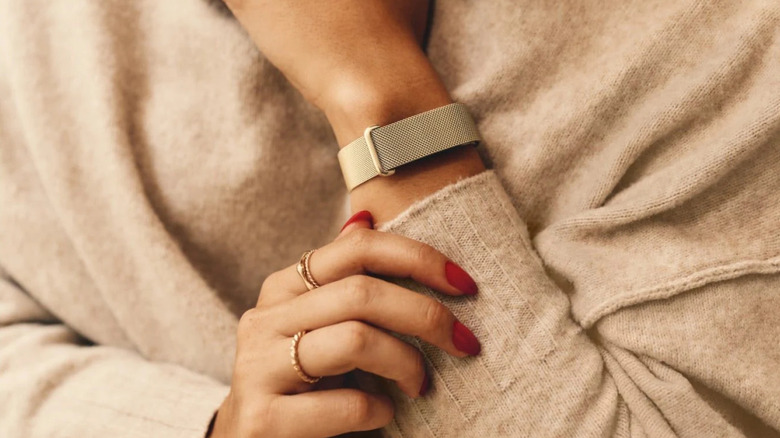
Smartwatches have relatively short battery life too, typically lasting at most for a couple of days. Screenless wearables have the potential to go much longer. For example, the Fitbit Air and Fitbit Edge are both capable of lasting for up to seven days on a single charge, but using the always-on display on the Edge will bring that down to as little as two days. Wearables with screens typically need to be charged more often, which also means that the battery will wear out quicker. Going screen-free is quickly becoming popular for people who want a convenient and fashionable wearable that they can rely on for years.
Finally, if you want the most bang for your buck, you can save a lot by sacrificing relatively little with a screen-free wearable. Even comparing the Fitbit Air to the Fitbit Edge — both of which are considered affordable against the competition — the difference is clear. The Fitbit Air comes in at $80 cheaper than its screen-clad counterpart.