

5 Hidden Costs Of Owning A Tesla You Should Be Aware Of
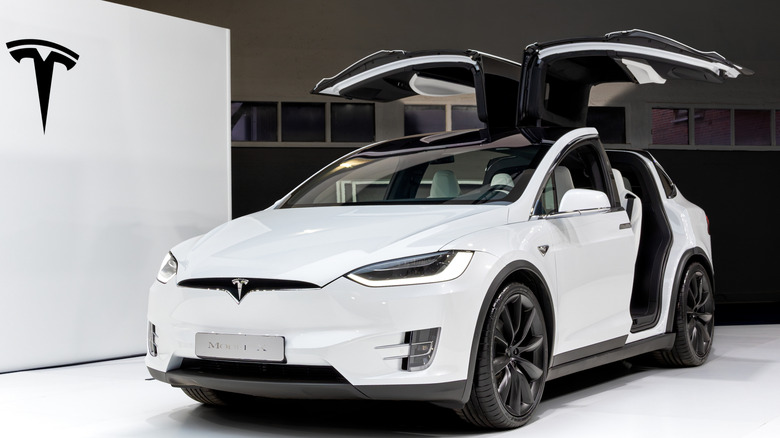
For those tired of paying high prices for gas, an EV can seem like a quick solution. That, or maybe you just like the look and features of something like the Tesla Model 3. Whatever your reasoning may be for having an interest in Tesla vehicles, users should still be aware that switching to and owning a Tesla is a bit more involved than paying a dealership and driving home. Along with the pros and cons of buying a used one, there are some hidden costs you should know about.
For starters, registering a Tesla with your state can bring about additional registration fees, and insurance companies will certainly take an interest in your new purchase. Like seemingly everything in tech these days, Teslas come with their own subscription options, though users will also need to worry about the price of Supercharging. Meanwhile, if things truly go south for a Tesla owner, replacing the battery can ultimately be an extreme headache.
This isn't to say that owning a Tesla is a bad thing (even if Tesla Y owners find themselves addressing common problems); rather, the aim is to show potential owners that the bottom line may not be as obvious as they once thought. Naturally, any vehicle is likely to come with its own set of costs, but some of the items on this list may not be as obvious, or they can be far larger than some had anticipated.
EVs have higher registration fees
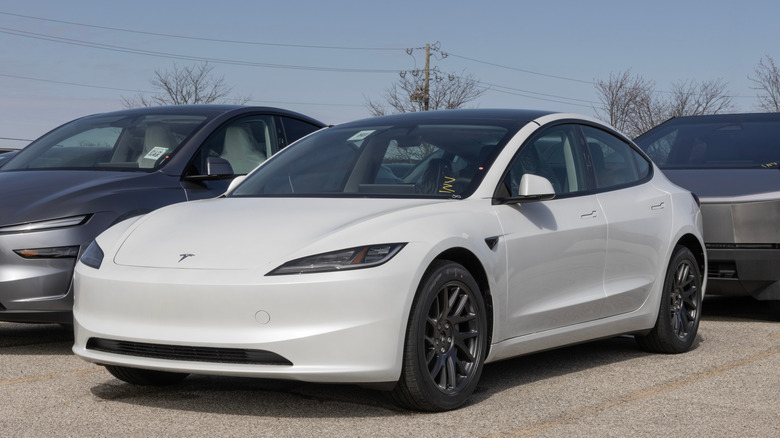
When it comes to accessing public roads in a state, more often than not, a tax on gasoline is typically used to help fund routine maintenance. As EVs grow in popularity, the less a state receives from gas taxes they may have implemented because drivers are no longer relying on gasoline. For those with an electric vehicle, this may seem advantageous, yet plenty of states make up for this loss in funds by charging higher registration fees for electric vehicles. According to the National Conference of State Legislators (NCSL), at least 42 U.S. states have special fees for electric vehicles.
These taxes can ultimately vary from state to state. In Ohio, a hybrid vehicle owner pays an extra $100, plug-in hybrids pay $150, and full electric vehicles pay an additional $200 in registration fees — and that's annually. In New Jersey, this fee can go as high as $270. To make things more complicated, states can also raise the rates essentially at will, such as Michigan raising its fees by $100 in 2026. A proposed bill may also have electric vehicle owners paying more in federal taxes, as well.
Of course, some states do offer rebate incentives, which may help mitigate these potentially surprising costs. However, only 15 states offer such rebates, so the odds are pretty good that you're paying money without getting any back. These fees may seem small, but they may also cut into what you were planning on saving by not having to rely on gasoline.
Insurance can be more expensive
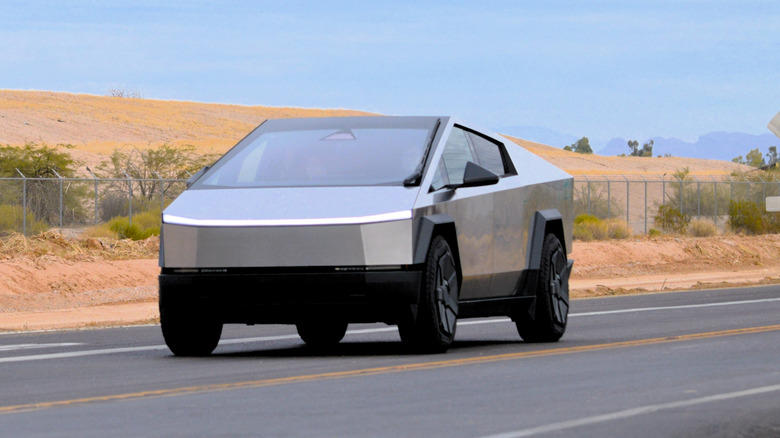
Driving around in a Tesla may feel like you're driving into the future, but with higher-end tech comes potentially higher risks for insurance agents. Of course, a variety of factors can impact a driver's insurance rates, including your age, driving record, and how often you drive, but a vehicle being electric can also raise your premiums. For EVs in general, this is typically due to the specialized parts these vehicles require (along with specialized technicians), and Teslas are certainly no exception.
Looking at figures and research published by NerdWallet in April 2026, the company found that the Model 3 can be the cheapest Tesla to insure, but it can still have an annual premium of around $2,459 and monthly rates of $205. For all Tesla models, the average insurance comes to about $2,980, which is much higher than the average for other popular vehicles. For what it's worth, the Wall Street Journal puts the average cost for full-coverage in 2026 at $2,335.
Tesla does offer its own insurance in 15 different states, including Utah, Texas, Oregon, Ohio, Florida, and California. Users can purchase the insurance through a Tesla Account, and it's also based on a variety of factors, including drive time, vehicle type, and location. However, users should be aware that Tesla insurance can also be based on a Safety Score that monitors your drive. There's also no guarantee it will be cheaper, but it is another option for those wondering why insurance plans for EVs are so expensive.
Battery replacement can be a nightmare
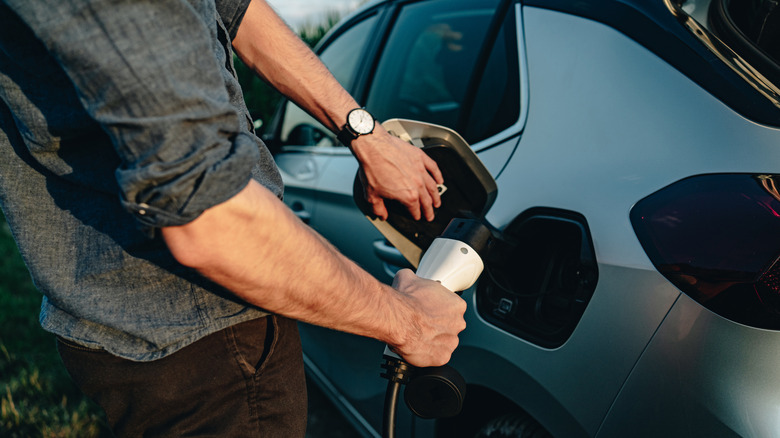
Insurance is meant to protect you from certain accidents, but it may not always be there for the true catastrophes. If you need to replace the battery in a Tesla vehicle, the costs are likely to outweigh the benefits of buying one in the first place. Before you start fretting over this costly procedure, it's worth mentioning that Tesla claims its batteries can last between 300,000 and 500,000 miles, depending on who you ask. This may sound great on paper, but looking at Tesla Limited Warranty puts things into a different perspective.
For the Model S, Model X, and Cybertruck, Tesla provides a Battery and Drive Limited Warranty of eight years or 150,000 miles. Other models vary, but they're all a far cry from the projected numbers. Without factoring accidents or other tragedies into the equation, drivers face the possibility of replacing a battery sooner than they think. Vehicle model, battery size, and choosing between used and new can all impact prices, but users can still expect to drop anywhere between $5,600 and $22,000 on a new one if not under warranty.
Fortunately, Teslas are a pretty good EV brand when it comes to battery health, but those thinking an EV will be a constant money-saver should think about worst-case scenarios. Users can always check their owner's manual for information on taking care of their battery. Ultimately, replacing this component may not be something you'll have to worry about, but it can certainly be costly if you do.
There's add-ons and subscriptions
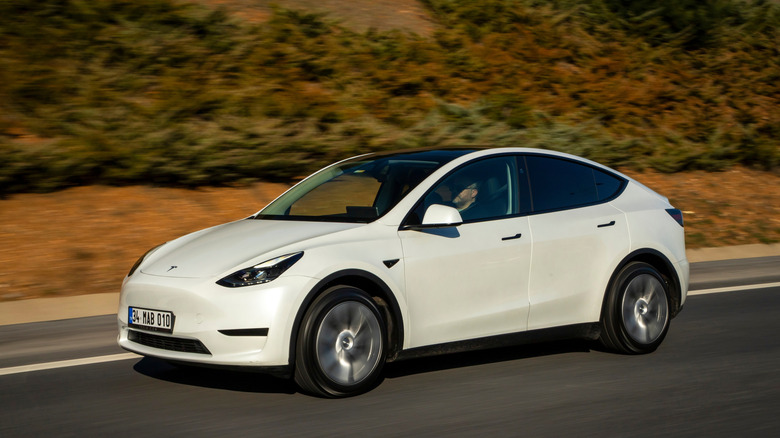
Those eyeballing a Tesla may be doing so for all of the nifty features they can provide, such as full self-driving and entertainment options, but the unfortunate part of a Tesla is that many of these features can have additional costs or subscription fees. Tesla isn't the only car brand guilty of locking major features behind premium subscriptions, though many of these may still be surprising costs for those uninitiated.
One subscription that may be overlooked but expected is a Tesla Extended Service Agreement, which is essentially extending the warranty on eligible vehicles. Depending on your vehicle, this subscription can range anywhere between $50 and $150 a month, but it can help cover certain costs and repairs. However, one surprising cost may be for Tesla's Full Self-Driving (Supervised) subscription, which goes for $99 a month.
With one of its more impressive features locked behind a paywall, there are also smaller subscriptions that may nickel and dime you, including $9.99 a month for Connectivity, which includes access to things like viewing the live cabin camera, accessing speed traps in the on-board maps, and more. Some of the subscriptions may seem like small potatoes, but they can be especially annoying if you plan on saving money by moving to an electric vehicle. If you're planning on going Tesla, make sure to look at the little details so you know what your monthly costs may be.
The cost of Superchargers is rising
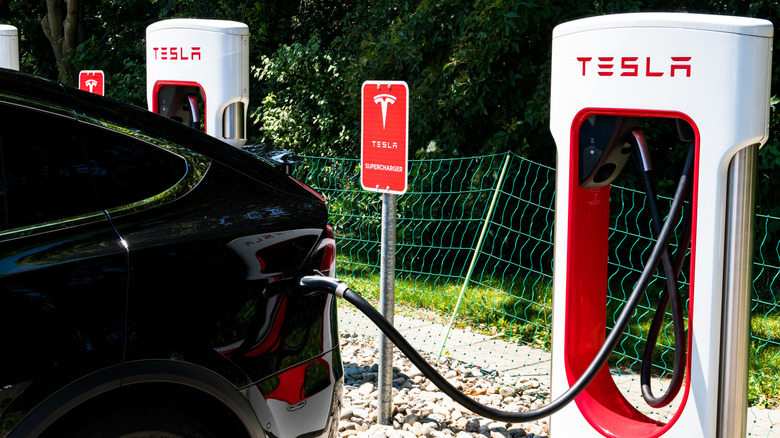
With a growing network of over 80,000 devices, one of the perks of having a Tesla is getting to take advantage of one of the largest Supercharger networks in the world. In as little as 15 minutes, a Tesla Supercharger can add 200 miles of range to a vehicle, making them pretty useful even for non-Tesla EV owners. However, these Superchargers can cost a monthly fee if you don't own a Tesla, and even then, the cost of these Superchargers is still rising.
Naturally, those without a Tesla Supercharging Membership are paying more, with a third-quarter 2026 report from Paren stating that non-members are paying 15% more than they were in 2025. For members, the cost has jumped by about 9%. If you frequently charge your device at home, you're likely not going to notice the increase much, but this also means some should consider how much it costs to charge a Tesla at home.
To make things more complicated, Superchargers can also include their own hidden costs. Tesla Superchargers can have congestion fees, and it's meant to encourage drivers "to charge as much as is needed for their trip." Essentially, drivers will be charged this fee if they're charging at a "busy" site, a charging session has ended, or if a battery is "already at or above the congestion fee level of 80% battery charge." These fees vary by region and location, but those in the U.S. can expect to pay about $0.50 more per minute for congestion charging.
How we determined these hidden Tesla costs
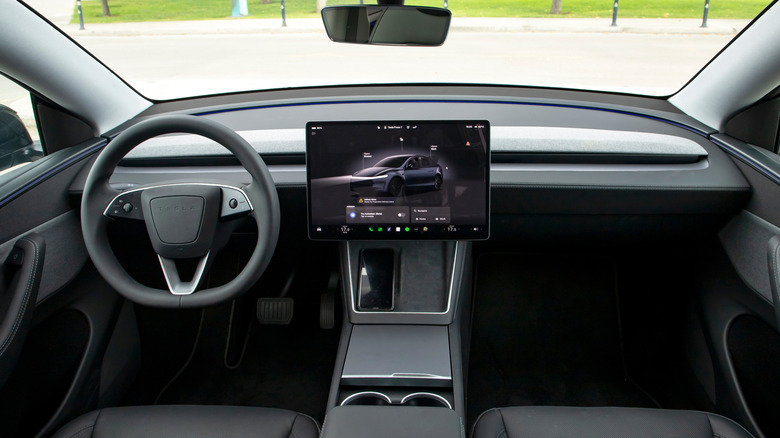
Electric vehicles can incur costs that are different from those with typical gas-powered engines, so one of our biggest factors when building this list was doing our best to ensure that these hidden costs are as specific to Tesla vehicles as possible. Along with some of these costs being far more impactful than what users may typically expect with a vehicle (such as a full battery replacement), we also tried to look for costs that may be less obvious to novice EV owners. When looking at specific financial figures, we also did our best to go with the most current numbers possible at the time of this writing.