

5 Smartphones Most Likely To Last 5 Years
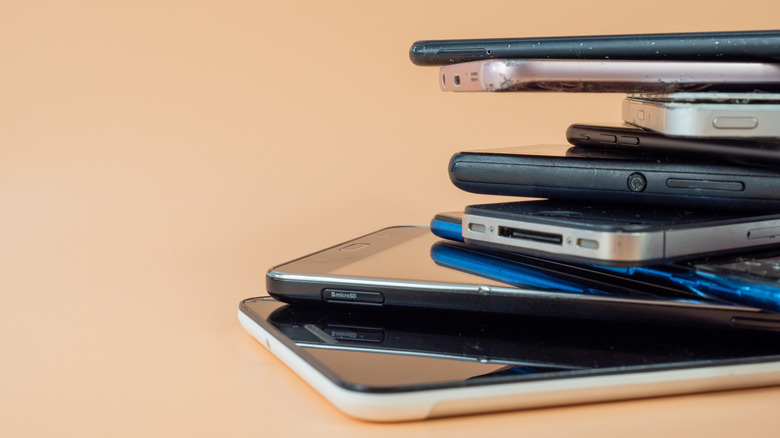
There's a reason the iPhone 13 Pro Max went viral in September 2025, as several iPhone 17 promotions were targeting Apple's best 2021 iPhones. Smartphone users routinely keep their devices for several years, rather than upgrading after one or two years of use. That's why vendors and carriers may target four-year-old devices (like the iPhone 13 Pro Max), trying to convince them to upgrade to a brand-new model. But smartphones can last even longer than that, thanks to a combination of factors, including build quality and durability, powerful processors, and extended support for software updates. Devices from several vendors could last for five years or more, which should be terrific news for buyers looking to purchase a brand-new handset that will last a long time before requiring an upgrade.
The more premium the device, the higher the chances that it'll last several years. But buyers looking for budget-friendly devices should know affordable alternatives that can still last five years exist. On the other hand, budget buyers who do not plan on purchasing a new handset in two or three years can also consider investing more money up front for a slightly more expensive device to ensure it's future-proofed. That may mean buying a flagship instead of a cheap handset, purchasing more storage, or investing in premium warranty plans to shield them from unexpected repair costs.
Accidental drops can lead to damage that may require the replacement of screens or rear panels. Also, the battery health may degrade over time, especially if one plans on using the phone for five years. The battery may need a replacement during that time.
Pixel 10 Pro XL
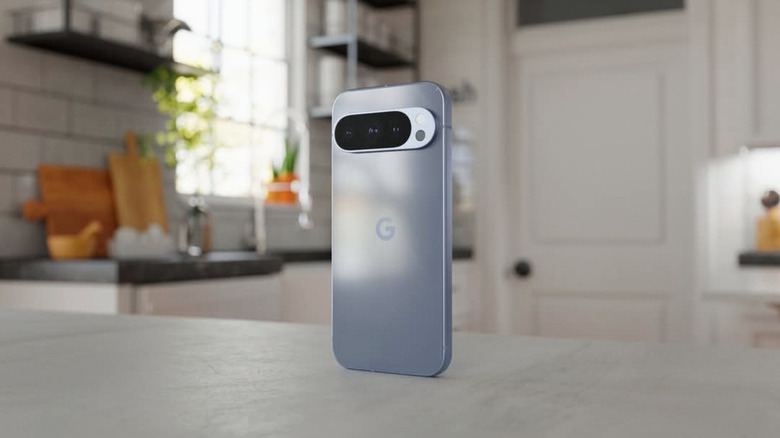
Launched in summer 2025, the Pixel 10 Pro XL is one of the best Pixel handsets for buyers planning to keep their phone for at least five years. Google will offer buyers a concurrent seven years of Android updates and seven years of security updates. The phone features the Tensor G5 chip paired with 16 GB of RAM and 256 GB to 1 TB of storage. A 5,200 mAh battery powers the handset, supporting 45 W fast-charging and 25 W Pixelsnap magnetic wireless charging. Other notable specs include a 6.8-inch OLED display with 2,992 by 1,344 resolution and 120 Hz refresh rate.
The Pixel 10 Pro XL has a metal frame made of space-grade aluminum. Corning Gorilla Glass Victus 2 protects the display. The phone has an IP68 rating for dust and water resistance. Buyers may want to consider using screen protectors and phone cases with the handset, as accidental damage isn't covered under the limited 12-month warranty. However, Google offers a Pixel Care+ extended warranty available for up to 60 months on a month-to-month plan at $13/month. Pixel Care+ offers free battery replacements when battery health drops under 80% and free screen and rear glass panel replacements. Other accidental damage will cost $99 per repair. The Pixel 10 Pro XL battery should retain at least 80% capacity for 1,000 charge cycles. Recharging the handset once per day would mean a battery replacement may be needed after three years.
The $1,199 starting price isn't a drawback if you plan to keep the handset. The one potential problem is the Tensor G5's performance as the handset ages. Currently, the phone scores 2,239 (single-core) and 5,703 (multi-core) in Geekbench 6 tests, significantly lower than other flagships on the list.
iPhone 17 Pro Max
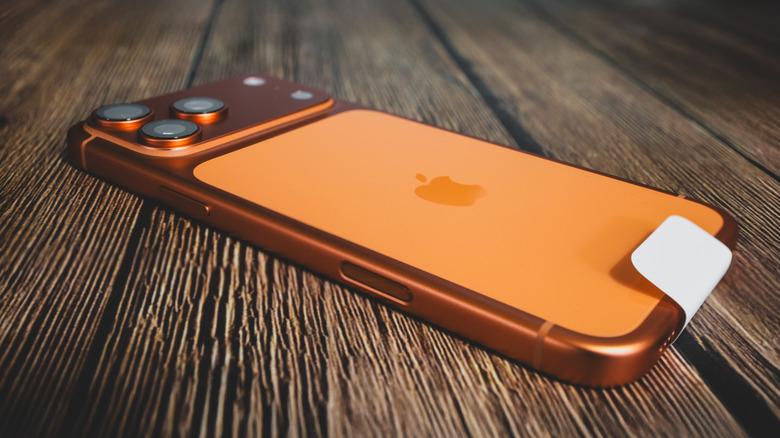
The iPhone 17 Pro Max scores 3,743 and 9,790 in Geekbench 6 tests, which makes it an even better choice than the Pixel 10 Pro XL for keeping the handset at least five years. The iPhone 17 Pro Max also starts at $1,199 for the 256 GB option. The phone's main specs include the powerful A19 Pro chip paired with 12 GB of RAM and 256 GB of storage. The handset features the largest battery in Apple's iPhone 17 lineup, a 5,088 mAh power cell. The iPhone 17 Pro Max battery should stay above 80% battery health for 1,000 charging cycles. A battery replacement may be needed during the five years of use, depending on how often you recharge the device.
The handset features a durable design, with iPhone 17 Pro Max drop tests showing the handset can survive accidental drops, but damage can still happen. The unibody chassis, which extends to the back to protect the camera module, is made of aluminum, which may be scratched when dropped. The Ceramic Shield 2 glass covering the 6.9-inch display offers three times better scratch resistance. On the back, the Ceramic Shield glass cover is four times more resistant to cracks. The handset also features IP68 dust and water resistance.
Apple offers buyers one year of limited warranty, but an AppleCare+ subscription may be the better option for getting extended protection. Under the premium plan, buyers will be able to replace the battery for free, while screen damage will cost an extra $29. Other accidental damage will cost $99 while the warranty is active. AppleCare+ costs $13.99/month with Theft and Loss coverage. An AppleCare One subscription, priced at $19.99/month, covers up to three Apple products.
Galaxy S26 Ultra
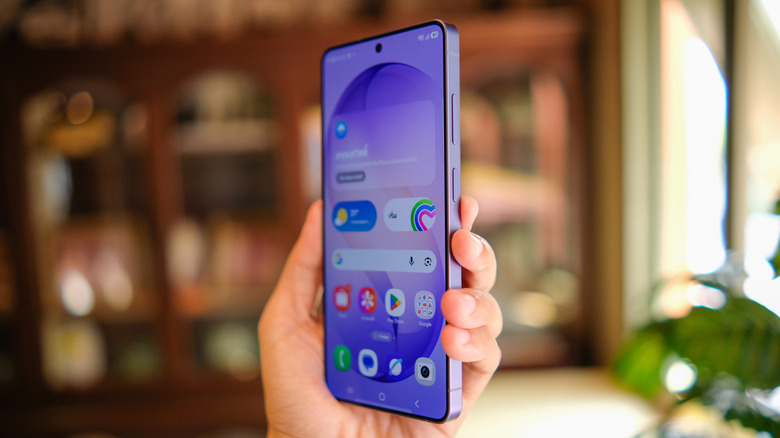
Samsung also offers a Samsung Care+ extended warranty subscription that may be useful for Galaxy S26 Ultra buyers looking to use the handset for at least five years. The $15/month Samsung Care+ with Theft and Loss plan offers free screen and back glass repairs, and free battery replacements once they degrade under 80% health. Speaking of battery health, the Galaxy S26 Ultra can go through 1,200 recharge cycles before the health drops under 80%. Launched in late February 2026, the Galaxy S26 Ultra features a 5,000 mAh battery, with Samsung saying it can offer up to 31 hours of video playback time. Recharging the handset every day means battery health would be expected to drop under 80% within four years.
The Galaxy S26 Ultra will offer seven years of software updates and seven years of security updates. The phone runs on a powerful chip, the Snapdragon 8 Elite Gen 5 that offers performance similar to the iPhone 17 Pro Max (3,619 and 11,010 in Geekbench 6). Other key specs include 12 GB of RAM, 256 GB to 1 TB of storage, a 6.9-inch OLED display with 3,120 by 1,440 resolution and 120 Hz refresh rate, and a built-in stylus.
The Galaxy S26 Ultra features an aluminum frame (Armor Aluminum), Corning Gorilla Glass Armor 2 for the screen and Corning Gorilla Glass Victus 2 protecting the rear panel. Samsung says on its website that the phone has been "engineered for water resistance." Like other handsets on this list, the Galaxy S26 Ultra has an IP68 rating. The Galaxy S26 Ultra is the most expensive handset on the list, starting at $1,299 before any deals and discounts.
iPhone 17e
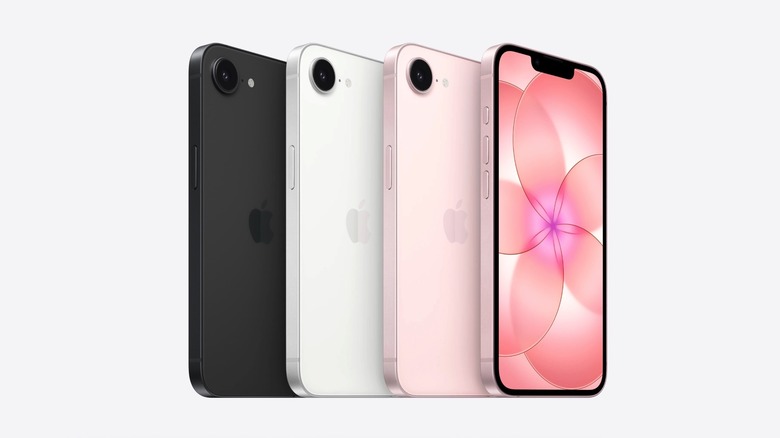
Apple unveiled the mid-range iPhone 17e in early March 2026. The company made a few sacrifices compared to the standard iPhone 17 model to get the price down to $599, but they don't involve performance, durability, or software support. Apple doesn't offer software guarantees like Samsung and Google. But the company routinely offers five or six years of iOS updates to older iPhone models. That's why the 2019 iPhone 11 is the oldest phone to run iOS 26. The iPhone 17e runs on a version of the A19 chip that powers the standard iPhone 17. That means the iPhone 17e is almost as powerful as the iPhone 17 Pro Max (3,565 and 8,770 in Geekbench 6). Both models will likely get the same number of iOS releases, which means they'll both survive five years of usage.
Like the iPhone 17 Pro Max, the iPhone 17e features a Ceramic Shield 2 front glass cover, which should give it similar scratch resistance. The handset also features an aluminum frame like other iPhone 17 models. Other notable specs include 8 GB of RAM and 256 GB of storage. The phone has a smaller 6.1-inch display with 2,532 by 1,170 resolution, which doesn't support a 120 Hz refresh rate (ProMotion) like the iPhone 17 Pro Max. It also has a smaller 4,005 mAh battery than the iPhone 17 Pro Max, but it will offer 1,000 charge cycles before it can't retain 80% of the original capacity. That means the phone should offer at least three years of use on its original battery, with a replacement required along the way to five years of use.
The iPhone 17e can be purchased with AppleCare+, priced at $9.99/month. This ensures similar coverage and repair costs to those of the iPhone 17 Pro Max.
Fairphone 6
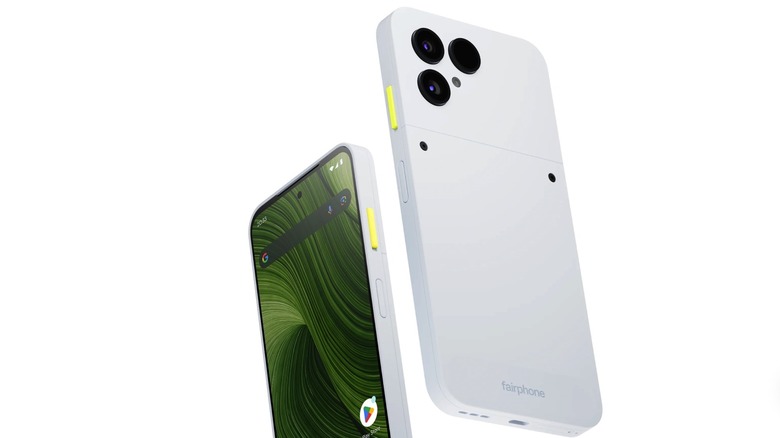
This brings us to the Fairphone (Gen. 6), or the Fairphone 6, the only handset on the list that offers easy-to-perform repairs thanks to a modular design that allows some customization. Fairphone calls the handset "beyond future-proof" on its website, saying the device comes with a 5-year warranty and software support until 2033. That's eight years of Android and security updates, above what Google and Samsung offer. The phone should also offer good durability, thanks to the Corning Gorilla Glass 7i screen cover and a composite body. The phone comes with a dust and water resistance rating (IP55) and drop test ratings (IEC 60068-2-31 and MIL-STD-810H).
Notable specs include a 6.31-inch OLED display with 2,484 by 1,116 resolution, 10 to 120 Hz refresh rate, 50-megapixel Sony main camera on the back, 32-megapixel selfie camera, 8 GB of RAM, 256 GB of storage extendable via microSD cards (up to 2 TB), and a 4,415 mAh removable battery that's user-replaceable. The phone supports 30 W charging speeds over USB-C, but not wireless charging. That said, the biggest potential downside for using the Fairphone 6 for five years is the processor.
Fairphone uses the mid-range 2024 Snapdragon 7s Gen 3 processor, which will not age as gracefully as the A19, A19 Pro, or Snapdragon 8 Elite Gen 5. Case in point, the Fairphone 6 offers worse performance in Geekbench 6 tests, scoring 1,149 and 3,313. That's something to consider when spending $899 on a version of the Fairphone 6 in the U.S. (which runs /e/OS, an operating system without Google services). The international version costs €549 ($635). That said, you won't have to worry about purchasing a premium warranty for the device. You will have to pay for components to replace faulty parts over a period of five years.
How we chose these smartphones
Many handsets available in stores as of this writing offer high-end hardware and build quality. But the main factor one should consider when choosing a smartphone for the long haul is software support. That was the first thing we considered for our list. You need the latest iOS or Android version to use the newest software features for that platform. Security updates that protect users against hackers are equally important. Apple, Google, and Samsung are three vendors that will offer at least six years of such updates.
Build quality and durability are also important. We looked at new devices that offer high-end designs that can withstand impacts and drops. These devices are also dust and water resistant (IP68 ratings), so they'll survive accidental water splashes and immersion. Finally, we considered customer support, especially extended warranty options that will make it easier for buyers to perform repairs, if needed, during the five years of use.
Most of the handsets on the list are high-end, expensive devices because we also considered the internal hardware. Chips like the A19 Pro and the Snapdragon 8 Elite Gen 5 are likely to withstand the passage of time better than cheaper alternatives. But the iPhone 17e is an example that shows you don't need to pay $1,000 for a device meant to survive five years. As for the Fairphone 6, the modular design seems best suited to help it last. The only real issue with the handset is the mid-range processor that might offer a slower performance within five years.