

8 Clever Uses For Thermal Cameras Around The House
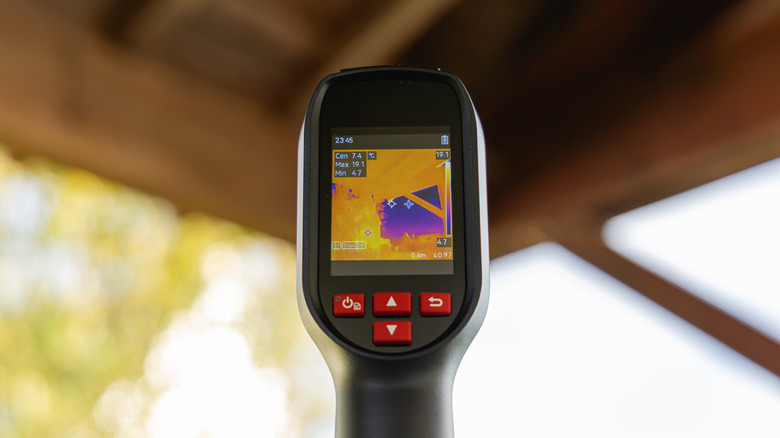
A thermal camera is a device that detects heat and then shows that information in the form of a colorful image. This is known as a thermogram, in which hotter objects are displayed in brighter colors while colder objects are shown in darker colors. You've possibly seen thermal cameras in action at the airport, detecting passengers with a fever, or in films depicting military action, but there are also uses for these devices at home.
While there are professional-level thermal cameras, there are also versions designed for home use. In fact, you can turn your phone into a thermal camera with gadgets you can plug into your phone's USB port. These attachments feature built-in cameras for thermal imaging, with companion apps on your phone to view, save, and upload the thermograms.
We review eight clever uses for thermal cameras around the house. Not all of them will apply to everyone, but when they do, these applications will help reduce energy costs, maintain your home's efficiency, and prevent unwanted incidents.
Identifying water leaks
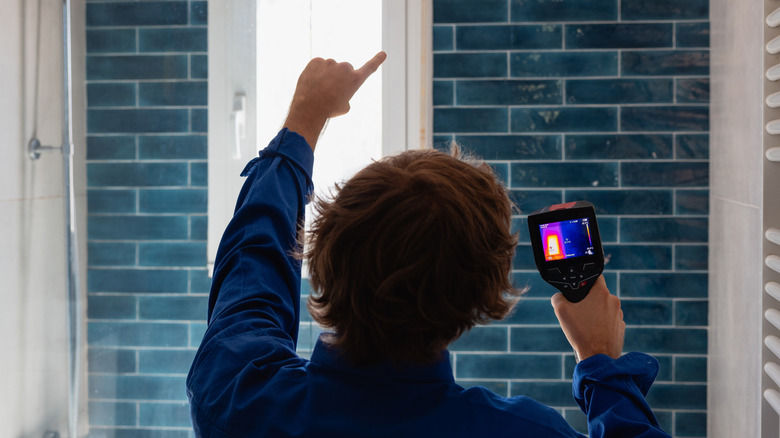
Water leaks are among the most troublesome issues that you can experience at home because, in some cases, you don't know about the problem until it's already too late. If left undetected and unsolved, they can result in more expensive water utility bills, mold and mildew in the affected areas, or structural damage that may cost thousands of dollars to repair. Water leaks often occur in the kitchen and bathroom, but they can happen in any area of the house.
Thermal cameras can detect water leaks by identifying subtle temperature changes in walls and ceilings. These differences may signal the presence of water, with potential causes including damaged plumbing lines, faulty window seals, blocked gutters, and rising groundwater levels. A thermogram showing temperature changes isn't confirmation of a water leak, but if you suspect it may be, consult a professional to take a closer look and perform any necessary repairs before things worsen.
Searching for pests
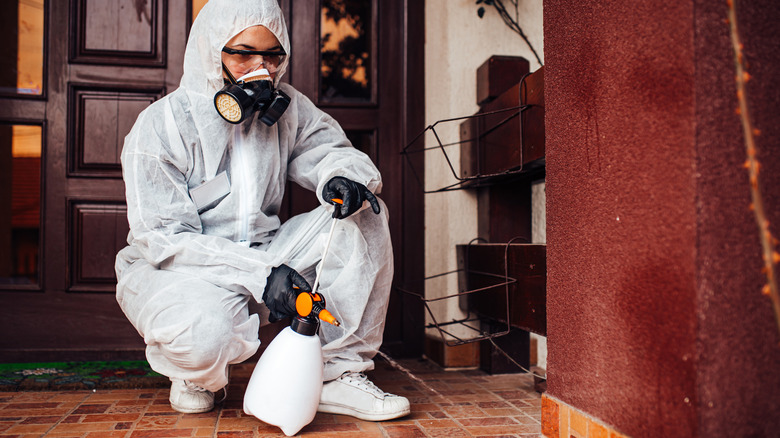
Pest infestations are similar to water leaks in the sense that you don't notice them right away, and once you see signs, it's probably time to call for professional help. There are several methods to dealing with pest problems, such as removing food sources, fixing water leaks, and closing off entry points, but if an infestation has already taken hold of your home, a thermal camera might help you locate hiding places.
While thermal cameras aren't going to function like X-rays that will reveal exactly where the pests are located inside your walls, they can detect abnormal heat signatures around your home. For example, thermal imaging can identify rows of high moisture content, which could be termite tunnels, or areas with high temperature, which could be a nest of wasps or rats. As with water leaks, if a thermal camera finds anything unusual while you're hunting for pests, it would be best to ask a professional to confirm and handle the matter.
Finding electrical hazards
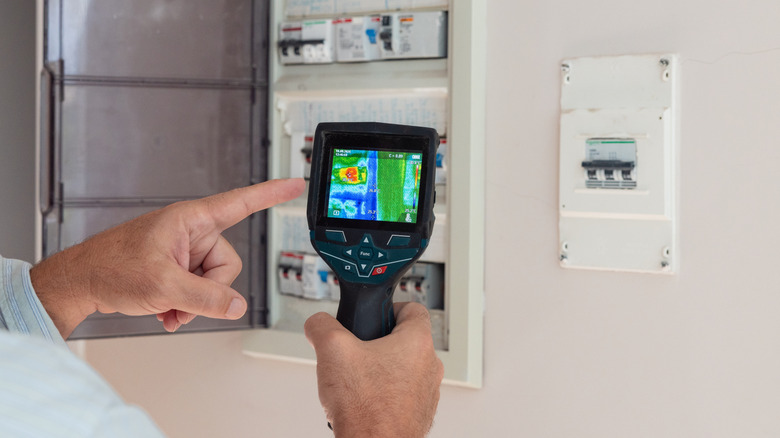
Electrical hazards can occur in your home and may lead to equipment failure or even an electrical fire. There are devices you shouldn't plug into extension cords, as this may cause overloaded circuits, and some wiring can go faulty over time. Loose or damaged connections, poor insulation, and the presence of debris could also cause such hazards, but to the naked eye, it may look like there's nothing wrong.
One of the most telling signs of an electrical hazard is elevated temperature. Even though everything might look fine visually, a thermal camera might reveal that the circuit or wiring is running hot. Using this device is much safer than gadgets that require physical contact, and you'll be able to compare the temperature of the electrical system in question to those of others that are operating normally. If your thermal camera finds a potential hazard, pull the plug and contact an electrician immediately.
Looking for heat loss
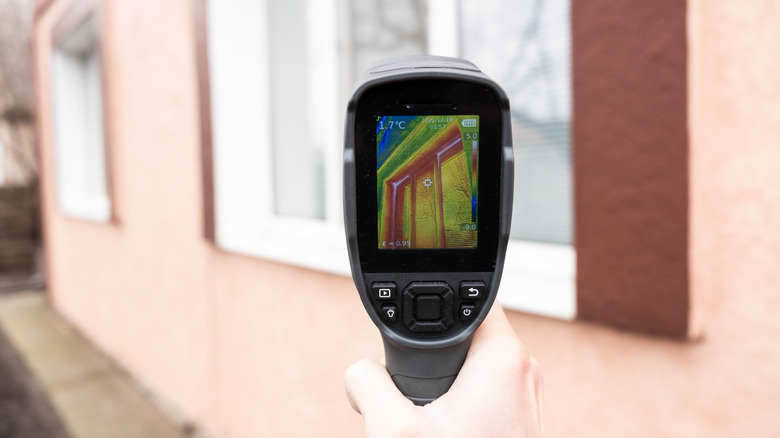
When there are issues with your home's insulation or sealing, you may experience heat loss. This is when heat escapes through the gaps around your doors and windows, or through your roof as warm air moves upward. It's not something that you can totally prevent, but several problems arise when heat loss happens significantly. Certain rooms may not get warm enough even if your heating system is working extra hard, which means it would use more energy than you think.
If you see symptoms of heat loss, a thermal camera can help you look for where it's happening. The device can show temperature differences caused by roofs and walls with damaged insulation, doors and windows with poor sealing, and improper insulation in heating pipes. Using a thermal camera to detect these abnormalities is quick, as you can scan entire rooms in seconds. You can even fix some instances of heat loss yourself, such as by replacing worn out windows gaskets or adding draft blockers under doors.
Detecting intruders
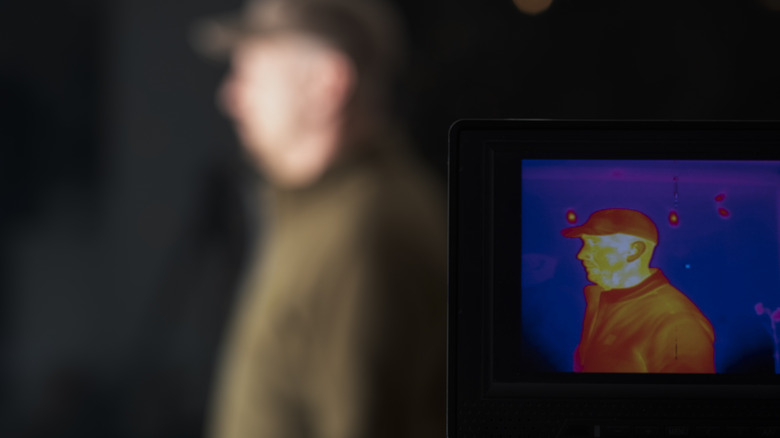
Outdoor security cameras are getting smarter by the day, with features such as motion detection alerts, two-way audio, and even floodlights. However, you should never underestimate criminals. Even if you've followed our recommended ways to help make your home more secure, they may be able to hack your systems and develop various tricks to bypass them. There's one thing that's tough to mask, however, and that's the heat emanating from their bodies.
A thermal camera detects infrared radiation from a potential intruder, whether the area is lit or in complete darkness. If your security camera sends you an alert that it detected movement in your backyard, but you can't see anything even with its floodlight on, using a thermal camera can reveal whether there's a person hiding somewhere by the heat that they give off. This ensures that you don't have to leave the safety of your home to check, and gives you the option to call the authorities immediately if necessary.
Monitoring plant health
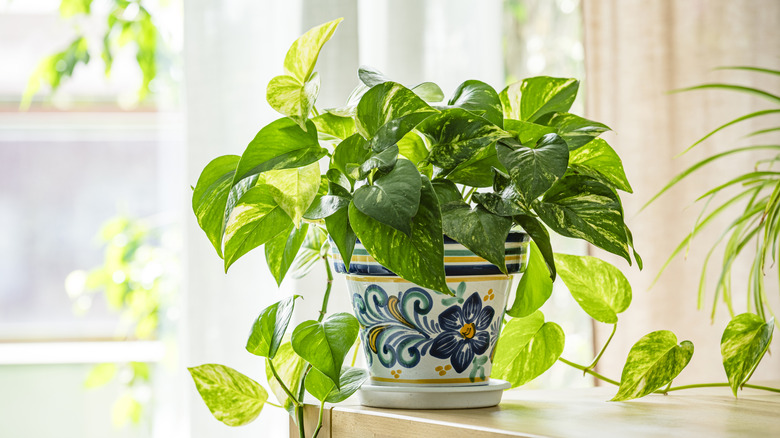
We all know what plants need to be healthy — light, air, water, nutrients, and space — and in exchange, they can make your home more comfortable through evapotranspiration. It's the combination of transpiration, which is when water vapor is released through their leaves much like how humans sweat, and evaporation from their soil. This process lowers not just their own temperature, but also that of their surroundings.
Changes in the usual temperature of a plant's leaves may indicate potential health issues, and the best way to determine this is by using a thermal camera. If a plant has a low rate of transpiration, which may be caused by a root pathogen infection, its surface temperature will be higher than usual, as it can't cool itself down. You can use the benefits of a thermal imager to monitor and record your plants' temperatures while they're healthy, so you will know that there's a problem that needs to be addressed when their leaves get hotter.
Assessing heating devices
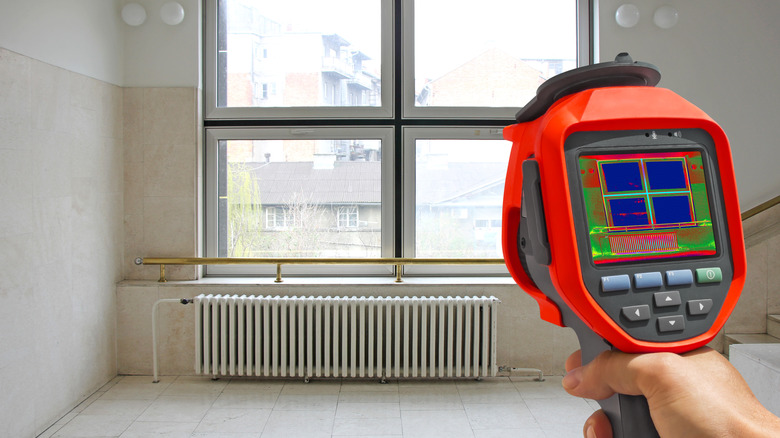
During the cold months, heating devices such as radiators or patio heaters may be costly, and during the warm months, air conditioning tends to increase utility bills. There are certain guidelines you can follow, such as ensuring you get the appropriate BTU for your climate and space. However, other factors that affect the performance of a heating device include insulation and ceiling height in enclosed spaces, exposure to sunlight, and the number of people in the area.
A thermal camera can help you assess if your climate device is sufficient for the space you hope to heat or cool. A thermogram will show the distribution of heat coming from the device, which will tell you whether you need to buy one with a different rating or multiple units to cover cool or warm spots not reached by the existing setup. It could also just mean that you need to make some rearrangements, such as placing the outdoor seats closer to your patio heater.
Checking appliances
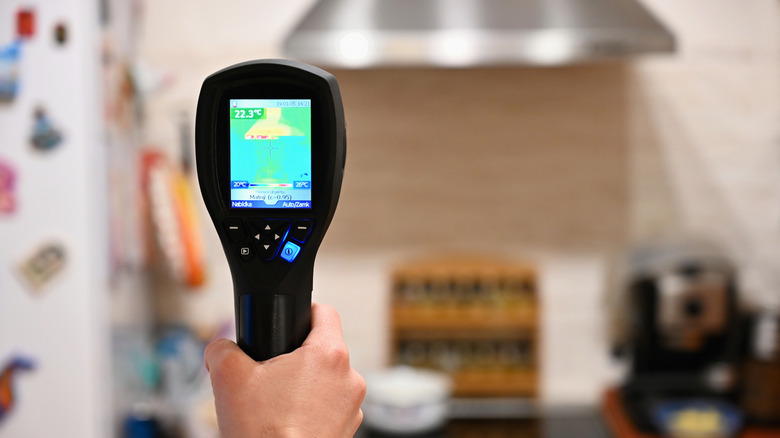
Home appliances that handle heat and cold want to keep these temperatures within a specific area, such as an oven or a refrigerator. Additionally, issues similar to the electrical hazards mentioned above may begin to form within appliances, especially if they're aging. They may still be working, but if left unchecked, these may lead to problems such as inefficient performance, surging electricity bills, and malfunctions.
With your thermal camera, you'll be able to check if heat is escaping from an oven due to a defective door seal or if a refrigerator is leaking cold air because of a worn gasket. A thermogram will visualize the problem, leading to wasted energy. Electricians also use thermal cameras to inspect HVAC systems for unusual temperature readings that could be a sign of leaks, blockages, or electrical malfunctions. You may see these anomalies yourself, but fixing them would be better left to the professionals.