

Xiaomi 17 Ultra Review: The Camera Champion
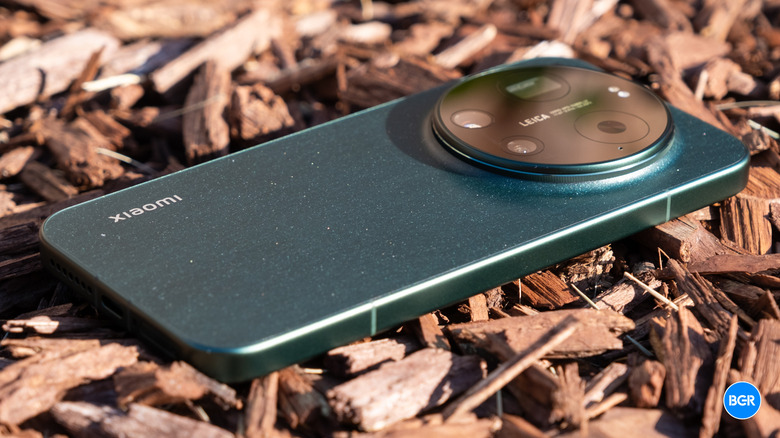
Xiaomi wants to make the phone with the best camera on the market, and the Xiaomi 17 Ultra is the embodiment of that mission. So much so that the company is leaning heavier into its partnership with camera manufacturer Leica than ever before.
Of course, if you want your phone's camera to beat the competition, it still has to be a good phone. No one is buying a device that has a good camera and nothing else. Thankfully, at least on paper, the Xiaomi 17 Ultra has a lot to offer. It's got the latest and greatest chip from Qualcomm, solid display specs, and more. Does it live up to its promise of not only boasting a great camera, but delivering an excellent end-to-end phone experience?
Design
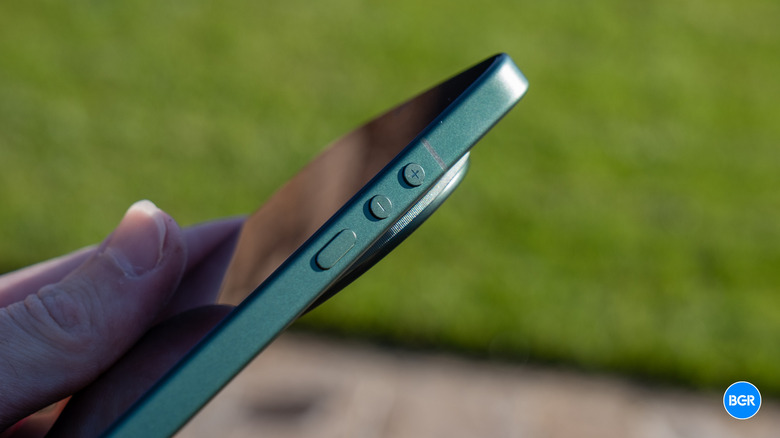
There's a lot to like about the design of the Xiaomi 17 Ultra. It looks and feels premium, and Xiaomi has put a lot of attention into the small details that come together to make for a high-end device. Like, a seriously high-end device.
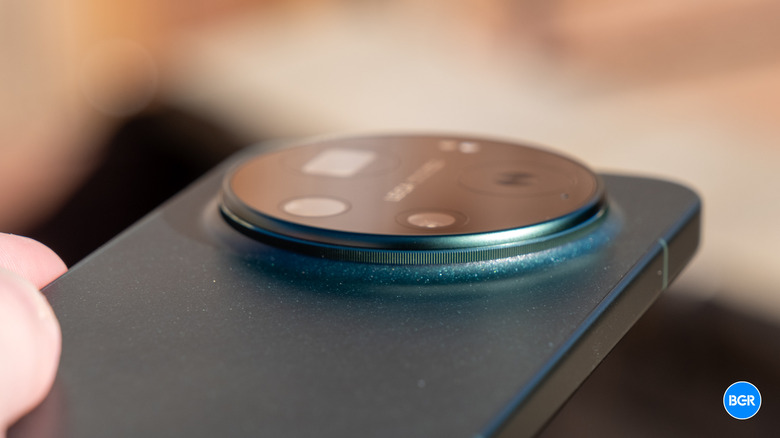
The basics of it aren't all that unique. The first thing you'll notice about its look is the now-signature oversized Xiaomi camera module, along with the flat-edged build that pretty much every phone has these days (not that I'm complaining). Look a little closer, however, and you'll start to notice things that make the phone look and feel nicer than the majority of the competition.
For starters, the green color looks amazing. The device comes in Black, White, and Starlit Green, and thankfully, that last one is the one I have. The green color has subtle sparkles that catch the light, which is a nice, premium touch. Also premium-feeling are the buttons on the sides. The phone has nice little round buttons for the volume controls, and they feel clicky and satisfying. So does the power button.
I highlight the premium look and feel because, in truth, the build isn't especially premium. The frame is aluminum, which isn't a bad thing, but the back is a so-called fiber-reinforced plastic. I didn't notice that it was plastic until looking at the spec sheet though — and I suspect most will have a similar experience. On that plastic back, you'll find a Xiaomi logo and a little Leica logo in the corner.
Xiaomi notes that the 17 Ultra is the thinnest Ultra device it has ever shipped, but don't take that to mean it's actually slim. This is no iPhone Air. In truth, it's only the thinnest because the others were pretty thick, and while the 17 Ultra doesn't feel overly thick most of the time, that giant camera module does make it a bit top-heavy.
Thankfully, the phone is relatively durable. It actually has an IP69 water and dust-resistance rating, so it can handle high-pressure jets and high-temperature water. Like any phone, you won't want to intentionally submerge it, but this one is more likely to survive if you do.
The device also works with Xiaomi's Photography Kit, like previous-generation models. It's designed to make the phone look and feel more like a traditional camera, plus it gives you physical controls for features like a two-stage shutter, a custom dial, and a dedicated video button. It's pretty cool — but not something I would want to carry around in my pocket.
Display
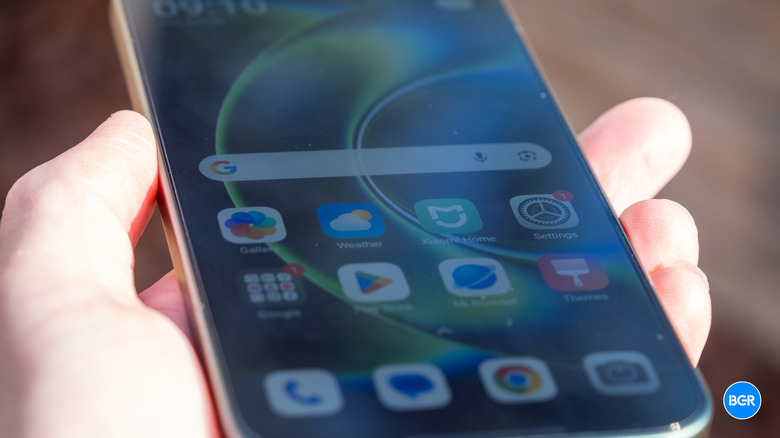
The Xiaomi 17 Ultra boasts a 6.9-inch AMOLED panel with a 2,608 x 1,200 resolution,120Hz maximum refresh rate, and 3,500-nit peak brightness. It's bright, vibrant, and detailed, and there's nothing really missing from it — except for the cool new Privacy Display tech from the new Samsung Galaxy S26 Ultra.
To be clear, there are brighter displays out there. But the Xiaomi 17 Ultra was still easily bright enough for the vast majority of use cases, including outdoors in direct sunlight. And it did a good job at sustaining that brightness over long periods of time, which isn't something that certain other high-end phones can claim.
Performance
Powering the Xiaomi 17 Ultra is Qualcomm's Snapdragon 8 Elite Gen 5, built on a 3nm process, and coupled with 16GB of RAM. In other words, it's an excellent performer. The Snapdragon 8 Elite Gen 5 in particular seems to be an excellent-performing chip, and it can easily handle heavy gaming, multitasking, and anything the average user is likely to throw at it.
It did a good job at sustaining that performance too. That means that it's a good choice for gamers who want a device that can handle longer gaming sessions without getting overly hot. It had peak GPU performance similar to the excellent-performing Honor Magic8 Pro, but it sustained that performance a little better, meaning that it didn't get as hot as quickly. It sustained its performance a whole lot better than the Galaxy S26 Ultra as well, which throttles somewhat aggressively.
Regardless of what you plan on using the phone for, it should be able to handle everything you can throw at it in 2026. It's one of the best-performing phones out there right now.
Battery and charging
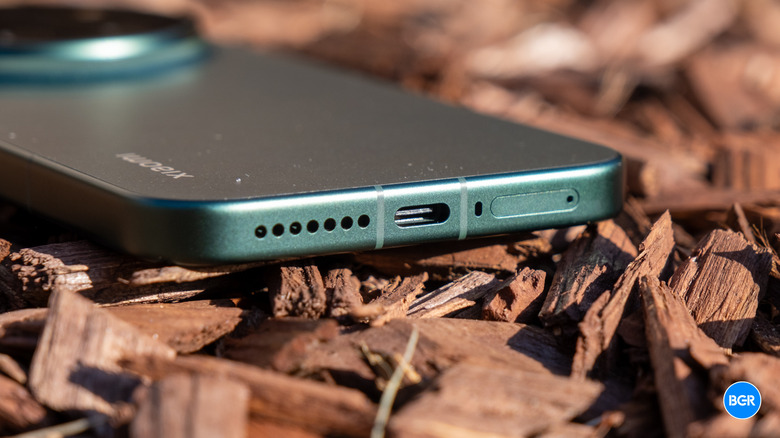
The Xiaomi 17 Ultra comes with a sizable battery, but which one you get depends on your region. The Chinese model ships with a 6,800 mAh silicon-carbon cell, while the global version gets a smaller 6,000 mAh capacity. Regardless, the actual battery life is quite good.
The battery is slightly smaller than the one found in the smaller Xiaomi 17, but it's still easily capable of lasting a full day of even heavier use. Less demanding users might get to a second day, but regardless, if you're in the habit of charging every night, you won't really have to worry about running out of juice in the middle of the day. I wouldn't say it's quite as long-lasting as the Honor Magic8 Pro or the OnePlus 15, both of which also have large batteries.
It also charges quickly, though there are phones that charge faster. It supports wired charging up to 90W, and the good news is that it supports USB-PD at those speeds, so you don't necessarily have to buy a propriety Xiaomi charger. Wireless charging hits 50W, which is also quick, though for that you will need Xiaomi's wireless charging tech.
Camera
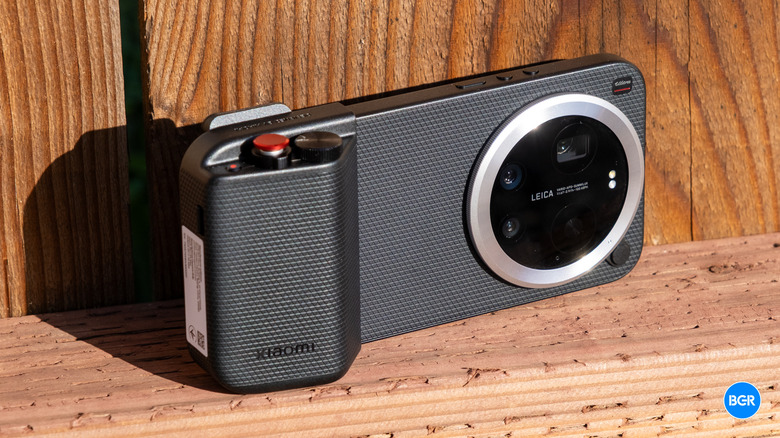
The camera system is arguably the main event here, and Xiaomi's ongoing partnership with Leica sits at the heart of the experience. The triple rear camera setup has been reworked from the last generation — most notably, Xiaomi ditched the dual telephoto configuration from the Xiaomi 15 Ultra in favor of a single, more versatile periscope telephoto lens. That's right, the telephoto camera actually has moving parts, though don't expect a huge optical range of zoom. Still, it's handy for framing zoomed shots. The main camera uses a 50-megapixel, 1-inch OmniVision OV50X sensor with an f/1.7 aperture at a 23mm focal length. The ultrawide camera has a 50-megapixel sensor with a 14mm focal length and f/2.2 aperture. Finally, the telephoto camera is the star of the show, offering a 200-megapixel sensor and, as mentioned, a variable aperture with between a 75mm and 100mm equivalent focal length.
So, how does it actually perform? Incredibly well. The camera system as a whole is perhaps the best smartphone camera system out there right now — though there are others on the way from the likes of Oppo and Vivo that could take that crown. The phone is very good at capturing sharp images in all lighting scenarios, and while the detail of images does drop off at deeper levels of zoom, images are mostly usable up to 50x or so.
Part of what makes the camera system so great is the fact that Xiaomi uses large sensors. At the heart of that is a 1-inch main sensor, which makes for a sensor that's able to capture more dynamic range and deliver more depth to images. I actually found that the dynamic range was only fine — but certainly better than many other phones. I did appreciate the depth-of-field on offer though.
The crown jewel, of course, is the telephoto camera, which has a variable zoom of between 3.2x and 4.3x — a pretty cool feature. Not only that, but Xiaomi says it's able to deliver "optical quality" images at up to 17.2x zoom — which tracks with the images I achieved. Images are detailed and crisp up to around 20x, and again, usable much past that. I also found that they offered relatively accurate color, which is always nice.
Up front, there's a 50 MP selfie camera, which kind of takes a back seat in camera quality compared to the rear-facing cameras. Its color-tuning is still quite good, but it's lacking in sharpness compared to the others, and the dynamic range is just acceptable. It does take solid shots, but they're not at the same level as the rear cameras.
Software
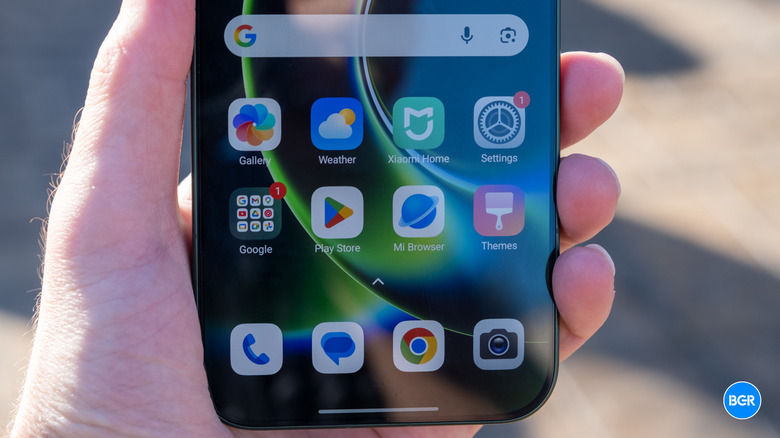
The Xiaomi 17 Ultra ships with Android 16 running Xiaomi's HyperOS 3.0 on top. HyperOS has come a long way since its debut, and version 3.0 feels relatively polished and less cluttered than earlier versions. The interface is snappy, animations are smooth, and Xiaomi has dialed back a lot of the aggressive advertising and bloatware that historically plagued MIUI. That said, you'll still stumble across some pre-installed apps, including duplicates of Google's apps and AliExpress.
Again, Xiaomi is getting better when it comes to software, but I still prefer the smooth and clean experience of the Pixel series. That said, if you're coming from iOS, you might find Xiaomi's HyperOS to feel a little more familiar than other Android skins. Xiaomi has been fairly criticized for arguably copying iOS features, but the implementation of them is solid and well-designed overall.
Xiaomi is also stepping up when it comes to updates this time around. The company says the 17 Ultra will get five years of software updates and six years of security updates. That's not industry leading, but it's better than Xiaomi phones have had in the past.
Conclusions
The Xiaomi 17 Ultra is representative of what the best of the best Android phones right now can be. It gets the basics right, like offering top-level performance and a great-looking screen, but it goes the extra mile in one area specifically — the camera. If you're looking for an Android phone with a stunning camera, you can't do much better than the Xiaomi 17 Ultra right now.
The competition
There's lots of competition to the Xiaomi 17 Ultra, both camera-focused and otherwise. Perhaps the biggest competition in the U.S. comes from the likes of Samsung, and the Galaxy S26 Ultra does indeed have a great camera — but it's not as good as the Xiaomi 17 Ultra's. Other competition — like the Oppo Find X9 Ultra – I haven't tested yet.
Should I buy the Xiaomi 17 Ultra?
Yes, if you want a great Android phone with a stunning camera.