

Mini LED Vs. OLED: Which TV Type Is A Better Investment?
Televisions have come a long way since being giant boxes using cathode ray tubes. Modern TVs use Mini LED or OLED technology to enhance picture quality, color, brightness, and the darkness of whatever you are watching. Both panel types have LED in the name, but work rather differently when it comes to showcasing a movie, TV, or video game on the screen. When it comes to deciding which one to spend money on, you should consider what you're primarily going to use the TV for.
If you tend to watch more movies and shows that feature darker-colored scenes, an OLED TV offers deeper black colors. Mini LED TVs focus on higher brightness and color expression, meaning they might be better for High Dynamic Range (HDR) content. While both panels offer excellent viewing and picture quality, you will generally spend more on OLED TVs. For budgeters searching for a new TV, Mini LED TVs may be the better investment, especially since they both have similar lifespans.
Mini LED and OLED panels can enhance your TV viewing and gaming experience by offering clearer, crisper, and more defined picture quality. Just be careful about leaving an OLED on a static image too long, or you may risk burn-in, something Mini LED TVs don't have to worry about. As you can see, there isn't a clear-cut answer for which panel you should pick; there are a few pros and cons to consider when it comes to both options.
When you should pick a Mini LED TV
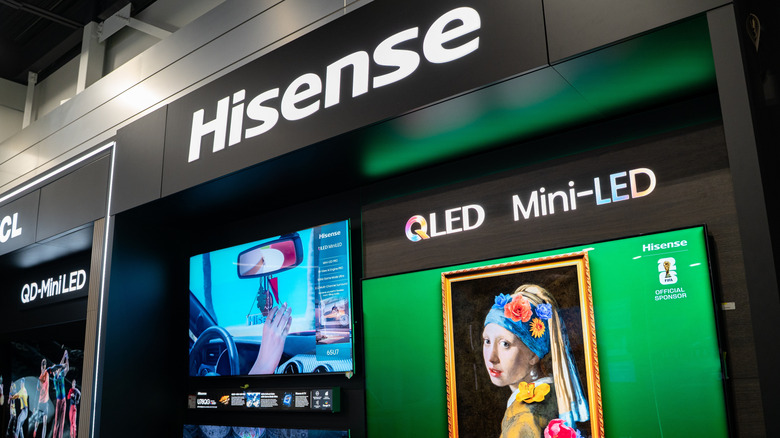
The name Mini LED TV does not mean the TV is smaller in size or stature. The LEDs used as backlighting are where the mini name comes into play. The smaller LEDs can be placed closer together to provide increased lighting, brightness, and color. The first such TV was launched in 2019 by TCL, making it newer than OLED.
LED (light-emitting diode) TVs are among the most common TV displays. Despite the name, they really use a liquid crystal display (LCD) panel, with LEDs acting as the backlight for the screen. Mini LED uses the same technology, but with much smaller LEDs packed into the backlight. This allows for a better combination of color, brightness, and contrast, plus it can make black colors even darker for a realistic image. When it comes to how long those details will last, you may get around 100,000 hours of use out of an LED TV, which translates to roughly ten years or more. But that can depend on how long you watch and keep it on.
You'll find that Mini LED TVs cost less than OLEDs. Let's consider two affordable options for each panel type. The TCL 55” QM6K Series QD-Mini LED retails for $649.99, while the Samsung 55-Inch Class OLED 4K S85F Series is more expensive at $897.99. There are a few disadvantages to Mini LED TVs, however. Black colors can appear more gray, and these TVs aren't the best at viewing from an angle. An OLED may be more expensive, but there are reasons to own one, especially if you're a cinephile.
When you should pick an OLED TV
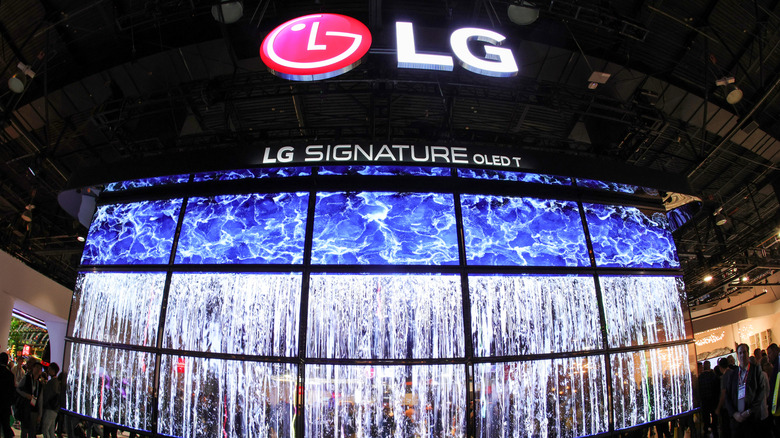
OLED TVs (organic light-emitting diode TVs) work differently from LED TVs. Instead of using an LED backlight, each pixel produces its own light and can be switched on or off independently. This allows OLED TVs to deliver deeper blacks, stronger contrast, and more vibrant colors, creating a more immersive viewing experience for films, TV shows, and games. OLED TVs also offer wider viewing angles than Mini LED models, which generally look best when viewed head-on.
The main drawbacks are cost and the possibility of image retention or burn-in. Image retention is when an image temporarily remains on the screen after the original leaves. This can be a game menu, news banner, or lower-third graphic. While prolonged image retention can lead to permanent burn-in, modern OLED TVs include features designed to minimize the risk, and most owners are unlikely to encounter the issue during normal use. OLED TVs can also be significantly more expensive than comparable Mini LED models. For example, the LG 65-inch OLED costs around $1,399, while the LG Amazon Exclusive 65-inch Mini LED TV is available for about $600. As for how long an OLED TV will last, those who have owned one say they've had theirs for several years without an issue.
For most buyers, Mini LED offers the better value proposition. With a Mini LED TV, you can watch shows, movies, and play games on a cheaper screen with crisp, clear, and bright colors. An OLED TV may make a better home theater choice and offer a more vibrant color and darker blacks, but that price point is steep. If you want to get more of a wow factor, go for an OLED. For a better investment, Mini LEDs are tough to beat.