

5 Advantages Of Android Watches (And 4 Disadvantages)
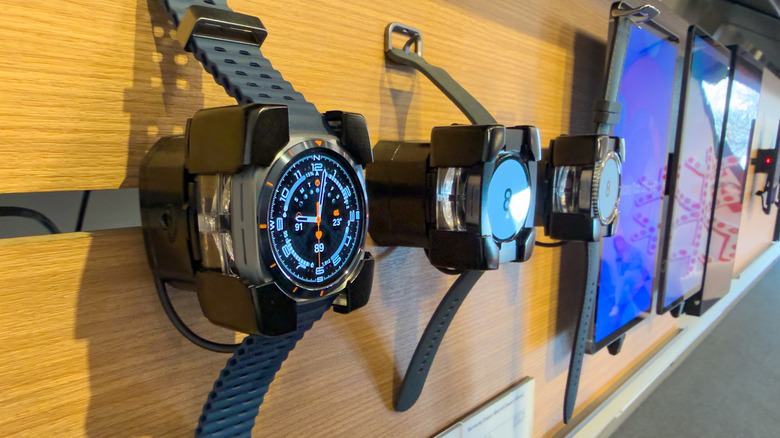
Smartwatches started as a niche product, overpriced and limited, but in recent years they have evolved into full-blown gadgets in their own right. It is not hard to see why as they offer everything from fitness tracking and smart notifications to making digital payments and staying abreast of the news. A smartwatch can do it all, while often being more convenient than a phone and more useful than a traditional watch.
But then the question arises, which smartwatch is right for you? The concept itself was started by Android, and the ecosystem has matured significantly, with a lot of brands in various price ranges powered by the flexible Wear OS framework. Yet, it is the Apple Watch that really popularized the smartwatch, with its more stylish look and streamlined functionality. And the company is also well known for the quality of its tech products, making it the de facto option for many.
But which smartwatch is better? Android or Apple? Keep in mind that Android watches are a broad category with many brands selling smartwatches under this umbrella. A feature -– or a problem –- on one particular model might not be present on another, making blanket statements for Android watches more of a challenge. That said, as we look at the advantages and disadvantages of Android smartwatches, some affect the category as a whole while others are product specific.
More apps
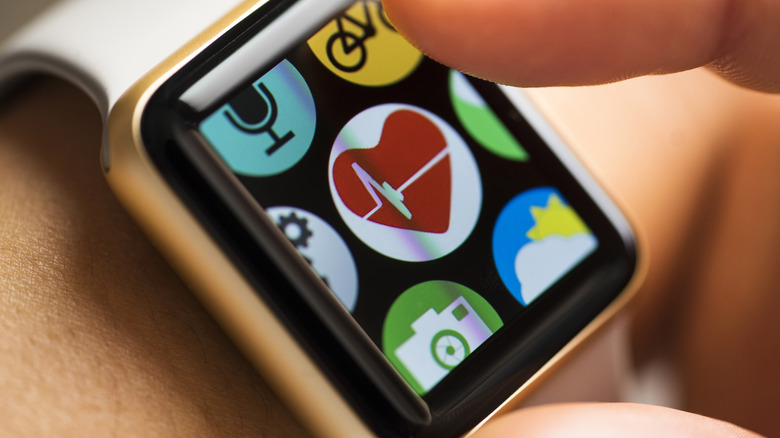
The biggest advantage of Android watches is one that is touted for smartphones as well –- the more diverse app ecosystem. Both Wear OS and WatchOS have a store packed with apps, but the app selection varies greatly. Apple has always had a more restrictive app store, for smartphones as well as smartwatches. Creating and submitting an app for any Apple device is a difficult process, as apps need to meet stringent quality checks and guidelines to be approved.
While this ensures that any app present on the Apple App Store works seamlessly, it also greatly limits the app choices actually present on the store. Android, on the other hand, has a more permissive app store. Any third-party developer can create and publish their app on the Play Store, adhering to some basic compatibility checks. This means Android watches have access to a bigger selection of third-party applications, with useful and convenient options for almost every function you could think of.
And that's not all. It is even possible to unofficially install smartphone apps into an Android smartwatch through sideloading. This lets you run any Play Store app on the watch, even when it is not officially supported. Of course, the lack of an official port means that things don't work perfectly, but this is good enough for social media apps like Discord or Instagram, among many others. Such a thing is impossible in an Apple Watch without jailbreaking it, and, even then, it is inconsistent.
Better affordability
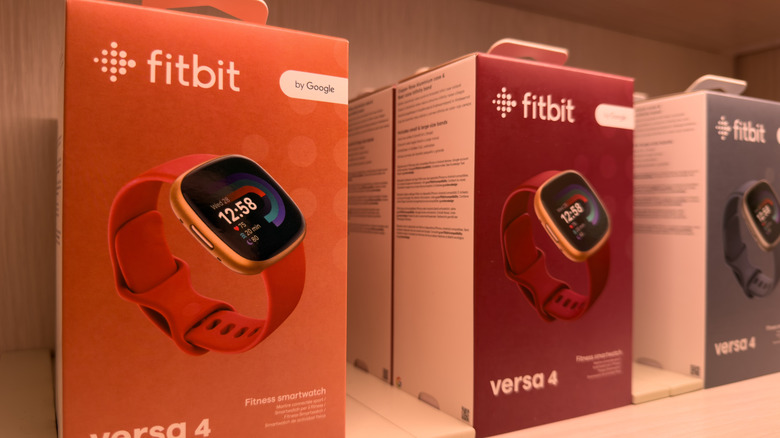
Apple is known for its premium tech products, featuring great finish, stylish designs, and consistent quality. It also means high prices, and not necessarily for better features — simply because of the Apple logo. Enter Android. As a more open operating system, Android allows any compatible hardware to run it, which means that even new brands can hop onto the platform with their products. This fosters competition, improving innovation and cutting down prices.
The high number of brands means that you will find many entry-level options that run on cheaper hardware, lacking the bells and whistles of the top contenders but also being more affordable. If all you care about is the basic functionality of a smartwatch, you can get a cheap Android smartwatch that Consumer Reports recommends buying and call it a day. This is not possible with Apple Watch, where you have just a couple of variants and none of them come cheap.
The best part is that you will usually get more feature-packed watches for the price in Android than in Apple. Even if you are not looking for a low-budget option, you can find the same specifications or even a slightly better smartwatch in Android for half the price. And that's with the big-name brands like Samsung and Pixel. Brands like Xiaomi and Amazfit are loaded with the latest features at a fraction of the price.
Broader variety
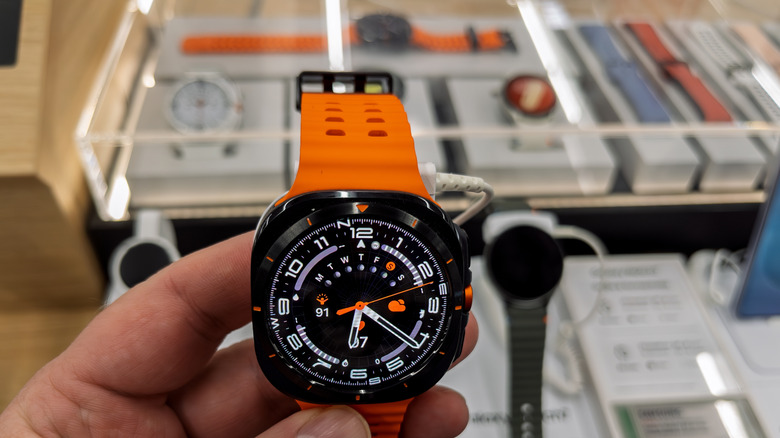
The utility isn't the only reason a person buys a smartwatch. Smartwatches are fashion accessories as well, just like regular watches. While there are certainly people satisfied with one good watch to wear with all outfits, most of us would like a bit more variety than that. And that's a situation in which smartwatches excel. With traditional watches there aren't that many form factors, but smartwatches come in all kinds of shapes and sizes. At least, the Android smartwatches do.
Apple Watch has its iconic rounded square look, and no matter which model you buy, you will get that design only. But with Android there is a lot more variety, thanks to all the different brands and the competition. You can find the rounded square shape of the Apple Watch, of course, but also completely round dials, or even models that mimic the look and feel of a traditional watch, with a metallic body and a watch face to match.
This means that with Android, you have enough options to find exactly the kind of aesthetic you like. Heck, the low prices mean you can easily buy a collection of cheap Android smartwatches that users swear by and wear a different style with every type of outfit. The variety of Android smartwatches means you can find any specific feature set you want as well. Screen size, for example, is fixed for Apple Watch. But in Android you can find models with larger or smaller screens than standard.
Increased customization
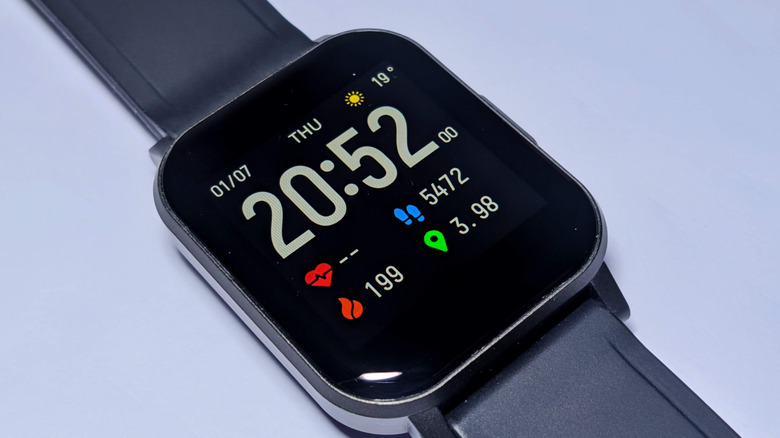
An obvious advantage of smartwatches is that they feature a digital touchscreen instead of the usual dials of a traditional watch, which means you aren't limited to a basic time display. This gives users endless personalization by choosing a custom "watch face." The watch face is the default screen that appears when you raise your wrist, and this feature is present in both Wear OS and WatchOS.
This watch face could be a traditional style dial, a wallpaper with some text boxes, or anything, really. As with any visual aspect, there are a lot of possibilities of style, color, and layout, with each person having their own preferences. Thankfully, you can customize the watch face to your liking by picking between thousands of third-party designs available. On Android, that is.
The Apple Watch has watch faces, too, they are just more limited. There is no framework for any third-party creator to create watch faces; the only options are the ones provided by the OS itself. In contrast, Android's Wear OS has a customizable watch face format, letting anyone try their hand at creating a watch face design and uploading it to the Play Store for other users to download. This factor makes Android watches a lot more flexible in terms of customization, letting you experiment with all kinds of watch faces that are not available on Apple.
Wider compatibility
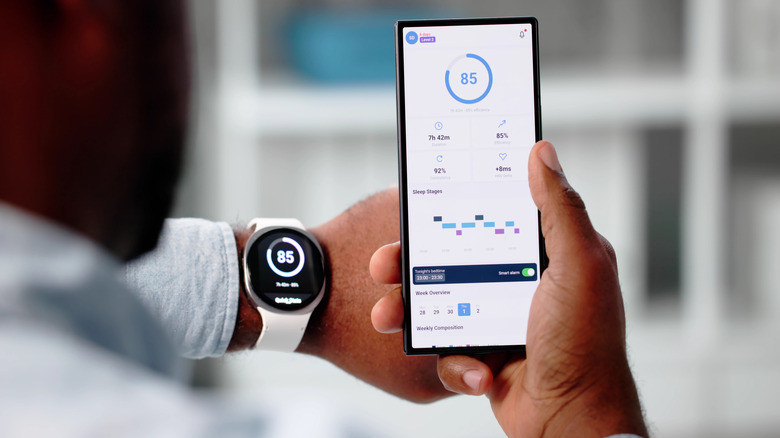
For many people, the most important consideration when choosing between an Android smartwatch and an Apple watch is about the ecosystem. An Android smartwatch locks you into the whole Google ecosystem, while an Apple Watch forces you into the Apple ecosystem. This extends to which smartphone they can pair with, and pairing is essential to access most of a smartwatch's features.
So, the obvious question is, which ecosystem is better? For the most part, the answer is determined by the smartphone you are already using. Unless you want to switch phones after getting a smartwatch, you want to get a watch that's compatible with your phone. And that is where Android shines. Whether you have a Samsung, Pixel, OnePlus, or any of the major Android phone brands, an Android smartwatch would be compatible with them all.
The Google ecosystem is also arguably more universal. It lets you access Google Pay, integrate with a Google Home setup, and use voice commands through the Google Assistant. Apple does have its own versions of each of these services, but Google has better compatibility with other devices and businesses. Not to mention native integration with universal services like Google Maps or YouTube that you will be able to use through your Android smartwatch.
Inconsistent quality
We talked about the advantages of the less restrictive platform given by Android to manufacturers, but that can also be a double-edged sword. The lack of a strict entry requirement means that any smartwatch that meets the minimum requirements can run Wear OS and brand itself as an Android smartwatch. Google itself does not do any quality control for the various smartwatch brands selling under the Android umbrella, making the products inconsistent in terms of quality.
There are a lot of cheap Chinese smartwatches that sell under random names, and most of them are not that good. Even among the more established brands, you will find issues in the lower end of the cheapest smartwatch brands. And unlike Apple, most of these cheap brands don't even have a responsive customer service presence around the globe.
Of course, most of these issues stem from going too cheap, where the manufacturers have to cut corners to offer the low prices, reflecting in the poor quality. If you are willing to bump up the price a little, you can find the same premium quality you expect from Apple. The top-end smartwatches of brands like Samsung Galaxy or Google Pixel have the brand reputation without the exorbitant cost of Apple, and they support the latest Wear OS versions seamlessly as well.
Laggy performance
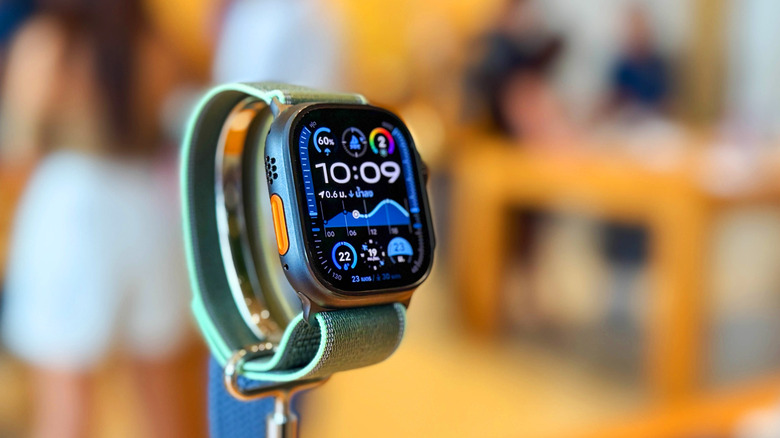
Android watches run on Wear OS, giving a uniform interface to all Android smartwatches and ensuring seamless app compatibility. In theory. In reality, Wear OS has long struggled with performance issues, while Apple's WatchOS is well known for its smooth and snappy performance. The issue is further exacerbated by the diversity of hardware that runs Android, since there are a lot of cheaper smartwatches that just aren't up to the task of supporting Wear OS properly.
Contrast this with Apple, where the company has strict control over the hardware used in its models, which ensures that the OS and any apps used work seamlessly on each and every one of them. This kind of quality control is impossible for Android smartwatches, resulting in an OS that performs inconsistently. This also creates optimization issues, where you can see Android smartwatches running out of battery sooner, even with equal or larger battery capacity to an Apple watch, simply because of the inefficient OS.
We'll touch on battery life next, but things are changing for Android smartwatches. The baseline performance of the hardware available has improved dramatically, allowing top-end options to run the WatchOS smoothly. Google and Samsung have specifically collaborated to create a more consistent experience, using tested hardware configurations and better integration of Google services. In short, while the Wear OS suffers from laggy performance for weaker or older smartwatch models, the newer premium models are at par with Apple.
Poor battery life
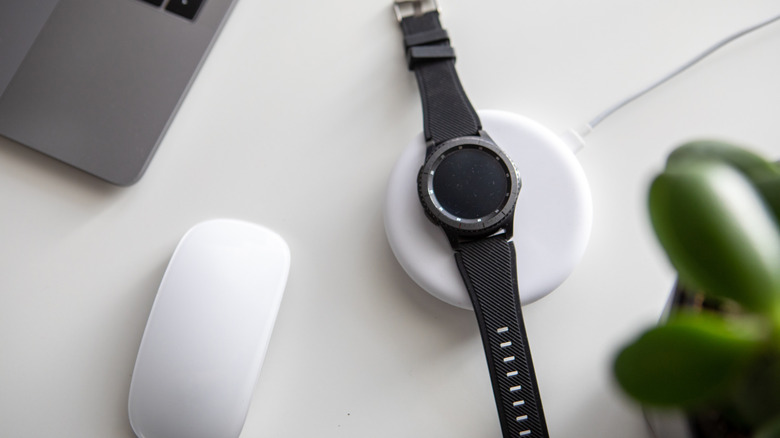
Battery life is a very big factor for smartwatches. Unlike phones, it is not a device you can conveniently charge, as you need to take off the watch from your wrist first. At the very least, you want the battery to last you through the day. So you just get a smartwatch with a higher-capacity battery, right? Unfortunately, it's not that simple. The rate at which a smartwatch consumes battery is a bigger factor, and one often overlooked.
A part of it is dependent on your usage patterns. The more active apps you use, the more battery the smartwatch consumes. But the efficiency of the system itself is also a question. Assuming similar battery sizes and same usage patterns, the Apple Watch lasts much longer than the leading Android smartwatches. This is not an issue with a particular brand as well, since both Samsung and Pixel smartwatches show similar battery lives.
No, as we mentioned in an earlier section, the problem is the poor optimization of the Wear OS itself, and differences in the hardware between Android and Apple. Android smartwatches pack a lot of apps and customizability, but often at a cost of power efficiency. The good news is that Android watches have been improving, with newer models featuring better integration with Google services and better-performing hardware. Now there are multiple budget smartwatches with better battery life than Apple Watch.
Inaccurate sensors
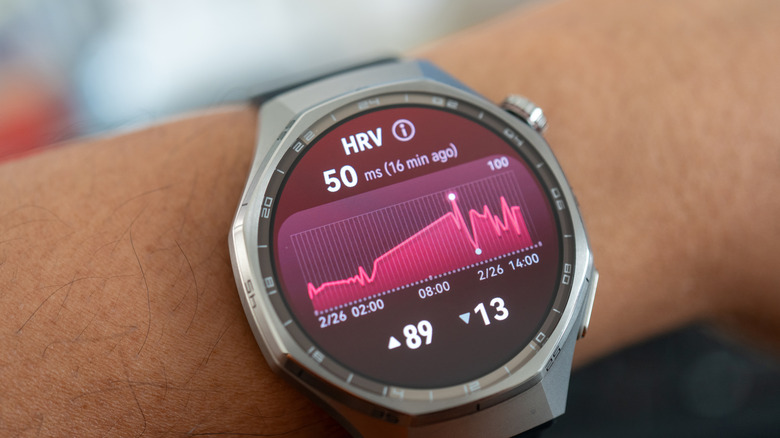
Fitness tracking is one of the main reasons people get a smartwatch, since this device can measure your heart rate, blood oxygen level, or measure the calories you have burned and the steps you have taken. The good models also measure sleep metrics, monitoring your sleep phases and the durations spent in each one. All of this is useful information that can help you understand your body's fitness better -– depending on how accurate this information is.
And accuracy is another field in which you will notice a difference between Android and Apple smartwatches. The Apple watch performs surprisingly well, being on par with proper medical heart rate monitors. Android smartwatches, in contrast, show some deviation, though the info is still accurate enough for most casual users. Of course, smartwatches can't be considered medical diagnostic tools, so some level of inaccuracy is to be expected. But heart rate monitoring is very useful, as knowing the actual numbers is crucial to planning out the workout intensity and tracking your body's response.
Meanwhile, things like step count or distance travelled are measured equally well by both platforms. Another major factor is the ease of extracting the measured data. Most leading brands, both Apple and Android, struggle with this. But Android's flexible ecosystem means you can go with a fitness-focused brand like Garmin and get a better experience, with detailed tracking, rugged design, and superior UI allowing Garmin watches to beat the Apple Watch for fitness users.