

5 Disadvantages Of Buying A Used iPhone
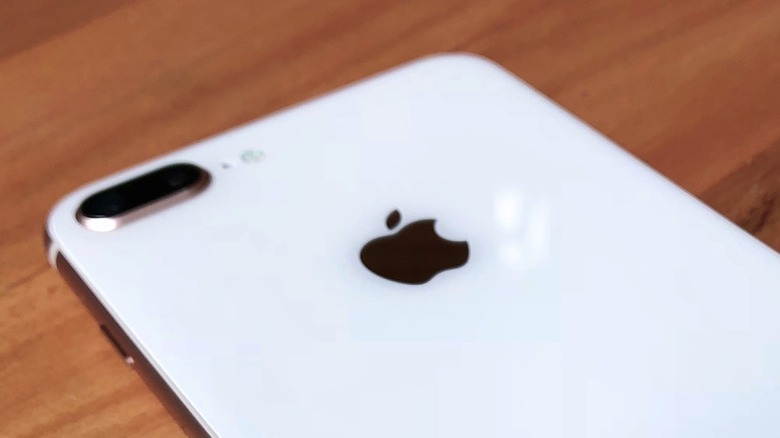
The iPhone is one of the best smartphones you can buy; in fact, Apple phones are the most popular in the United States. Even when you buy a second-hand iPhone, or one that is a few years old, it might still be better than many mid-range Android options. Still, buying a used iPhone has its disadvantages. You might not receive many more iOS updates, the hardware may age faster, and it is harder to trust the refurbished market when you don't necessarily know a device's origin.
All of those factors could make a somewhat cheap phone a lot more expensive in the long term. After all, if you get a phone with counterfeit parts, then you may need to spend extra on genuine replacements. Apple is making it almost impossible for customers to use counterfeit parts on newer devices, as every internal part now requires validation from Apple, even if you take it to a third-party repair shop.
Whenever someone asks me what's the best iPhone they could get for the cheapest price, I never recommend getting a used device. I usually say that the best iPhone they can get is the newest one that their money can buy, as they can make sure the phone will last longer before running into issues. These are some of the disadvantages of buying a used iPhone.
iOS updates
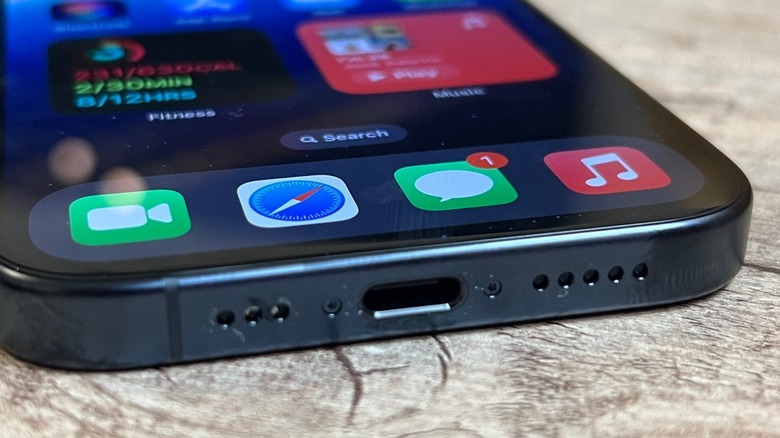
If you're just looking for a new iPhone, then you could think that buying a second-hand iPhone 15 could be a great idea, right? The phone was released in 2023, so is fairly new, and offers the most recent design. However, the iPhone 15 is the newest iPhone that does not support Apple Intelligence, which requires an iPhone 15 Pro or newer. Many of Apple's current and future software updates are simply not made to work with older iPhones, as the tech giant has increasingly focused on Apple Intelligence capabilities. iOS 27 will continue to support up to the iPhone 11, a device released in 2019.
However, you can never tell for how long Apple will support a software update. Apple typically provides major software updates to its devices for seven years, before they become unsupported. They'll still receive smaller incremental updates with security patches, thankfully. However, you can never tell until Apple will keep devices updated for certain. For example, watchOS 27 dropped support for the Apple Watch Series 6, Series 7, Series 8, the SE 2, and the original Apple Watch Ultra. The Series 8 and the original Ultra models were released in 2022, so they were only four years old when dropped.
Old hardware
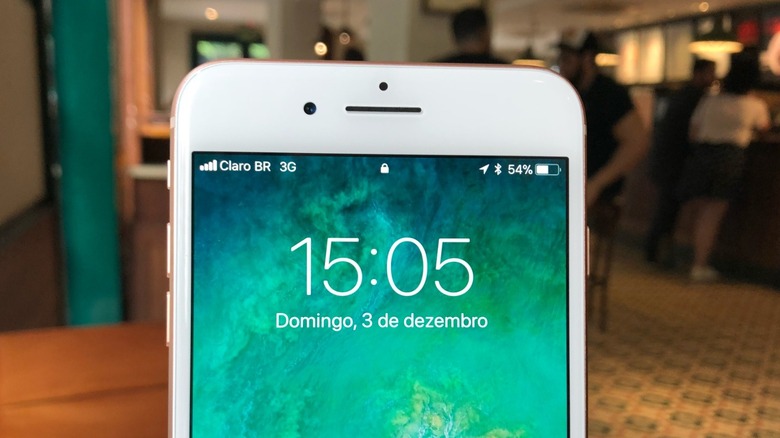
Another disadvantage of buying an old iPhone is that you'll be getting old hardware. Apple consistently improves the battery life of newer iPhones, not only with bigger batteries, but also with more efficient processors. In the iPhone 17 Pro, Apple stopped using titanium and even added a vapor chamber cooling system to better cool the device's processor, so it can run more demanding tasks without quickly draining the battery. Depending on the age of the used iPhone you're getting, you might miss out on key features. For example, an iPhone 16 doesn't feature Always-On Display or ProMotion features, while the iPhone 17 does — these features were previously exclusive to the Pro models. An iPhone 15 doesn't have the Camera Control, while the iPhone 14 lacks an Action Button.
One other big disadvantage could be the amount of storage on your device. The iPhone 17 starts at 256GB of storage, which is an increase from the 128GB starting storage the iPhone 13 through iPhone 16 offered. If you're looking at an iPhone 12 or iPhone SE 3 from 2022, your device may only have 64GB of storage, which is impractical for 2026 standards. Then, when you consider the cameras, fast charging capabilities, and software features, buying old hardware can be really tricky, especially in the long term, as you might want to keep your device for a few good years.
Warranty and AppleCare+
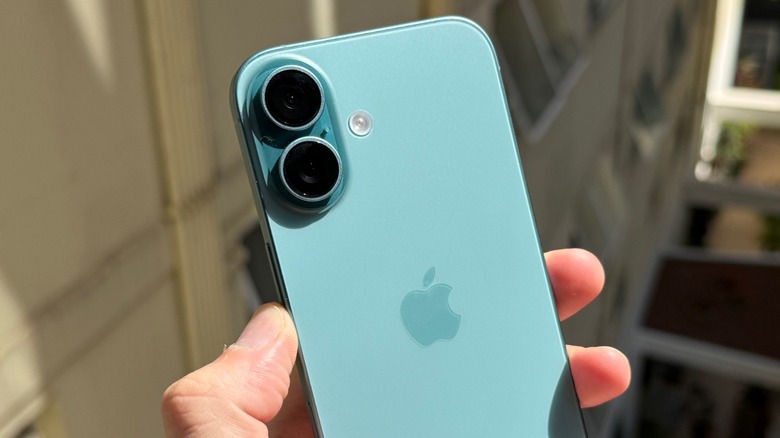
Apple provides a free one-year universal warranty for its products. Even if you don't purchase a new device directly from Apple, it still comes with that a year of warranty. This applies to all Apple devices bought in any region, though you may only be able to get repairs in the country of purchase. However, if you're buying a used iPhone, there is a high probability that it is more a year old and the original warranty has expired. I sell my old iPhones with AppleCare+ coverage, and advise friends to only buy used iPhones with AppleCare+ in place.
But the most likely scenario is that a used iPhone will come without warranty or AppleCare+. Apple only offers 60 days after the purchase of a new device to add AppleCare+; if you take longer, then you can't add it anymore. In the long term, it means that after you buy your new-used iPhone, you likely won't have access to free replacements, or discounted repair rates if something happens to your phone. That's a big disadvantage, especially when you check the prices to replace the battery, a broken display, broken back glass, or if you need to replace the entire device if any accident happens. With the iPhone 17 Pro Max, for example, battery services start at $119, screen replacements start at $379, and some repair costs are as high as $799.
Unreliable refurbished markets
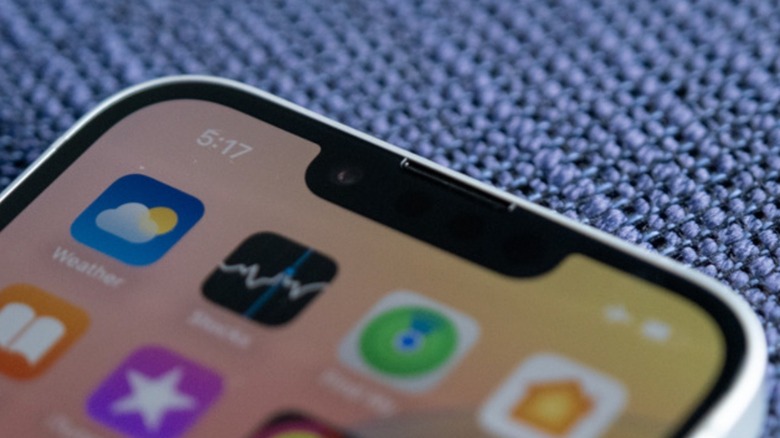
Many third-party marketplaces sell refurbished iPhones. While there are several trustworthy options, it's also very common for people to just try Facebook Marketplace to find the cheapest deal. However, this is when people are at a higher risk of getting scammed. If you're unfamiliar with technology, or you can't have a good look on the phone before you buy, it can be hard to spot if something's not right. In that case, it may be wise to stay away from the second-hand market. While it isn't bad to buy phones second-hand; the best way to do that is to shop on marketplaces and apps you can trust that offer quality guarantees.
In photos, it can be hard to spot if an iPhone has cosmetic flaws. But it's impossible to tell if the device features its original accessories and parts, or if the phone is infected with malware or a virus to get your data. It may also be harder to check when the iPhone was released, if it still supports the latest iOS updates, or if it has any warranty left. A good step is to try and get a photo of the device with the serial number on the screen, which you can use to check the warranty, which updates it supports, and even if it's stolen. Although less expensive, it's like buying a used car. You can get it for a steal if you know what you're looking for, or you might have a massive headache.
Battery issues
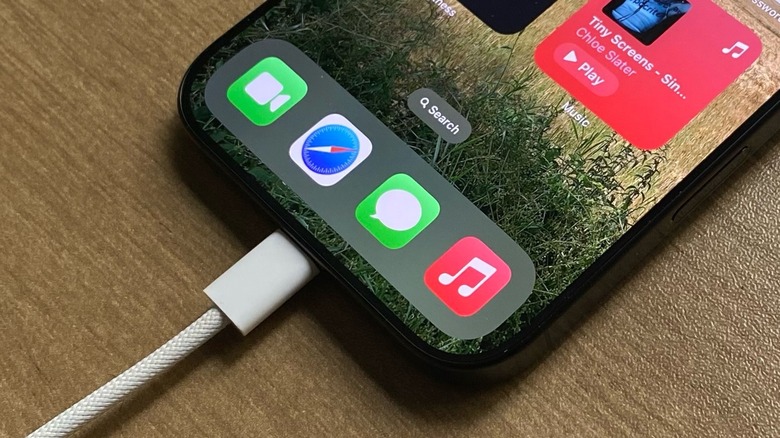
One of the biggest disadvantages of buying a used iPhone is its battery health. In a year, it's natural for a new iPhone to lose up to 10% of its original capacity — which matches my experience over the past few years. However, if you're buying a device that was released a couple of years ago (or even longer), then it's most likely that it needs a battery replacement. Prices range from $89 for an iPhone 11 to $119 for the newer models.
If you decide to keep the used iPhone without replacing the battery, then you may have to charge it more often than you'd like, or you'll have to carry a power bank around. Having a phone with terrible battery life can eventually slow down your experience, and sometimes the iPhone might unexpectedly shut down before hitting zero percent. Over generations of iPhones, Apple has improved the amount of cycles an iPhone can hold, and added new software features to ensure the battery lasts longer. However, if you're getting a used, older device, then it's most likely that it will feature some of the issues you have been experiencing with your existing iPhone.