

10 Solar Panel Innovations That Increase Reliability
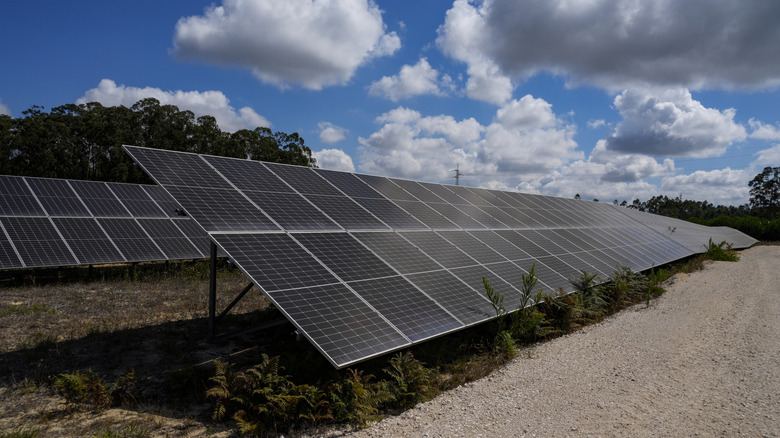
As attention on global warming grows and its impact becomes more apparent, renewable sources of energy are becoming more and more critical. 2025 was one of the warmest years to date, and it's only getting worse, a clear indicator of the shifting climate. On a more practical level, the rising fuel prices and the shaky availability of fossil fuels due to geopolitical tensions are driving home the importance of diversifying our energy sources.
But if we talk about renewable energy, what options are there for us to consider? While some wind farms do exist, it is not an easily scalable technology and is not usually implementable on a household level, either. Hydroelectric power suffers from similar issues and is even more geographically limited. But one source of renewable energy that has already stood the test of time and keeps chugging along is solar power. Solar panels can be installed pretty much anywhere on Earth (even outside it, as satellites and spacecraft do) and can consistently produce power on a daily basis.
But why then do we not see a greater prevalence of solar power? There are factors like the cost of setting up and the inertia to change, but the main reason historically has been reliability in delivering large amounts of energy consistently. In the early days of solar power, the panel technology was still nascent and had many shortcomings. But over the years, the technology has improved, with many new innovations that have improved the reliability of solar panels as a viable source of energy. Let's look at some of those advancements and their impact.
Structural improvements in solar cells
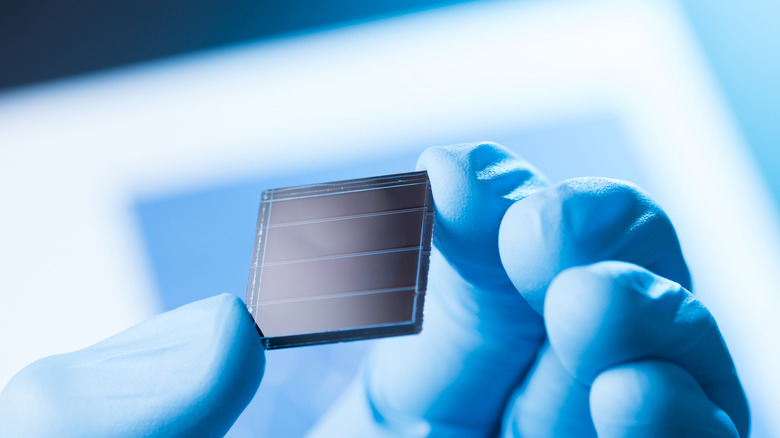
A solar panel's job is to take the light hitting the panel and convert it into electricity. Simple, right? Except this isn't a perfect process. When the photovoltaic effect was first discovered, the conversion efficiency was just one percent. Over the years, silicon-based solar technology came to the fore, and panel efficiency improved to around 15% by the '90s. But the innovation didn't stop here. Just as silicon-based microprocessors have improved by leaps and bounds in the last two decades, silicon-based solar cells have also continued to advance.
These improvements do not change the basic material used, but feature better, more efficient structures that can make use of a greater fraction of the light. A lot of this has to do with the crystalline composition of the silicon used. High-purity monocrystalline silicon results in large, efficient solar cells and is the standard for most solar panels. Polycrystalline silicon cells also exist for applications that require a more flexible panel.
Even more complex architectures have been developed to further improve efficiency. Heterojunction (HJT) solar cells, for example, combine thin-film silicon with crystalline silicon to create a hybrid cell that can absorb more energy than standard cells without sacrificing lifespan. Then there is Tunnel Oxide Passivated Contact, or TOPCon, combining silicon oxide with polycrystalline silicon to minimize electrical losses, creating a solar cell that can work well in both high-heat and low-light conditions. The solar panels of today often run at an efficiency of 25% or more, making solar a more consistently reliable source of energy than ever before.
Flexible panels
We just discussed how solar cells have evolved over time, becoming more efficient in terms of both energy conversion and physical size. The structural improvements also mean that many different types of solar cells can now be fabricated, using the same silicon but in different crystalline forms. Normally, the standard is to create larger solar cells with highly dense crystal structures that can absorb the most light possible. But it is also feasible to make smaller and thinner cells instead, which can be used for flexible solar panels.
So, what's the benefit of flexible panels? Standard flat solar panels are cheaper and better at energy production, so they are usually preferred for flat rooftops. But this form factor also greatly limits where they can be deployed, preventing solar from being a universal power source. Flexible solar panels change that. The biggest advance is that you can install a flexible solar panel even on smaller, curved surfaces, which greatly expands their utility.
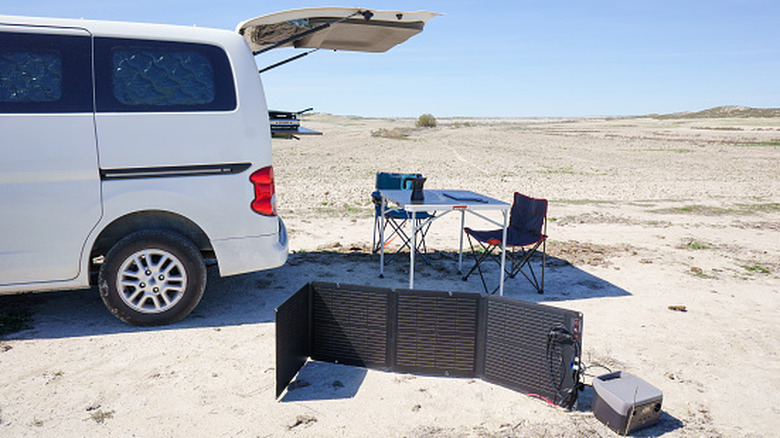
This also makes foldable solar panels a reality, bringing mobility to the technology. Such portable solar panels are a very reliable source of power for camping or hiking, as there are many devices you can power with portable solar panels, even without access to the power grid. The RV lifestyle is especially dependent on a power source to run a whole range of gadgets and appliances, which is hard to find off-road. But with flexible solar panels, the RV (and your gadgets) has access to electricity wherever there is sunlight.
Solar glass
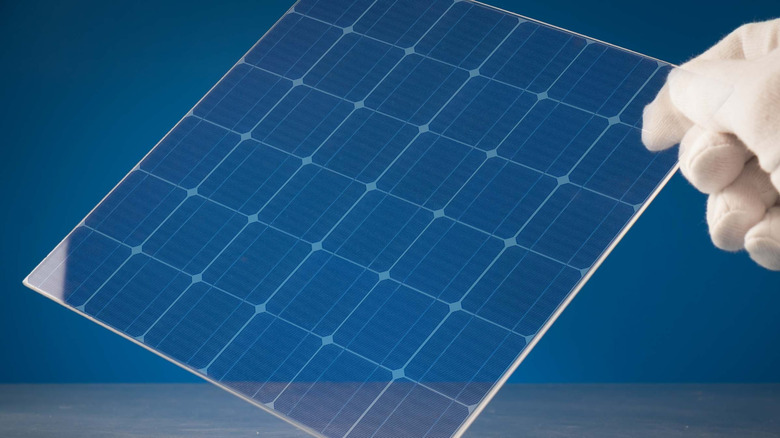
Remember how we said that solar panels can only absorb a fraction of the light falling on them? Normally, this is seen as a limitation, as the rest of the light is wasted (at least in terms of power production), but what if you could use solar panels as glass? Windows, for example, are meant to let in the light, and often have anti-glare coatings to reduce the intensity. Could a solar panel not use this blocked fraction of light to produce power while still keeping the function of the window?
It actually can, and your windows could soon generate electricity thanks to this solar breakthrough. Recent research has achieved semi-transparent solar cells that can absorb invisible radiation like UV rays and infrared (already blocked by most glass) to produce electricity. This means solar panels can be created with a thin film of photovoltaic material sandwiched in protective glass, essentially giving a transparent panel.
This may seem like a lot of work for little payoff, but transparent solar panels have some interesting use cases. The main factor is that it makes solar power a more reliable source of energy for any kind of building, even one with limited rooftop space. Many office buildings – and high rises in general – have a lot more vertical surface area than ground footprint, with relatively little rooftop space to outfit with solar panels. What they do have in abundance, though, are glass windows. Skyscrapers in particular are almost completely encased in windows, which represents a massive surface area that solar panels can tap into.
Bifacial solar panels
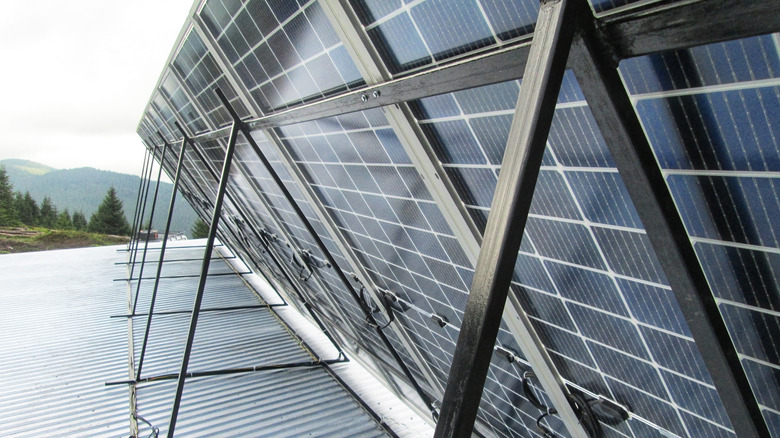
We are all familiar with the design of a solar panel: a flat panel with a special silicon surface on one side that can collect sunlight to be converted into electricity. They are often installed on rooftops, facing the sky, maximizing the amount of sunlight they can receive. That sounds ideal, right? But what we often don't realize is that direct sunlight isn't the only source of light in the environment. The light reflecting off the ground is also a strong source, and traditional solar panels cannot tap into this.
This reflected light — or albedo — is particularly pronounced in colder climates where the snowy ground reflects a bulk of the light that hits it. To tap into this light source, researchers came up with bifacial solar panels. As the name suggests, these panels have a photovoltaic surface on both sides of the panel, being able to gather light for generating electricity from either direction. This does not mean they are any thicker — in fact, they actually tend to be thinner than conventional panels, as solar cells on both sides feed into the same silicon wafer.
These bifacial solar panels can be installed on rooftops or the ground with thin, narrow supports to raise them off the surface, ensuring that the bottom photovoltaic face is not obscured. As a result, they can produce energy from both direct sunlight and reflected albedo, making them more efficient than normal panels. The rooftop can even be painted with a reflective coating to maximize this effect.
Floating photovoltaics
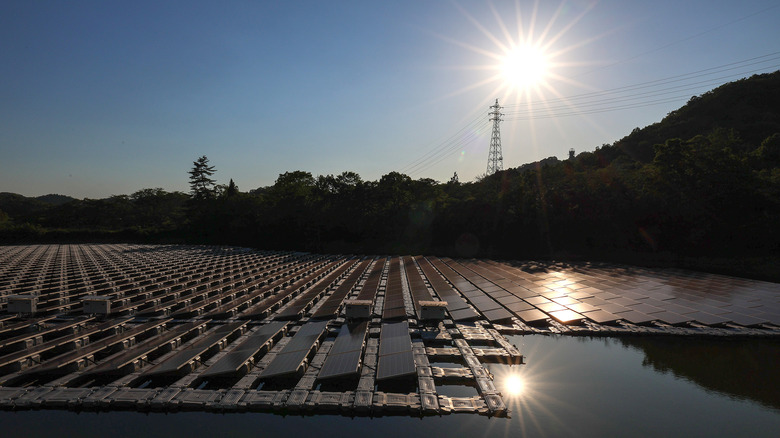
The key limiting factor for solar power is often the surface area required. Solar panels need unobstructed access to sunlight, which means covering quite a bit of ground to produce significant amounts of energy. Rooftops are an option, of course, but usable area on rooftops can be limited, too, and is often a fraction of the surface area you could get on the ground. This is why large-scale solar farm setups often take root in uninhabited areas, where stretches of empty land can be found.
But this makes solar an unreliable energy source for the more developed areas, where land is used for housing, businesses, crops, and other more pressing concerns. So what about the water? Between water treatment plants, irrigation facilities, and natural water bodies like lakes, there is a lot of surface area covered by water, and generally not suitable for any sort of infrastructure. As it turns out, though, those bodies of water are not useless for solar power. We mentioned earlier that modern solar panels have gotten thinner and lighter, which also means that we now have solar panels light enough to be attached to floating platforms.
Such floating photovoltaics can be installed on any sort of water body to take advantage of the large available surface area and produce electricity. There are other advantages as well, such as Australia's floating solar array that's doing a lot more than generating electricity. An added benefit of this setup is that the water acts as a natural coolant, improving the performance and reliability of the panels. These floating powerhouses can also be combined with hydroelectric projects, using the same transmission system.
Microgrids
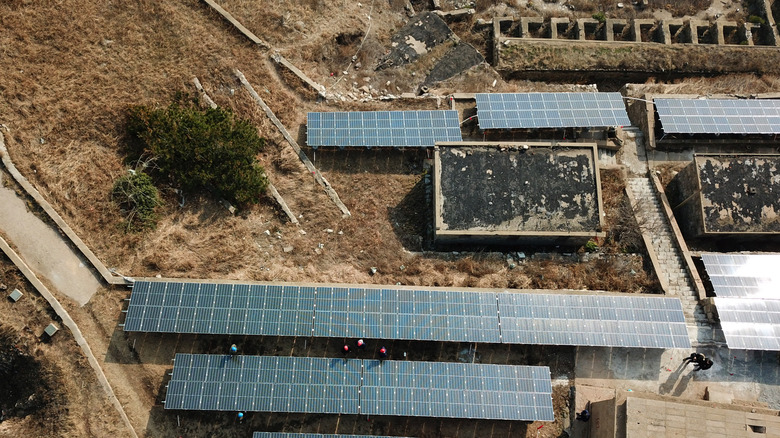
The production and storage of energy is only half the solar-energy story. For solar power to be a reliable source of electricity, the logistics of the sun-driven power supply also need to be worked out. This is not an issue for smaller devices using solar power, as they can be completely reliant on their batteries that charge using solar energy. But for running entire households, relying on solar power alone can be a bit (or a lot) trickier.
This is partly a matter of scale. An individual household won't be able to supply its complete power needs with a few panels on the rooftop. But what if multiple houses were to pool their resources together? That's the idea behind microgrids. Just like the grid supplies the power needs of an entire region, a microgrid supplies power to a dedicated small community, or even a single key piece of community infrastructure, like a hospital or a university.
Basically, a microgrid operates like a fully self-contained power factory, aggregating energy collected by solar panels (and by other sources, like generators) throughout the microgrid service area. The microgrid then distributes and delivers that power when and where it's needed within that same area. And since this microgrid already handles power distribution, it can link directly to the main grid as well, drawing power as needed to make up any shortfall. This creates a more resilient solar power setup that can provide consistent power even through weather issues, while also serving as a backup during main grid power cuts through its own stored solar capacity. Surplus energy can even be sold back to the grid for extra savings.
Smart solar management
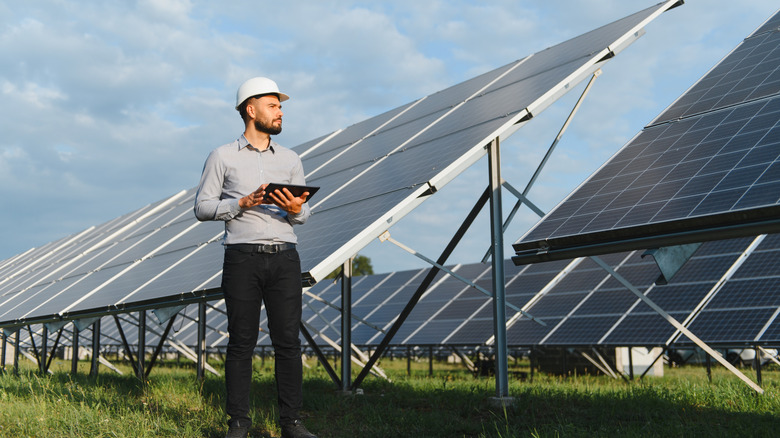
Solar energy may seem like a set-it-and-forget-it situation that has no need to leverage smart technology, but that's not true. There may not be as many moving parts as with hydroelectric or wind power, but there are still a lot of factors that need to be actively managed. The main thing is handling the inverter settings: Solar panels always link to an inverter to convert the power into a smooth supply that can be used or stored in a battery. As the sunlight levels vary, the inverter settings also need to be optimized accordingly, efficiently converting the energy without wastage.
The power output also needs to be adjusted based on the demand-supply situation. If a house also draws power from the main grid, for example, the relative draw from both sources has to be balanced, depending on the load needed. When sunlight is scarce, more power has to be drawn from the grid, and when the grid supply is interrupted, more power must be supplied from the solar setup instead.
And then there is the maintenance. Components fail, and addressing these faults quickly is crucial to proper management of a solar power framework. This brings us to smart solar management. Thanks to AI algorithms and a network of IoT (Internet of Things) sensors, modern solar installations can manage themselves automatically, carrying out all the steps we mentioned above without manual intervention. Smart solar management can even predict failures before they occur, saving time lost due to technical breakdowns and improving the reliability of solar power.
Perovskite
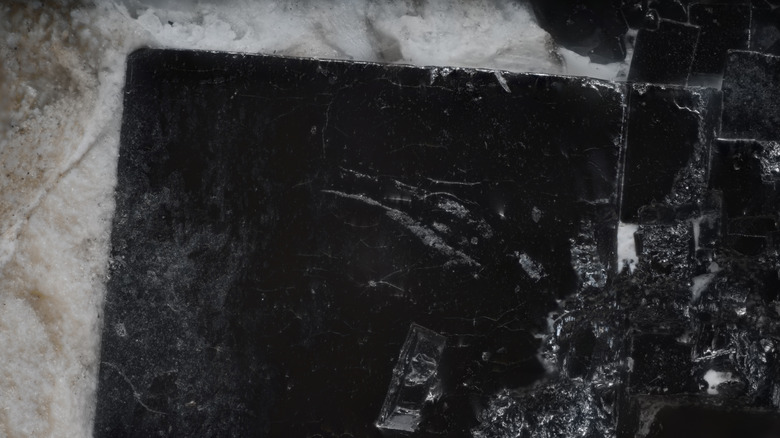
It is a well-known fact that solar panels are made with silicon. The photovoltaic effect (generating voltage in response to light exposure) is a property of semiconductors, and silicon is one of the most stable semiconductor materials, used in LEDs, computer chips, and, of course, solar panels. But it isn't the only one. There are other crystalline materials that can function as semiconductors too, and researchers have been experimenting with them to make better solar panels.
Perovskites have emerged as one of the most promising silicon alternatives. It is a family of composite materials that contain many different elements like lead and tin, which are all cheaper and more abundant than silicon. This makes perovskite-based solar cells more cost-effective to produce. Perovskite cells also absorb a larger fraction of the visible spectrum of light, too, improving their efficiency over silicon. In addition, the structure of the material means that these cells can be much thinner, down to the thickness of a film.
There are problems with perovskites, too, though. One of the most important factors, especially for homeowners, is how long solar panels last with proper maintenance. For perovskites, the answer is not long at all, since they degrade fairly quickly in moisture. Another sticking point is that the material uses lead, which is highly toxic and can have a detrimental impact on the environment and the health of people interacting with it. But research continues, and just like silicon-based panels were improved over the years, perovskite cells will likely be refined until they become a viable alternative, allowing photovoltaics to become cheaper, thinner, and more reliable.
Tandem cells
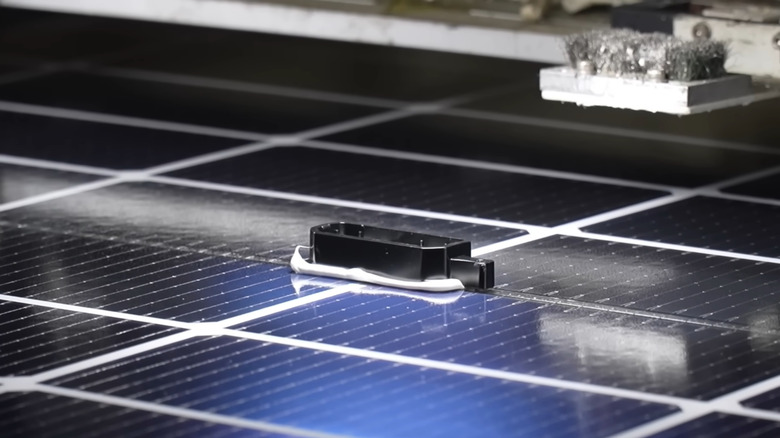
As we discussed earlier, there have been massive improvements in silicon-based solar cell technology. Even so, there are still limits to how useful those cells can be, because silicon can only absorb specific wavelengths of light, and that's not a limit that can be overcome by better engineering. Similarly, perovskite cells offer impressive advantages in the efficiency of solar absorption, but even these only absorb a fixed fraction of the light spectrum. Then there are the durability issues of the material, which can degrade quickly in moisture.
So why not combine the two? It may seem like an impossible idea, but it is a surprisingly practical one. Solar technology has reached a point where thin-film solar cells can now be fabricated, which can even be transparent or semitransparent. This means it is possible to layer different types of solar cells targeting different parts of the spectrum, effectively absorbing more energy without interfering with one another. This also protects the perovskite layer from exposure to air and moisture, reducing the likelihood and speed of degradation.
Such tandem cells push the efficiency of solar power conversion beyond 40%, which is not possible with just one material alone. Furthermore, the overall panel is also cheaper, since it uses perovskite, which is easier to produce. There is even research into incorporating organic compounds into tandem cells, potentially creating a more stable solar power solution that can be fabricated at scale and offer better efficiency.
Battery improvements
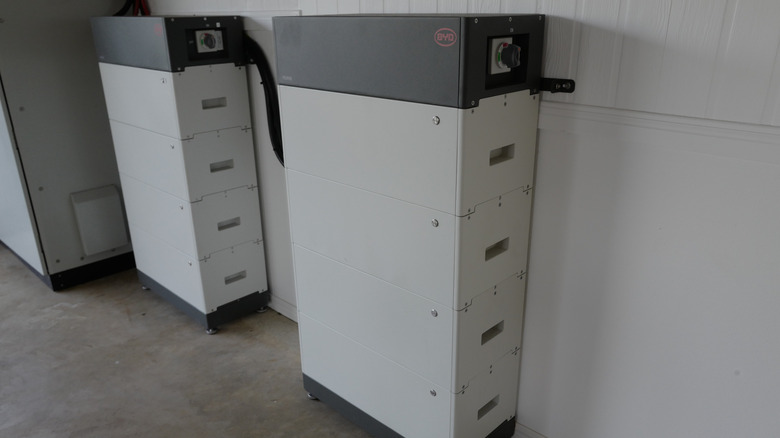
When we think of solar energy improvements, we usually think of the panels themselves, but there is another factor that is equally important when talking about solar reliability: the batteries. Fluctuations in sunlight, for example, mean that the power produced varies, not to mention the fact that the solar cells produce DC current, not the AC used by most household appliances and devices. As a result, a solar power setup always consists of powerful batteries to store the electricity generated and then distribute it as required.
This proves to be a limiting factor for the reliability of solar power, because if the batteries lack the capacity to hold sufficient energy or are prone to failure, the whole technology is rendered undependable. Fortunately, there have been many advancements in battery technology, as well. Older batteries used a lead-acid formulation, which, while cheap, wasn't the most energy-dense or long-lasting solution. Each discharge cycle further reduced the life of a lead-acid battery, making it possible to need a replacement in just three years.
Lithium batteries changed this equation. These batteries are smaller, pack more power for their weight, and can last 10-15 years even with full discharge cycles. This makes solar power a far more reliable source of electricity than in decades past, as large amounts of energy can be stored in lithium batteries and used to power the whole household. Of course, there are still things you should know before installing solar power batteries in your home for the best results.