

5 Things To Stop Doing If You Have A Subwoofer

Anyone into sound should know that a subwoofer is a key component of an audio setup. Not only are they good for delivering floor-rumbling bass, but they also help the rest of the speakers in your system by handling these lower frequencies. Though we can show you plenty of subwoofers that Amazon users swear by, we also know the importance of taking proper care of your audio setup. Keeping this in mind, here are some things you should definitely stop doing if you have a subwoofer.
From determining its proper location to double-checking that it is actually all you need, there are a fair number of other factors users should consider when deciding if they're getting the most out of their low-frequency loudspeaker. This includes paying attention to certain settings on your home audio equipment, though proper maintenance such as cleanings can be important as well. While rock stars may enjoy blowing speakers, you may not feel the same way when it comes to your (likely costly) system.
Bear in mind that not all subwoofers are created equal, as different manufacturers can produce different equipment. While we're providing general advice, be sure to do some research on your specific model for best results. As you think about your subwoofer, remember there are some audio upgrades home theatre enthusiasts recommend to really expand your system. For the time being, let's just focus on what helps put the thump in your audio.
Using the speaker without breaking it in
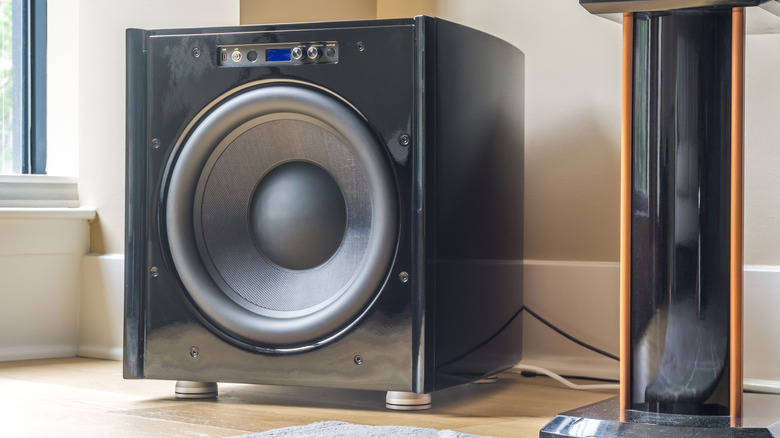
Some subwoofers may need to be properly broken in before you can fully take advantage of their capabilities. This can be especially true for new speakers. Not only does this ensure that the loudspeaker operates optimally, but it also helps bring the device to its full range of motion. The manufacturer of your speaker may have provided you with a break-in track that may help with this process, so be sure to consult any available manuals or check online for specifics.
Start by playing your subwoofer at a low volume, and be sure to try a variety of music with different frequencies and levels of bass (country, hip-hop, classical, etc.) Be sure to check the speaker for any buzzing, distortion, or peculiar noises. Increase the music's volume gradually, starting low and raising it by about 5%, for example. As you raise the volume, be sure to vary the frequency range so that all the parts of the subwoofer are being worked properly. Make sure the speaker is fully ventilated.
Keep in mind that this break-in period may take time. At minimum, you should spend at least six to 12 hours at moderate use before taking the subwoofer to 80% of its full volume. A typical system may take up to 20 hours of normal listening beyond that. Exercising patience during this period ensures components are properly settled. It may also be a good idea to document this process as you go, as this may help diagnose any potential issues down the road.
Keeping the subwoofer in a bad location
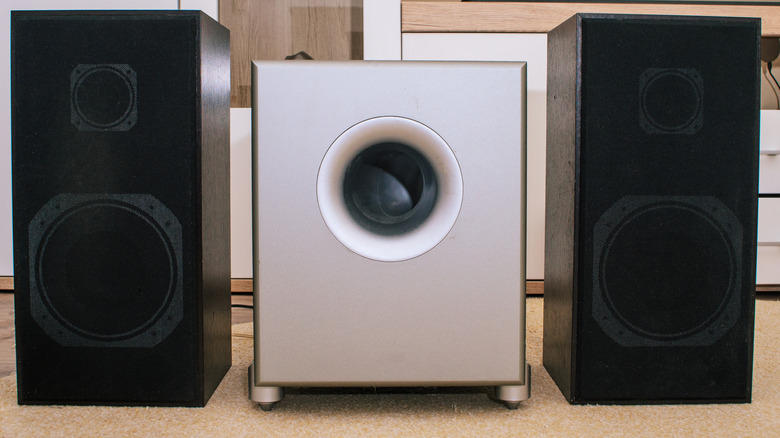
Bad subwoofer placement can be a major reason you're experiencing poor bass sound. Due to the way bass frequencies travel, it's possible for you to hear the bass with ease in one area of a room, yet completely miss it in another area. This is because areas of a room, such as the ceiling or walls, can create peaks and nulls, or reinforced waves that are too loud or boomy and dead zones for sound due to destructive interference, respectively.
One method for correcting this can be the subwoofer crawl. Though a little goofy, place your subwoofer in your primary listening seat and play something with heavy bass (hip-hop is good for this). Then, move around the perimeter of the room on your hands and knees, keeping your ears tuned to areas where a subwoofer may fit. As you move, the best place for the speaker will be the area where the bass sounds best. You can also mark these areas with tape or certain objects for further experimentation with placement.
Bear in mind that objects in the room, such as furniture, can also affect audio acoustics. However, you can also try simply placing the subwoofers at the front corners of your room, as it's often an efficient spot that still produces solid bass. Try to keep the subwoofer at ear height with where people sit. There are also some things you may want to consider avoiding if you have surround sound.
Going with one subwoofer
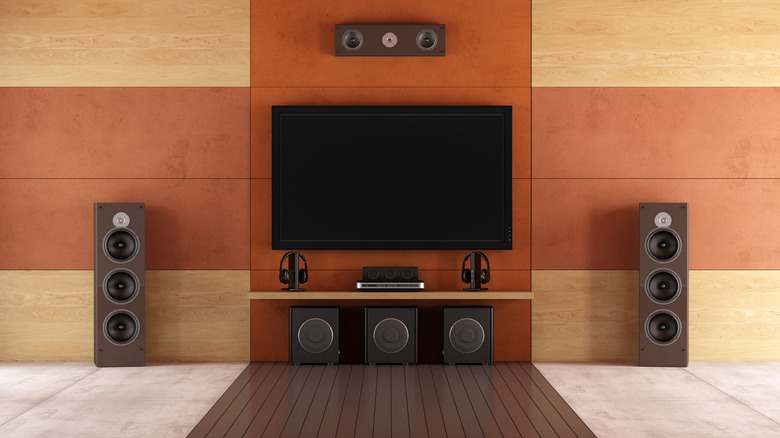
Depending on the size of your room, your subwoofer may be unable to distribute bass evenly throughout the area. Uneven bass can result in some areas of the room hearing and feeling the frequencies just fine, whereas others may suffer from audio dips. Naturally, we can tell you the best subwoofer size for your home audio system, but it may also be time to consider an additional speaker.
Getting a second subwoofer can put less pressure on your first one, as it will no longer need to work as hard for a solid bass response. To get the most out of this solution, you'll need to ensure that your audio receiver has capabilities for multiple bass speakers. If it does, you can either place each subwoofer within opposite corners of an area, or you can keep them near each side of your system. Even if your setup only has one subwoofer output option, you can consider a Y cable for running the same signal to both speakers. Your volume knob can then help adjust the balance.
Having additional speakers can help with bass distribution and can also increase the sound wave density within a larger area. It can also help reduce peaks in the frequency response, though remember that you may need additional calibration tools, such as room correction software. Having an additional subwoofer also allows for more options, so consider a second one if you've got the funds and are really looking to get the most out of your sound.
Giving your subwoofer too much power
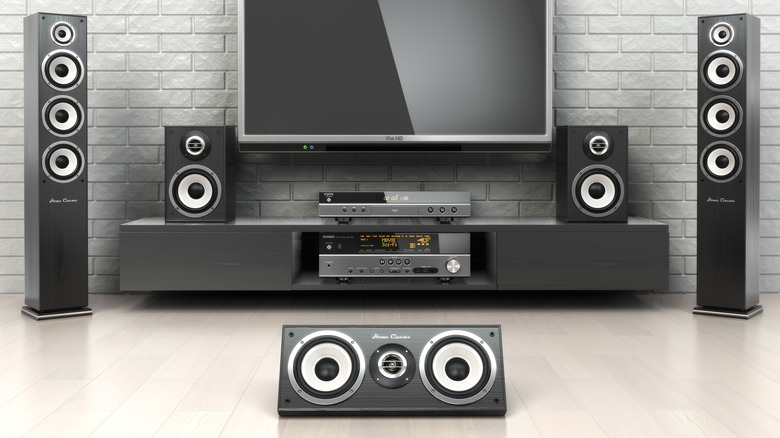
Balancing the gain settings on your system can be incredibly important for your subwoofer. Not only does it ensure you're receiving the proper signal level, but it also helps protect your speaker components. While keeping your gain too low can make things difficult to hear, setting it too high can create audio clipping, something that happens when the signal exceeds what your subwoofer can handle. Clipping can physically damage your speaker, so let's correct this to get the best audio out of your subwoofer.
A great way to avoid clipping or overpowering your subwoofer is by ensuring the gain setting on your amplifier is set properly. One of the best ways to achieve this is by using specific tools, such as a multimeter or an SMD meter. However, you can also use your ears to channel the gain properly. For example, you can use a 0dB test tone (search YouTube for one) and play it at about 75% of your system's volume. Slowly raise your amplifier's gain until distortion is present, then turn the gain down a bit.
If your amplifier or system has them, it's best to avoid any bass boosting features that may be available. While these features may make your system sound louder, they're typically capable of pushing your subwoofer past its intended limits. You may want to do some additional research depending on the exact setup of your audio system, but be sure to approach the gain knob with caution if you want to keep your speakers intact.
Avoiding regular maintenance
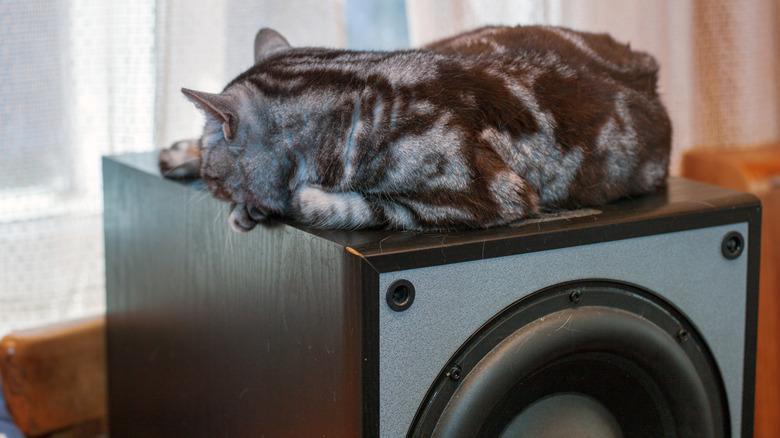
Like any electronic device, proper maintenance will ensure the longevity of your subwoofer. This can be especially true for subwoofers built for audiophiles, as they may contain more sensitive components. Nonetheless, virtually any system will need proper care, and there are several things users can do to achieve this. However, be sure to double-check your owner's manual in case there are any specific instructions for your particular model.
To start, check all your connections and wires, including anything running from the system to the subwoofer. Check that cables aren't corroded or damaged, and also be sure that connections are tight. Double-check manufacturer recommendations if you need cleaning agents, but a contact cleaner should be fine. Additionally, be sure to regularly check the audio settings of your subwoofer, including volume and crossover frequency. While experimentation can be okay, avoid adjusting these settings too high to avoid damage or distortion.
There may also be times when you need to clean the enclosure or even the cone (the membrane of your subwoofer speaker). Avoid liquids for cleaning, but using a dry cloth or a soft brush is okay for removing any buildup. Remember that the device needs to be protected from extreme temperatures, humidity, and even electrical fluctuations (a surge protector can be great). Additionally, listen for distortion or unusual noises in your audio system during playback. Consult your manual if you hear any issues.